Get early access to listings that match your criteria
Never miss an opportunity again. Our personalized alerts notify you instantly.

 English$ USD · m²


A landmark modernist residence, exquisitely reimagined for contemporary living. Tucked discreetly away on the cusp of the iconic Chiswick Mall and moments from the banks of the River Thames, this striking detached five-bedroom home was originally conceived by renowned Hungarian modernist architect Stefan Buzas and has since undergone a meticulous architect-led transformation of exceptional quality. Now presented as a fully integrated smart home, the property seamlessly combines timeless minimalist architecture with refined luxury finishes and cutting-edge technology, creating an expansive and highly versatile living environment. Secure electric gates open onto a private resin-bound driveway providing off-street parking for up to three vehicles, complete with EV-ready wiring. Internally, the house has been comprehensively refurbished back to brick, with new electrics, plumbing and heating throughout, whilst carefully preserving the integrity of its robust concrete frame. Solid polished concrete flooring and underfloor heating extend across the ground floor, where the accommodation has been thoughtfully designed for both sophisticated entertaining and flexible multi-generational living. A superb purpose-built cinema room with Dolby Atmos surround sound also functions as a fully self-contained studio apartment, featuring a bespoke kitchen with integrated wine fridge, en suite shower room and its own private entrance. The true heart of the home lies to the rear, where an extraordinary open-plan living and entertaining space is framed by triple-glazed Hyline sliding doors which disappear seamlessly into pocket walls, effortlessly connecting the interior with the landscaped gardens beyond. The beautifully appointed Pronorm kitchen is centred around solid walnut cabinetry and striking Taj Mahal leathered quartzite worktops, complemented by dual Quooker taps and a full suite of integrated, app-controlled Miele appliances. A concealed utility room provides further practicality, housing Miele laundry appliances alongside an intelligent indoor drying system. Occupying the entirety of the first floor, the principal suite offers a truly exceptional private retreat. Finished in elegant travertine marble, the suite benefits from air conditioning and underfloor heating, together with a bespoke Molteni dressing room and a spa-inspired en suite featuring twin showers and a Japanese smart toilet. A private balcony enjoys charming glimpses towards the Thames. The upper floor provides three further beautifully appointed bedrooms, one with its own en suite shower room, whilst the remaining bedrooms are served by a luxurious family bathroom complete with underfloor heating and an electric skylight. Both rooms enjoy attractive river views. A staircase ascends further to the roof level, accessed via a bespoke three-metre powered skylight. The meticulously landscaped rear garden has been designed as a tranquil extension of the living space, featuring a substantial concrete terrace and a luxury outdoor stainless-steel kitchen with mains gas Wolf and separate Kamado Joe barbecues. Thoughtfully considered year-round planting is enhanced by integrated irrigation, atmospheric lighting and comprehensive external WiFi coverage. To the rear, a bespoke annexe incorporates a fully approved self-contained studio together with a separate gymnasium. Further features of note include wet underfloor heating throughout, app-controlled lighting, electric blinds, integrated misting fire suppression, Cat 6 cabling, full WiFi coverage, alarm and video entry systems. Rarely does a home of such architectural significance and technical sophistication come to the market — a quietly luxurious modernist masterpiece in one of West London’s most sought-after riverside settings.
…By Annonceur International


Architecturally transformed through an award-winning Wood Marsh Architecture extension, this captivating freestanding Edwardian residence delivers substantial family accommodation and visionary style in one of Elwood's most tightly held pockets. One block from the beach and moments from a morning latte at Jerry's Milk Bar, a dramatic double-height wall of glass transforms the rear of the home, drawing natural light deep into the interiors while creating a spectacular backdrop for entertaining. Original Baltic pine floors and magnificent pressed metal ceilings introduce the traditional front rooms before giving way to an extraordinary rear addition, where spotted gum flooring continues beneath a soaring wall of leaning glass. A gas fireplace adds warmth to the expansive family living and dining area, while the contemporary kitchen is centred on an oversized island, complemented by a walk-in pantry and fitted with premium Miele appliances, including dual pyrolytic ovens, 900mm cooking appliances, and an integrated dishwasher, creating an exceptional space for passionate home cooks. Entertaining extends to the seamless decked courtyard beneath a retractable awning with a mains gas connection for the barbecue, while a separate living room with an original fireplace and adjoining alcove provides an inviting children's TV/living or study space. A front home office with a leadlight box bay window and a pressed-metal ceiling offers excellent flexibility, while a graceful, curved staircase at the rear rises to four further bedrooms. The impressive main bedroom enjoys a fitted walk-in robe and a striking ensuite, one of two recently renovated bathrooms, alongside a central family bathroom with a skylight and deep bath. Appointed with a huge family-sized laundry featuring full-height storage, extensive linen storage throughout, hydronic heating, reverse-cycle heating and cooling, garden irrigation, solar power, remote blinds, landscaped front gardens and secure off-street parking behind a motorised gate, this exceptional home is completed by a coveted Elwood address, moments from the 96 tram, Elwood Village, leading schools and the waterfront walking trails of Ormond Point.
…By Annonceur International


Independent Villa for Sale on Rua dos Lírios Herdade da Aroeira, Aroeira, Charneca da Caparica and Sobreda Sold fully equipped, with the option to purchase the furniture 563 m² gross area | 5 bedrooms | Garage The villa has recently undergone a complete renovation, featuring an interior design project by Atelier Vilaça Interiores. It is being sold fully equipped, with the option to purchase the furniture, including exclusive designer pieces, some by the renowned Italian designer Minotti, carefully selected to complement the sophisticated concept and overall aesthetic of the home. Featuring contemporary architecture, this villa is located in Herdade da Aroeira, one of the most prestigious private residential developments in the Lisbon region, offering a unique combination of nature, security and leisure. Spread over four levels, the villa offers generous living spaces, ideal for those seeking an exceptional quality of life just a few minutes from Lisbon and the beaches of Costa da Caparica. Living Room Located on the ground floor, the living room benefits from exceptional natural light and views over the golf course, swimming pool and garden. The approximately 7-metre-wide bi-folding window system allows the living room to open completely onto the outdoor area, creating a seamless connection between the interior and exterior spaces. Kitchen Fully equipped kitchen with high-end Bosch appliances, including: Integrated refrigerator; Two ovens; Microwave; Dishwasher; Ceramic hob; Integrated extractor hood.Office The office features an impressive 4.27-metre ceiling height, large floor-to-ceiling French doors and extensive views over the garden and swimming pool. Suite The intermediate floor features a spacious and bright 36 m² suite, complemented by a private terrace. Master Suite An entire floor is dedicated to the Master Suite, with approximately 48 m², designed as a true private retreat. The suite offers views over the garden, golf course and lake, creating a unique setting throughout the day. It features: 25 m² private terrace; West-facing balcony; Walk-in closet; Bathroom; Bathtub strategically positioned to create a relaxing atmosphere while enjoying privileged views over the surrounding landscape; Spacious walk-in shower.Basement The basement level has been designed as an entertainment and leisure area, featuring: Games Room Spacious games room with a snooker table and direct access to the garden. Home Cinema Fully equipped home cinema featuring: Optoma 4K projector; Lumene 4K/8K screen; DALI speaker system.Bathroom Bathroom with walk-in shower. Independent Bedroom Bedroom with access to a terrace and a fully equipped kitchenette, ideal for guests. Suite Suite with a bathroom featuring a walk-in shower and direct access to the garden. Garage Enclosed garage with capacity for two vehicles. Laundry Room Functional and fully equipped laundry area. Exterior The outdoor area features a heated swimming pool, equipped with a heat pump and thermal and electric pool cover, as well as carefully selected outdoor furniture designed to provide comfort and elegance in the poolside leisure areas and outdoor dining spaces. The garden features a large lawn area with an automatic irrigation system. Poolside bathroom; Plant room; Paved parking area; Electric gates at the entrance and garage; Video surveillance system.Technology, Efficiency and Comfort The villa has been equipped with high-quality technological and technical solutions, including: KNX smart home system, allowing various functions throughout the house to be controlled via smartphone; Viessmann hydraulic underfloor heating; Full Wi-Fi coverage across all floors and the pool area; Kömmerling PVC window frames with solar-control double glazing; Built-in linen curtains in the bedrooms, living room, office, kitchen and games room; Private water borehole with its own pumping system.Key Features 1,715 m² plot 563 m² gross built area / 370 m² usable area Detached villa 5 bedrooms 7 bathrooms Garage Resale property / fully renovated Year of construction: 2010 Energy Rating: E
…By Annonceur International


Privately positioned at the end of a peaceful cul-de-sac, this architecturally designed three-level residence combines house-like proportions, exceptional privacy and effortless low-maintenance living with a rare heated pool and secure double garage in the heart of South Yarra.Set well back from the street and extending across approximately 186sqm internally, the home is distinguished by its northern light, secluded north-facing pool, internally accessed double garage and highly flexible lower-level retreat.A wide entrance hall introduces an expansive open-plan living and dining domain, where high ceilings, rich timber flooring and full-height glazing create an immediate sense of space. The beautifully appointed kitchen features Calacatta marble surfaces, premium Miele appliances and an integrated Liebherr refrigerator and freezer.Full-height glass sliders extend the living area to a secluded north-facing bluestone courtyard surrounded by established greenery. Complete with a heated pool, water feature and broad sun awning, it provides a tranquil setting for year-round entertaining, relaxation and outdoor dining.Upstairs, the generous main bedroom includes walk-through robes and a luxurious ensuite with freestanding bath. Two additional double bedrooms with built-in robes share a stylish central bathroom.The lower level provides exceptional flexibility as a media retreat, study, executive home office, gym or occasional guest area, with distinctive porthole windows offering views into the pool and an adjoining powder room. A European laundry, extensive storage, alarm, video intercom and ducted heating and cooling further enhance the home's practical appeal.Quietly secluded yet within walking distance of Prahran Market, Fawkner Park, South Yarra Station, trams and the cafés, restaurants and boutiques of Commercial Road, Toorak Road and Chapel Street, this is a rare opportunity to enjoy secluded poolside living with the space, flexibility and security of a substantial townhouse in the heart of South Yarra.
…By Annonceur International


A modern canal-front residence in the historic Venice Canals, offering a rare combination of architectural detail and indoor-outdoor living. This 3-bedroom, 3-bathroom home is move-in ready, with a main level designed for openness and connection to its waterfront setting. The kitchen, dining, and living areas are arranged in a continuous layout, filled with natural light and oriented toward the water. Expansive glass doors open from the living area to a canal-facing patio, extending the living space outdoors. Upstairs, a glass-enclosed walkway spans the upper level - an architectural focal point with an arched glass ceiling and floor-to-ceiling windows that allow light to travel through the center of the home. The primary suite faces the canal and features a walk-in closet, en-suite bathroom, and a large balcony showcasing water views from the bedroom. Two additional bedrooms are positioned along the upper level, providing separation from the main living areas below. A two-car garage offers off-street parking, an added convenience in this location. Carroll Canal is situated approximately 0.3 miles from the beach and within close proximity to Abbot Kinney Blvd, the Venice Beach Boardwalk, and all of the dining and retail options along Lincoln Blvd, Rose Ave and the Marina.
…By Annonceur International


Unprecedented in quality and bold in vision, Bridges is a market-defining St. George estate that rises to a category of its own. Set across 2 natural ravines on 2.47 private acres within Entrada at Snow Canyon -- St. George's most exclusive guard-gated enclave -- this 16,302-SF, 2-level architectural retreat encompasses 5 bedrooms and 9 baths, with walls of windows and light-filled hallways capturing unobstructed views of Snow Canyon, Red Mountain, and every day's sunrise and sunset. The estate's unrivaled location is immediately adjacent to the iconic Black Desert Resort, home to one of Utah's top-rated golf courses and host of the PGA Tour's Black Desert Championship. Snow Canyon State Park, The Tuacahn Center for the Arts, and Red Mountain trails are all minutes away, while Downtown St. George's restaurants and shops are just 15 minutes from home. Inside, the chef's kitchen is engineered for large-scale entertaining, complete with 3 Sub-Zero refrigerators/freezers, 2 Sub-Zero wine coolers, 5 Wolf ovens, a Wolf range and grill, a Miele coffee system, dual dishwashers, and a spacious walk-in pantry. The private primary suite includes dual primary closets, dual primary water closets, and fireplace, while expansive ensuite bedrooms make the home ideal for multi-generational living. An extra-large Savaria elevator connects both levels. Entertainment and wellness amenities include a 3-tiered private theater with a 143-inch screen, 68 in-wall speakers and 13 subwoofers throughout the home, caf and game room, and commercial-grade gym with steam room. Outside, a resort-style pool, covered cabana, built-in BBQ, and putting green overlook dramatic lava rock terrain and native desert plantings. This estate's infrastructure is equally extraordinary, with closed-cell foam insulation, full Control4 automation, Lutron shades, 108 solar panels, a 48kW whole-home generator, heated floors, and 24/7 security. Bridges is, simply put, St. George's new benchmark for refined, future-proof design.
…By Annonceur International


A refined architectural residence in La Jolla Shores just moments from beach access and capturing breathtaking panoramic ocean views. Featured in San Diego Home & Garden and built by Hill Construction, the home pairs strong design with thoughtful, highly functional living. The main level offers true single-level convenience, with living, dining, family room, kitchen, office, and primary suite all seamlessly connected. Thirteen sets of solid mahogany French doors open to both an expansive ocean-view deck and a protected interior courtyard, creating exceptional indoor-outdoor flow. Galala limestone flooring extends throughout the main level, courtyard, and pool deck, complemented by custom cabinetry with book-matched fumed eucalyptus, black granite countertops in the kitchen, and Navona travertine in the primary bath. The lower level provides four private bedroom suites, each with its own bath, along with a spacious common room and access to a patio with hot tub - ideal for guests or multigenerational living. A vanishing-edge pool with resistance jets by Mission Pools anchors the backyard, while fenced yard spaces, a dog run with direct access, four private parking spaces, and a generous two-car garage complete this thoughtfully executed coastal retreat.
…By Annonceur International


Perched above the rainforest canopy in the exclusive enclave of Costa Verde Estates, this five-bedroom estate captures the essence of modern tropical living. With over 7,500 square feet of living space, sweeping ocean and jungle views, and a bold architectural style, this is a refined retreat in the heart of Costa Rica’s southern Pacific coast.The home’s brutalist-inspired design fuses concrete walls, exposed steel beams, and warm custom wood detailing for a look that’s both commanding and elegant. Expansive interiors flow seamlessly onto oceanview terraces, where outdoor living is elevated by a built-in kitchen, barbecue, and a gas fireplace for cooler mountain evenings.The main residence includes three bedroom suites, each with ocean views, private terraces, and spa-like baths—one featuring a deep soaking tub. A detached one-bedroom guest house offers full independence with its own kitchen, living areas, and laundry. Below the main home, a separate guest suite enjoys its own dipping pool fed by the infinity-edge cascade above, completing a layout ideal for hosting up to 14 guests in comfort and privacy.Set on three titled acres, the grounds offer both curated elegance and wild beauty. A secondary building site with its own driveway adds future potential, while a private path leads to a natural creek and twin waterfalls—one 15 feet, the other 40—creating a peaceful space for cold spring dips or quiet reflection.Additional features include a private gated entry, carport with designer tile, two gas fireplaces, a PEX water system, and a temperature-controlled wine cellar. The full furniture package is included.Costa Verde Estates offers a secure, private mountain setting with a fitness center, tennis and pickleball court, helipad, and panoramic ocean-view gathering areas. Just minutes from boutique dining, spa services, and coffee, and within easy reach of Dominical, Uvita, and the region’s famed beaches and waterfalls, this location blends luxury with connection to Costa Rica’s southern zone lifestyle.
…By Annonceur International


An experimental achievement at the gates of Paris Located in Bois-Colombes, this family house was designed in 2011 by architect Jacques Moussafir, in collaboration with Gilles Poirée. It stands out for its unique geometry and outdoor spaces. The house offers 211 m² of living space (229 m² of total space) spread over three levels, organized around a custom-made wooden staircase and widely opened onto terraces and a landscaped garden. The ground floor features a spacious kitchen equipped with 30 m², which includes a dining area, extended by a first terrace outside. On a half-level, the garden-level comprises two calm and bright bedrooms open onto the west-facing wooded garden. They share a bathroom adorned with yellow mosaics, featuring a bathtub and double sink, a large dressing room, and independent toilets. Facing East-West and traversing, the first floor offers a bright living room of 44 m² with double height. The interior layout combining 'pop' decoration, exposed concrete walls, and white ceiling is elevated by a Focus fireplace, whose contemporary lines perfectly complement the space. The last level is reserved for a spacious master suite of 30 m². It enjoys a shower room dressed in glossy black mosaic and an adjoining office. The house has a laundry room and a boiler room in the basement, as well as a second terrace and a landscaped garden. Located in Bois-Colombes, near Asnières-sur-Seine, the property enjoys a calm and residential environment at the gates of Paris. It benefits from all amenities: local shops, markets, schools, leisure activities, restaurants, and transportation. The RER line J connects to Gare Saint-Lazare in about twenty minutes.This description has been automatically translated from French.
…By Architecture De Collection

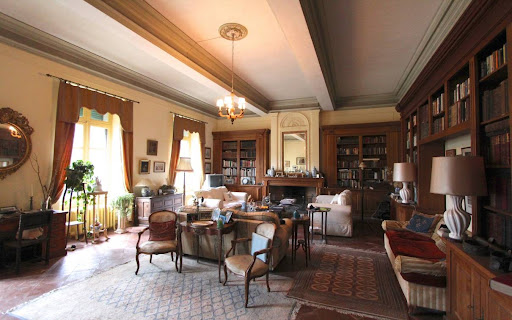


Carcassonne area 16th Century Château on 5.7 ha of park, 3 separate apartments and large outbuildings, large bright rooms with high ceilings, needs work, peaceful countryside location yet not far of from a lively town, ideal as a luxurious home or hotel project for high end market This 5.7 ha property is situated in the Carcassonne area, Languedoc Roussillon, Occitanie, South of France. The main building, to former times a very luxury Château, stretches over 3 floors with more than 400m² per floor. At present there are 8 bedrooms with possibility to add many more, for example on the second floor which is totally empty, just a huge space. There are 3 separate flats, an orangery, half a dozen outbuildings used as garages, workshops and storage. All of these buildings are in the form of a typical English street leading up to the château. This estate is ideal as a luxury private home or a commercial venture like B&B, Gîtes or a Hotel. The property was built in 1600 at a strategic place. In 1710 the owner employed an Italian architect to transform the building into an Italian Palace, which shape remains today. There are many types of old trees, Palm and Mediterranean plants around the Park. Exceptional property that will definitely catch your eye! Description of the property The main building offers 840m2 of living space at present, 3 separate accommodations, an orangery and half a dozen outbuildings. Main House, living space 840m2, 3 floors Ground floor: Entrance hall 98m2, fully fitted kitchen 42m2, dining room 66m2, sitting room 73m2, office, back kitchen, a magnificent staircase, WC. 1st floor: 8 Bedrooms between 20 and 30m2, 5 Bathrooms, 5 WC's, corridor, billiard room 98m2, staircase, library. 2nd floor: An open space of 400m2 to be converted. The fuel central heating system is recent nevertheless they owner went to the extra mile to install cast iron radiators. Outbuildings There are rows of outbuildings to the left of the main entrance to the estate that need restoration if necessary. Two extra dwellings, an orangery/Accommodation, 6 Garages, Workshop, Storage. Pool 10m x 5m with summer cover. Grounds 5.7 Ha of grounds around the buildings. The park includes various types of old trees, palms, Mediterranean plants and a nice green lawn going down towards the water. Comment A stunning large Domaine with a warm feeling, in a wonderful area and a historical past, unique situation, quiet area with only a short drive to the nearest town with all amenities plus airport, train, motorway. Great as a luxury family residence or for commercial activities. Work to be foreseen.
…By Ab Real Estate


Some houses are meant to be visited. Others are to be felt. This one, discreetly set in the heart of a wooded enclave in Kerbader, belongs to the second category. A Bretons house from 1885, completely reimagined by an architect in 2010, it offers 140 m² of character and light. The old stones converse here with a demanding contemporary renovation. Nothing has been left to chance. Everything has been designed for a profound sense of well-being. The large 35 m² living room welcomes warmly. The insert fireplace, customized storage, the 20 m² Roche Bobois kitchen extended by a bright and heated veranda (2021): everything invites you to slow down, to share, to live. On the ground floor, the space unfolds intelligently: a back kitchen, an artist's studio convertible into a ground-floor bedroom, a pantry, a dressing room, and a shower for returning from the beach. Upstairs, a light-filled office mezzanine precedes two spacious bedrooms with custom storage. Outdoors, the deep garden, planted with fruit trees, offers a tiled terrace shielded from view. A true haven of peace, with secure parking and meticulous finishes. And the sea? It's 1.4 km away. The Cleut Rouz beach can be reached in 20 minutes on foot or in 7 to 8 minutes by bike. Close enough to become a habit, far enough to preserve tranquility. Classified D, the house benefits from 4.5 kW photovoltaic panels (self-consumption + resale), optimized insulation, and efficient heating. A rare balance between authenticity, comfort, and performance. If you wish to discover what the photos cannot convey, contact us. We will arrange a discreet and personalized visit. 02 98 51 00 00 espaceimmobilier-29sud.com [email protected] description has been automatically translated from French.
…By Espace Immobilier


Located within walking distance of King Albert Park, this renovated character property combines the authentic cachet of an early 20th-century town house with subtle yet distinct contemporary class and comfort. Designed in 1909 by architect Adolphe Van Coppernolle in an eclectic style with neoclassical influences, the property has been completely renovated with great respect for its original grandeur, seamlessly combining historical details and modern finishes. Upon entering the entrance hall, you turn right to the man cave, which can also serve as a practice room. The staircase leads to the bright living room with dining room and open kitchen, which offer direct access to the terrace and private garden. On the mezzanine floor, there is a spacious shower room. The first floor comprises two bedrooms, one of which opens onto a spacious terrace, while the second floor is entirely dedicated to the master suite with en-suite bathroom and dressing room. The attic floor offers a multipurpose space with the possibility of an additional bedroom and bathroom. Additional features: Authentic elements, high-quality materials, ventilation D with heat recovery, 16 solar panels, EPC A. Very central and quiet location, close to the centre, roads to the motorway and public transport. For more information and a viewing, please contact Kristof Goossens – [email protected] of +32 495 65 50 50
…By Belgium Sotheby’s International Realty


GRIGNAN MAS WITH CASTLE VIEW 4,000 SQM PARK HEATED POOL Just a two-minute walk from the historic center of Grignan, this reimagined mas offers over 450 sqm of living space within a landscaped, fully enclosed 4,000 sqm park, boasting direct and unobstructed views of the Castle. The main residence features light-filled reception areas, a fully equipped kitchen with a scullery, cold room, and wine cellar, as well as a ground-floor suite and a remarkable upper-level suite. Two independent living spaces complete the estate: a guest apartment with a suite and additional space to customize, alongside a single-story pavilion comprising a living room, kitchen, two bedrooms, and a shower room. Outside, the property unfolds around a pristine natural setting, featuring a 15 x 5 m heated pool with an underwater automatic cover, multiple outdoor dining areas, and private parking. Thoughtfully integrated amenities: air conditioning in the bedrooms, automatic irrigation, and a preserved environment. A distinct property within walking distance of the village, located in one of Grignan's most sought-after areas.
…By Sterns Immobilier


Iconic Architecture. Enduring Design. Canyon View Estates. Set within coveted Canyon View Estates at Ironwood Country Club, 73497 Mariposa Drive is a distinctive residence designed by accomplished architect David Prest, whose work has contributed to the architectural character of Ironwood. Strength and confidence define the architecture. Bold lines, dramatic scale, soaring ceilings and substantial proportions create a commanding presence, while expansive glass and seamless connections to the outdoors bring warmth, natural light and the surrounding desert landscape into the home. Beyond the substantial Teak wood entry door's, the dramatic living room immediately establishes the home's architectural significance. Ceilings approaching 20 feet create extraordinary volume, while strong structural forms, carefully considered sightlines and curated art lend a sophisticated, gallery-like quality. Positioned on an exceptionally generous corner lot and enveloped by mature landscaping, the residence offers remarkable privacy. A wraparound garden and multiple patios extend the living spaces outdoors, with nearly every room enjoying a connection to the landscape and Southern mountain views. A private spa provides a secluded retreat, while the community pool is just steps away through the property's rear gate. The primary suite balances scale with intimacy, featuring its own fireplace, outdoor access and lovely Southern views. Substantially reimagined less than ten years ago, the residence reflects an emphasis on design, craftsmanship and sophisticated desert living. The interiors have been thoughtfully composed to complement the architecture, creating a home that feels distinctive yet timeless. Strong in form, sophisticated in execution and remarkably private, 73497 Mariposa Drive presents a rare opportunity to own a David Prest-designed residence within one of Ironwood Country Club's most desirable enclaves. Canyon View Estates
…By Annonceur International


Nestled in a serene yet highly sought-after neighborhood just moments from Venice Beach, 1390 Morningside Way is an architectural masterpiece that redefines modern living. This expansive contemporary home spans over 3,152 square feet, offering 4 spacious bedrooms and 5 luxurious bathrooms, all thoughtfully designed to provide the ultimate in comfort and style. With over 1,500 square feet of outdoor decks, including a breathtaking two-story rooftop terrace, this residence is built for California living offering ample space for both relaxation and entertaining. Inside, the open-concept layout seamlessly connects the living, dining, and kitchen areas, with soaring ceilings, sleek finishes, and oversized windows that flood the space with natural light. The kitchen is a striking focal point, featuring custom cabinetry, high-end appliances, and a large island that serves as both a culinary centerpiece and an inviting spot for casual dining. The Control4 smart home system enhances the living experience, allowing you to effortlessly control lighting, climate, and security with the touch of a button. Every detail of this home has been meticulously crafted to offer both luxury and convenience. Step outside into your own private retreat, where a beautifully landscaped garden, sparkling pool, and relaxing spa await. Perfect for enjoying California's renowned outdoor lifestyle. The two-story rooftop terrace provides sweeping panoramic views, creating an unparalleled space for dining, lounging, or simply taking in the scenery. Just minutes from Venice Beach, the iconic Venice Canals, and the vibrant dining and shopping scene, this home offers the perfect blend of tranquility and accessibility. Enjoy the quiet charm of Morningside Way, while being moments away from everything that makes Venice one of LA's most desirable neighborhoods.
…By Annonceur International


4-Bedroom House in part of the Bom Sucesso Resort Condominium - Óbidos.Designed by the prestigious architect Eduardo Souto de Moura, this house stands out for its timeless architecture and a simple, functional, and carefully thought-out layout, which provides an extraordinary feeling of comfort, tranquility, and harmony.With 4 bedrooms, 2 of which are suites with walk-in closets, and 4 bathrooms, the house offers privacy and convenience for the whole family.The equipped kitchen, with pantry and laundry room, meets the needs of everyday life, while the living room with a fireplace invites moments of conviviality and relaxation.On the rooftop, the experience is elevated even further, with a private pool offering panoramic views, the perfect setting to relax, enjoy the sun, and contemplate the landscape.The proximity to beaches and golf courses adds to this property the privilege of living in an environment where leisure, nature, and quality of life are part of daily life.Bom Sucesso Resort, classified as a 5-star tourist village, has private security and is equipped with several exclusive services and equipment: golf, tennis and padel courts with gym, football field, shopping area, restaurant, bar and children's playground .Close to beaches, Óbidos Lagoon and the medieval village of Óbidos.*The information provided is for informational purposes only, non-binding, and does not require consultation with the mediator.* Energy Rating: C ref:150260219
…By Annonceur International


Introducing PICEA, a groundbreaking new community of 52 luxury residences in the heart of downtown Boulder, where a genuine neighborhood setting meets innovative architecture, exceptional design and sweeping views of the Flatirons. Developed by Trailbreak Partners and Pace Development, with architecture by Boulder-based, award-winning Coburn Architecture and interiors by Unscripted, PICEA is a deep-rooted local development created with an understanding of how Boulder lives. Ten distinctive buildings create a cohesive community of contemporary residences, thoughtfully designed for quintessential Boulder living. Just blocks from Pearl Street, Boulder Creek, CU Boulder, Whole Foods and the city's extensive network of bike paths, PICEA places restaurants, shops, trails and everyday conveniences within easy reach. The experience at PICEA culminates on the private rooftop deck, where generous, private outdoor living spaces, solar-shaded pergolas and optional outdoor kitchens create a true fourth-floor retreat. This combination of community, location, and design creates a truly unique opportunity.
…By Annonceur International


Experience a new level of lakeside living in the exclusive neighborhood of Fox Hollow. Fox Hollow is known for its quiet natural beauty and relaxed lakeside lifestyle. This architectural custom waterfront retreat built by The Renfrow Dunaway Group is designed for those seeking a refined everyday lifestyle centered around privacy, luxury, and life on the water. This newly constructed contemporary residence offers three levels of elevated living with panoramic water views from every floor. Inside, dramatic floating stairs create a stunning architectural focal point, setting the tone for the home's modern design and clean, sophisticated aesthetic. Expansive walls of glass blur the line between indoors and outdoors, filling the home with natural light and showcasing the tranquil waterfront setting. The chef-inspired modern kitchen features custom cabinetry, oversized island, premium finishes with a seamless flow for entertaining or quiet evenings at home. Three spacious bedrooms with the flexibility for a fourth. Perfect for the buyer seeking tranquility or the boating enthusiast wanting quick access to The Dallas Corinthian Yacht Club. Enjoy lake living at its finest without sacrificing the proximity to the North Dallas Metroplex, providing easy access to upscale dining, entertaining, major shopping, and business corridors. Open Houses Sunday May 24th from 1-4.
…By Annonceur International


An extremely rare opportunity to acquire this exquisite country home designed by the renowned architect Ben Pentreath and set within 2 acres of stunning gardens and grounds with exclusive views of Warwick Castle. With luxurious finishes throughout this stunning property also boasts a separate one-bedroom annexe, riverside frontage and your own private island on the River Avon. Ground Floor The grand entrance hallway offers a glimpse of the space and grandeur offered within this impressive residence and draws you into the spectacular open-plan kitchen, breakfast and family room to the rear of the house. This impressive space is flooded with light from a large roof lantern and five sets of French doors which open onto the terrace and provide exclusive views over the river to the castle. The stunning kitchen features a large central island, double Belfast sink, Range cooker and is well stocked with all the appliances that you would expect from a modern family home. Boasting a large dining space, separate pantry and a wine store/bar this is an ideal space for entertaining or enjoying a relaxing meal with family and friends. To the right of the kitchen, is a warm and cosy snug which would also make a fantastic home office with views out to the castle. To the left of the kitchen is the formal dining room providing a light and spacious room for more formal entertaining. The dining room flows into the drawing room, this opulent space with open fire and large sash windows overlooking the castle parkland is ideal for hosting guests or unwinding in style. The ground floor also benefits from a large boot room two WC’s and a large fully-fitted utility room. First Floor A spacious landing on the first floor gives access to the magnificent principal suite featuring a spacious double bedroom, 'his and hers' dressing rooms with a total of 11 built in wardrobes and an impressive en-suite with large walk-in shower and a separate freestanding roll top bath. The right wing of the first floor consists of a good-sized double bedroom with an en-suite which leads through to two further rooms which have the potential to make a fantastic guest suite or suite with dressing room and sitting room. Second Floor The second floor gives access to three further double bedrooms two with en-suites and a family bathroom. The first double bedroom is serviced by the spacious family bathroom, which has a beautiful boutique hotel feel with its wooden panelling and claw foot, roll top bath with shower over. To the left of the family bathroom is a suite consisting of a generous sized double bedroom with dual aspect windows, a spacious walk-in wardrobe which is flooded with natural light, and a beautiful en-suite with large walk-in shower. A further good-sized double bedroom at the front of the property also benefits from dual aspect windows and has an en-suite with walk-in shower. Annexe Located above the double garage through a separate entrance is a fantastic one-bedroom apartment. Featuring vaulted ceilings, skylight windows and exposed beams this space has been finished to a high standard and is thoughtfully laid out with a large sitting room, kitchen area, double bedroom and en-suite shower room. Outside Set within approximately two acres of gardens and grounds, with extensive riverside frontage and ownership extending into part of the River Avon, Castle Reach enjoys an exceptional outlook towards Warwick Castle and its historic parkland. The view takes in the magnificent interplay between the castle's medieval architecture and the naturalistic open landscape of Castle Park - the remarkably intact Arcadian setting developed by the first and second Earls of Warwick over some 60 years and considered to be Lancelot 'Capability' Brown's first major commission. Surrounded by mature trees, the formal gardens provide a wonderfully private and peaceful retreat, centred around a substantial lawn that is ideal for garden parties and a broad terrace wrapping around the house for outdoor dining and entertaining against the spectacular, uninterrupted castle backdrop. A stone bridge leads to a private island on the River Avon, where woodland planting and a large, decked terrace with a covered outdoor kitchen and bar create an extraordinary waterside entertaining space, perfectly positioned to enjoy sunsets across the river towards the castle. To the front, electric sliding gates open onto an expansive block-paved driveway and double garage, providing ample parking for several vehicles. A gravel drive continues behind the garage to the annexe above, with a further gated entrance serving the rear of the grounds. Location Castle Reach occupies an exceptional riverside position opposite Warwick Castle and its celebrated parkland, while remaining within walking distance of Warwick town centre and its independent shops, restaurants, cafes, attractions and everyday amenities. Royal Leamington Spa and Stratford-upon-Avon are within easy reach, offering an internationally renowned choice of theatre, culture, restaurants and independent shopping. Warwick Tennis and Boat Club is also close by on Mill Street. Set beside the River Avon beneath the castle, this long-established members' club offers tennis, rowing, squash, bowls and social facilities in a wonderfully picturesque setting. For families, proximity to Warwick Schools Foundation is a particular advantage. Its historic Myton Road campus, home to Warwick Preparatory School, Warwick Junior School, King's High School and Warwick School, is within walking distance, alongside a strong choice of well-regarded state schools in Warwick and neighbouring Leamington Spa and Stratford. The University of Warwick is also within easy reach. Commuting links are excellent with Warwick railway station accessible on foot, while Warwick Parkway and Leamington Spa offer further direct services to Birmingham and London Marylebone. The M40 and wider Midlands motorway network are readily accessible, with Birmingham Airport and the NEC typically around 30 minutes away by car, subject to traffic. Best known for its world-famous castle, Warwick combines more than nine centuries of history with the convenience of a thriving modern market town. Freehold | Council Tax Band H | EPC Rating C Services, Utilities & Property Information Tenure: Freehold Council Tax Band H - Warwick District Council Property Construction: Standard – brick & tile Electricity Supply: Mains Water Supply: Mains Drainage & Sewerage: Mains Heating: Mains Broadband: FTTC Broadband connection available - we advise you to check with your provider. Mobile Signal/Coverage: 4G and 5G mobile signal is available in the area - we advise you to check with your provider. Parking: Double garage and driveway parking for approximately 8+ cars. Total Internal Floor Area: 6,544 sq. ft (7,064 sq. ft with garage). Notes: The property is situated in Warwick Conservation Area. The property may benefit from and may be subject to various rights, easements, and restrictive covenants. It may also be subject to rights of access for the maintenance of services, include shared/party structures with adjoining land, and contains a watercourse which may be subject to certain rights. Please speak with the agent for more information. Directions - Postcode: CV34 6PB / what3words: ///bridge.tent.aura
…By Annonceur International


Rare opportunity on one of Dupont Circle's most iconic blocks. Designed in 1885 by renowned architect Thomas Franklin Schneider, this stately Victorian brownstone offers 4,000sf (per floor plan) across four levels in the heart of the Dupont Circle Historic District, just two blocks from Metro, restaurants, shops, and parks. Historic charm meets modern comfort with hardwood floors, 9'+ ceilings, crown moldings, and three working fireplaces. Dining room fireplace is decorative. The spacious eat-in chef's kitchen features stainless steel appliances, granite countertops, a six-burner range, and opens to a private deck, patio, and coveted two-car gated parking. The second level includes a generous primary suite with a sitting room, a large bath, and laundry. The third floor offers three additional bedrooms and a full bath. The basement functions as a self-contained apartment with separate front and rear entrances, a kitchen, bedroom, and full bath. Offering 6 bedrooms, 3.5 baths, and 2 kitchens, this flexible residence is ideal as a grand single-family home or owner-occupied investment property. (The sixth bedroom is currently configured as a library.)
…By Annonceur International


Wrapped in luxury and set within beautifully curated gardens, this extraordinary lifestyle retreat will exceed all your expectations. An architectural masterpiece, step inside to a welcoming foyer with a soaring timber-lined void, effortlessly connecting the different wings of the home and outdoor living spaces.Turn to your right and find an elegant lounge room with garden views and a cosy fireplace, leading to the sumptuous master suite that enjoys poolside views, a custom floating bed, a decadently large dressing room with unlimited storage and a luxe ensuite featuring a freestanding bathtub, timed/heated towel rails and a dual basin vanity.Make your way to a fantastic home cinema room with comfy armchairs, alongside a home office perfect for those working remotely. At its heart, the enormous open plan family room and dining zone overlooks a sublime kitchen with a 5-metre stone island breakfast bar enhanced with an attached Red Gum dining table at one end, a full suite of high-end appliances, a built-in wine cabinet, walk-in pantry and a fully-equipped butler’s pantry with another fridge/oven/dishwasher.In a separate wing, kids of all ages enjoy their own space, featuring a teenager’s retreat and three oversized bedrooms, each with walk-in robes and modern ensuites. Head outdoors to an entertainer’s paradise featuring a large pavilion with a timber-lined ceiling and outdoor kitchen, gazing out over the glistening pool with varying depths, a spa and a sundeck to work on your tan. A poolside studio with a veranda, bed/living/dining room, a stylish bathroom and a kitchenette would be ideal as a guest/in-law retreat or perhaps a luxury Airbnb weekend.An extensive list of features includes geothermal heating and cooling, polished concrete flooring, split system air conditioning, energy-efficient DC ceiling fans, 70,000L water tank, outdoor shower, woodfire (garage), heated towel rails to all bathrooms, laundry and utility/drying room, a versatile garden studio/gym/6th bedroom with a stylish bathroom and laundry, double garage and access from Vincent Road to a 5-car garage.Across the road from 100 Acres Fauna Reserve and surrounded by quality public and private schooling, close to Eastland, The Pines Shopping Centre and Warrandyte Village, public transport with connections to train stations, a variety of local parks and recreational facilities.
…By Annonceur International


Set on a private .97-acre, pool-ready homesite, this extraordinary custom residence by SLJ Building is a masterclass in refined architecture, elevated design, and effortless luxury. A four-car garage introduces a home where every detail has been thoughtfully considered. The showstopping kitchen features cabinetry that rises to the ceiling, a professional-grade 48-inch range with double ovens, an oversized quartz island, and a discreet cabinet-entry scullery with microwave, sink, and additional dishwasher—perfectly blending beauty with function. The main-level primary suite is a private retreat, crowned by a raised tray ceiling and impressive 11-foot ceiling. The spa-inspired primary bath delivers a true resort experience with a zero-entry wet area, dual shower heads, and rainfall shower, complemented by a luxurious freestanding tub. A beautifully appointed guest suite on the main level offers privacy and comfort for family or guests. Designed for grand-scale entertaining, the family room features a dramatic raised coffered ceiling, gas fireplace framed by elegant arched built-ins, and a sophisticated wet bar that makes hosting effortless. A dramatic two-story foyer sets the tone for the home, while the screened porch—with its own fireplace—extends the living experience outdoors, creating an inviting retreat for year-round relaxation and entertaining. Upstairs, two additional bedrooms with striking cathedral ceilings are joined by a generous recreation room, private study, and an abundance of walk-in unfinished storage. From its refined architectural details to its exceptional indoor-outdoor living spaces, this is a custom residence designed to make a lasting impression.
…By Annonceur International


Architecturally Significant - Builder's Own On Lush One Acre Ravine Lot. Timeless Transitional Architecture. A Rare Custom Estate In The Highly-Coveted Neighbourhood Of Banbury-Bridle Path. Pool, Tennis Court and Overlooks Lush Ravine. Exceptional Luxury Appointments and Interior Amenities. Surrounded By Mature Trees, Natural Beauty, and Exclusive Privacy W/ Over 13,060 SF Of Luxurious Living Space And Resort-Like Rear Garden. Timeless Stucco and Brick Exterior Combined W/Frank Lloyd-Wright Style Cedar Overhangs Plus Copper Flashings and Eaves Throughout. A Long Snow Melting Private Drive and 4-Car Garage. Soaring Ceilings, Refined Millwork, Top-Tier Appliances, Custom Lighting, Control 4 Automation, Rich Hardwood, Abundant Natural Light, and Luxury Finishes Throughout. A Gourmet Kitchen Equipped W/ Premium Appliances, Centre Island, Large Breakfast Area W/ Walkout To Covered BBQ Balcony, Spacious Family Room All Overlooking The Serene Wooded Setting. Charming Wood-Paneled Library W/ Box Ceiling and Concealed Wet Bar. The Primary Retreat Features A Generous W/I Dressing Room and A Spa-Like 7-Piece Ensuite, Plus Sun-Drenched Sitting Room and Extraordinary Box Bay Window Overlooking The Rear Garden. Five Other Generously Sized Bedrooms Complete The Upper Level. The Lower Level Features A Sprawling Rec Room, Temperature Controlled Wine Room W/ Custom Storage For 800+ Bottles, Expansive Billiards Room, State-Of-The-Art Gym W/ Ensuite Sauna and Change Rooms, and Private Nanny Suite. A Grade-Level Walkout From The L/L To The Rear Garden Oasis Gives Access To A Spacious Covered Terrace, In-ground Heated Pool Plus Cabana, Majestic Lawns, Multiple Entertaining Areas, Lighted Sports Court Fit For Basketball And Tennis Plus Pickleball, and Outdoor BBQ Area. Located Minutes From Top Public and Private Schools, Top-Rated Golf Courses, Easy Access To The 401 and 404. This Is Truly a Rare Offering Combining Luxury, Comfort, and Convenience In One Of Toronto's Most Prestigious Enclaves!
…By Annonceur International


No expense has been spared in this incredibly sunny top-floor, architecturally gut-renovated down to the studs (IDSR Architecture) West Village home. The custom-made kitchen has Olympian white marble, a Sub-Zero refrigerator with a double freezer, a Bertazzoni range, a Miele dishwasher, and lots of creative storage space, one of which holds a microwave. The windowed bath was enlarged and includes Waterworks Calacatta gold marble, polished nickel hardware and lighting from RH, and two closets. The living/dining area has a great flow, custom built-ins, and incredible protected open views that span beyond Chelsea. The bedroom (a king-sized bed is pictured) has custom built-ins, a TCS walk-in closet, and a double layer of blinds. Floor-to-ceiling custom doors, new electric, custom-made molding, new hardwood floors, and thru-wall A/C are some of the features that contribute to making this apartment both very comfortable and elegant. Kitchen, closets, and all built-ins done in NYC by Robert Kalka Custom Woodworking. On one of the best and most idyllic blocks in the village. Live in the superintendent's building, recently renovated hallways, elevator, laundry in the basement, and a garage with a waitlist. It comes with a storage locker in the basement. Parents buying for employed children are considered on a case-by-case basis. Co-purchasing and pied a terres are not permitted. Pets welcome. 1% flip paid by seller. Owner/broker.
…By Annonceur International


Exquisite Custom Colorado Mountain Home with Unparalleled Views + ** Seller's Club Membership is Transferable ** 412 Ridge Road is nestled in the prestigious Skyland community - a one-of-a-kind luxury mountain retreat with unobstructed, panoramic views of the golf course, valley, and surrounding peaks, including Mt. Whetstone, Mt. Emmons, and Paradise Divide. Designed by Sunlit Architecture and masterfully built by Hargrove Construction, this 4,600+ sq. ft. fully-furnished masterpiece has undergone extensive interior and exterior enhancements, elevating its luxury, comfort, and functionality to an unparalleled level. You will love the timeless mountain elegance with meticulous attention to detail. The Great Room features stunning vaulted trusses and beam work with hand crafted iron turnbuckles, floor-to-ceiling windows, a grand dry-stacked stone fireplace, and adjacent spacious dining area perfect for entertaining. Step onto the heated deck to soak in breathtaking 180-degree mountain views. The large gourmet kitchen boasts brand-new Wolf, Subzero, and Cove appliances, and a cozy breakfast nook with access to another deck. The upper level hosts two Primary Suites, each with a private balcony, while the first level offers a spacious family room with a wet bar, a refrigerated wine cellar, an en-suite guest bedroom, and a bunkroom with a private bath. A beautifully crafted wood-paneled elevator provides easy access to all three levels. This Ralph Lauren-inspired mountain sanctuary is a masterpiece of design, featuring custom furniture, hand-crafted iron accents throughout. You will love the updates installed by King Systems including the new Lutron lighting system with indirect lighting features and Crestron Smart Home System throughout the home. There are so many extras including in-floor radiant heat, 3 fireplaces, custom iron work, outdoor hot tub, 5 furnished balconies with panoramic vies, a large, heated oversized 830 foot heated two car garage with golf cart bay, new heated driveway, new irrigation system, landscape and stone walkway and lower stone decks, fully repainted, new blinds, and much more... (see Details Document). Start creating your lifetime of memories in Crested Butte - schedule your private showing today!
…By Annonceur International
'%20stroke='%23DDAA3A'%20stroke-width='1.909'%20stroke-linecap='square'%20stroke-linejoin='bevel'/%3e%3c/svg%3e)
Receive by email any new listing that may match your search criteria
By validating this form, you accept the general conditions of use of Le Figaro Properties.
These agencies offer a selection of luxury properties vente . Feel free to contact them for personalized assistance.