Get early access to listings that match your criteria
Never miss an opportunity again. Our personalized alerts notify you instantly.

 English$ USD · m²


Discover one of the most unique homesites in The Reserve at Cottonwood Creek, where privacy, nature, and mountain living come together on approximately 3.48 acres with nearly 300 feet of Cottonwood Creek frontage. Set among mature aspens and native vegetation, this exceptional parcel offers multiple potential building sites, allowing you to design a home that captures sweeping views of the Collegiate Peaks, Sleeping Indian Mountain, Buffalo Peaks Wilderness, and the surrounding valley while maintaining a remarkable sense of seclusion. Additional water augmentation rights (6 units) provide flexibility for future landscaping plans. A private community trail meanders through the property alongside the creek, creating an ideal setting for peaceful walks, birdwatching, and enjoying Colorado’s ever-changing seasons. Wildlife is a regular part of daily life, with deer, elk, eagles, ducks, butterflies, and other native species frequently seen throughout the area. For outdoor enthusiasts, adventure begins just outside your door. Enjoy fishing along Cottonwood Creek, paddleboarding at nearby Cottonwood Lake, snowmobiling in winter, rafting on the Arkansas River, soaking in nearby hot springs, or exploring the endless recreational opportunities of Buena Vista, Aspen, Crested Butte, and the Continental Divide. The Reserve at Cottonwood Creek is one of Chaffee County’s most sought-after communities, featuring four stocked catch-and-release trout ponds, walking trails, pedestrian bridges crossing the creek, a community pavilion with a fireplace and barbecue area, and a playground. The neighborhood is known for its welcoming atmosphere, natural beauty, and convenient location just minutes from downtown Buena Vista. Whether you’re envisioning a mountain retreat, a full-time residence, or a legacy property to enjoy for generations, this rare creekside parcel presents an extraordinary opportunity to build in one of Colorado’s most scenic settings.
…By Liv Sotheby's International Realty


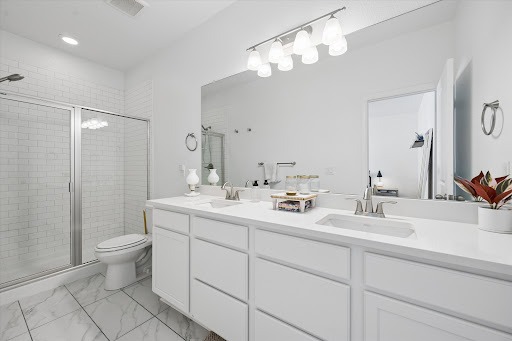

Built in 2023, this better-than-new 3-bedroom, 3-bathroom half-duplex is move-in ready and located in one of Northglenns most coveted neighborhoods, Karls Farm. Upon entering, you’ll notice the high ceilings and flood of natural light mirroring the warmth and friendliness of the neighborhood. The kitchen, outfitted with stainless steel appliances, flows seamlessly into the spacious living area, perfect for your daily routines and entertaining guests. Don't miss the secluded patio right off the kitchen, providing the perfect spot for your morning coffee or a night of grilling. As you head upstairs, you'll find a large primary suite with a roomy walk-in closet and en-suite bathroom. You’ll also find another full bathroom as well as two additional bedrooms, which could also serve as home office spaces. To top off the upper level you have a conveniently located laundry room right next to the bedrooms and an ample storage/linen closet. Some additional unique features include an oversized two-car garage as well as open space right outside of the front door, so you are not looking directly into your neighbors home. On top of the in-unit features, you also get a prime location near a growing array of businesses, and things to do. The HOA handles snow removal, water, and sewer, making your life that much easier. Come see for yourself what makes this property so special!
…By Liv Sotheby's International Realty


Experience elevated living in West End at Town Center, where thoughtful design and everyday comfort come together beautifully. Positioned on a premium lot, this residence features all main living spaces on the second floor, highlighted by soaring 12 foot ceilings and expansive floor to ceiling windows that fill the home with natural light and create an open, airy feel. The kitchen is both refined and functional, offering quartz countertops, white cabinetry, a gas cooktop, wall oven, and stainless steel appliances. It flows seamlessly into the main living area, where a modern fireplace anchors the space and extends to a screened balcony--perfect for relaxing or entertaining. The primary suite provides a private retreat, featuring a tray ceiling, custom built-in closets, and a beautifully appointed bath with a spacious walk-in shower, floor to ceiling tile, quartz countertops, and a tiled shower floor that enhances the spa-like experience with a refined, natural feel underfoot. Each additional bedroom and even the laundry room feature thoughtfully designed storage solutions. Light flooring throughout enhances the home's clean, cohesive aesthetic, complemented by upgraded lighting, zebra blinds, and stylish ceiling fans. Additional features include a fenced side yard, water softener loop, Tesla charger, and an epoxy finished garage floor, offering both convenience and attention to detail. Located just moments from Nocatee Town Center, residents enjoy access to resort-style amenities, water parks, fitness centers, scenic trails, and a vibrant calendar of community events. With shopping, dining, and daily conveniences nearby, this home offers a lifestyle that blends ease, connection, and the best of Northeast Florida living.
…By One Sotheby's International Realty


Enjoy elevated panoramic desert, sunset, mountain and city views from this Southwest contemporary home located at one of the highest elevations, within the guard gated community of Desert Mountain in Apache Peak, and available with a FULLY TRANSFERABLE GOLF MEMBERSHIP! The thoughtfully designed layout offers four ensuite bedrooms plus a powder bath, providing comfort and privacy for both family and guests. Throughout the home, timeless flagstone flooring, solid core doors, built-in cabinetry, and expansive windows create a warm and functional living environment. The main living spaces are filled with natural light and flow seamlessly to the covered patio, creating an ideal setting for everyday living and entertaining. The backyard offers a private desert retreat with a heated Pebble Tec pool and spa, built-in BBQ, and automated shades for year-round enjoyment. Recent improvements include a 2023 roof, multiple HVAC systems, and thoughtful updates throughout.
…By Russ Lyon Sotheby's International Realty


It's All About the View. Some homes are defined by their architecture. Others by their location. This one is defined by what you see the moment you walk through the front door. Tucked away at the end of one of Siesta Key's most private, tree-lined streets, this exceptional bayfront retreat enjoys nearly 180-degree panoramic views across Sarasota Bay, where endless open water, spectacular sunrises, and distant estate homes create a setting that is nothing short of mesmerizing. It is a view that changes by the hour and never gets old. Originally designed by Tollyn Twitchell, son of Sarasota architectural pioneer Ralph Twitchell, this distinctive mid-century residence embraces its architectural heritage with soaring ceilings, expansive walls of glass, and light-filled living spaces designed to celebrate the waterfront. The main residence offers two bedrooms, two baths, plus a spacious office or den, while the detached one-bedroom guest house provides the perfect private retreat for family, friends, or extended stays. With 75 feet of Sarasota Bay frontage, a newly updated dock featuring composite decking and a 13,500-pound boat lift, mornings can begin with coffee overlooking the bay before heading out for a day of boating, fishing, paddleboarding, or simply enjoying the peaceful waterfront surroundings. Tucked behind a natural mangrove shoreline, the property offers both beauty and protection while remaining just minutes from Siesta Beach, Siesta Village, and convenient access on and off the island. Whether you're searching for a peaceful island escape, an architecturally significant waterfront residence, or the perfect site to create a future dream home, opportunities like this rarely become available.
…By Premier Sotheby's International Realty


This fully renovated villa is situated in a convenient location in Jávea, close to the Arenal area and set on a spacious plot of approximately 1,700 m2. With six bedrooms, generous outdoor spaces and a tourist licence, the property offers an attractive combination for both residential use and for those who appreciate its potential as a holiday home. The property is spread over two floors and features a modernised, light-filled interior with clean lines. The main living area is situated on the upper floor, designed as an open-plan space combining the lounge, dining room and kitchen. The contemporary-style kitchen is visually connected to the living areas, whilst the large windows and glass doors extend the space out onto the terrace. This covered terrace is one of the property’s most delightful features, with ample space for a large outdoor dining table and unobstructed views of the surroundings, combining vistas of the countryside with distant sea views. It is a space designed to allow for outdoor living for much of the year, whether for meals or moments of relaxation. The six bedrooms are spread across both floors, with several en-suite bathrooms. The photographs show refurbished rooms with a neutral and functional aesthetic, many of them featuring fitted wardrobes, air conditioning and direct access to or connection with the various outdoor areas. The plot offers a spacious outdoor area. At the heart of the leisure area is a generously sized swimming pool, surrounded by space for sun loungers and various seating areas. Adjacent to this is a pergola with a seating area, spaces set aside for outdoor dining and a barbecue, as well as other relaxation spots distributed around the property. The exterior design, featuring large gravel areas and established vegetation around the perimeter, makes maintenance easy and provides privacy. The entrance also boasts a large private forecourt with ample space to park several vehicles comfortably. The property is just a stone’s throw from the Arenal de Jávea, one of the town’s best-known areas, with its beach, seafront promenade, restaurants, shops and amenities. Its proximity to schools and key everyday amenities means you can enjoy a home with spacious rooms and privacy without sacrificing a convenient location for day-to-day life. Its tourist licence is also a significant advantage for buyers considering combining owner-occupation with holiday lettings.
…By Annonceur International


2-5 Units/Acre
…By Annonceur International


Located in the charming area of Santa Rosalía, this exclusive collection of 16 detached homes offers a tranquil and privileged environment. Designed for those seeking a home that combines comfort and style, these properties stand out for their modern and functional architecture. The proximity to the sea, just 4 km away, allows for the enjoyment of sea breezes and enviable coastal landscapes. Additionally, the airport is 38 km away, facilitating access to national and international connections. These homes are ideal for families who value privacy and comfort in a natural setting. OUTDOOR AREAS The exteriors of these detached homes are designed to maximize the enjoyment of the Mediterranean climate. Each property features a private garden, perfect for creating a personal oasis of tranquility. The terrace offers additional outdoor space, ideal for al fresco dining or moments of relaxation. Additionally, the solarium provides an exclusive place for sunbathing and enjoying panoramic views. The inclusion of a private pool in each home adds a touch of luxury, allowing for refreshing dips on the hottest days. These outdoor elements are designed to offer an unparalleled outdoor lifestyle. INDOOR AREAS The interior of these detached homes is designed to offer maximum comfort and functionality. With a layout that includes three bedrooms and three bathrooms, each space is optimized for the well-being of its residents. Ceramic floors add a modern touch and are easy to maintain. Electric shutters and built-in wardrobes are standard features that add convenience and practicality to daily life. The intelligent distribution of interior spaces ensures that every corner of the home is maximized, creating a cozy and contemporary environment.
…By Annonceur International


A Rare Beachfront Setting with Direct Ocean Views This two-bedroom, two-bathroom beachfront residence offers a refined Key Biscayne setting. From every room, the apartment captures direct ocean and beach views, bringing coastal light and energy into the home throughout the day. Designed with a desirable split-bedroom layout, it features generous living and dining areas that open onto an extended balcony with uninterrupted views of the ocean and shoreline, complemented by tranquil garden greenery below. The primary suite enjoys sliding glass doors leading to the balcony, enhancing the seamless indoor–outdoor flow and inviting the ocean breeze into everyday living. While comfortable as presently configured, the residence presents a compelling opportunity for a thoughtful renovation, offering the potential to create a truly tailored beachfront retreat. Set within an elegant, low-density oceanfront building, valued for its peaceful ambiance and immediate proximity to the shoreline, this residence embodies the understated sophistication and timeless appeal of Key Biscayne living. Residents enjoy the tranquility of an island community known for its beaches, parks, and village feel, while remaining within immediate reach of Miami’s cultural, dining, and business centers.
…By Annonceur International


Are you looking for a dream home in Spain? Then have a look at this fantastic villa in Alfas del Pi, which is only 10 minutes from the beach and 15 minutes from Benidorm. This villa has everything you could want in terms of comfort, design and quality.The villa was completely renovated in 2023, and has a modern and elegant look. The home has a living area of 350 square metres, spread over two floors and the basement.On the first floor, you will find a spacious living room combined with a dining room, which has large windows that let in a lot of light. There are integrated LED lights in the ceiling for atmospheric evenings. Here, there is also an open kitchen with integrated white goods and a large island. In addition, there is a bedroom/office, a separate bathroom and a great hall that includes stairs from the basement to the 2nd floor. There is direct access from the garage in the basement into the house.On the second floor there are three bedrooms, two with en-suite bathrooms and wardrobes. The main bedroom also has a walk-in closet and a private terrace overlooking the garden and pool. On the terrace there is a jacuzzi with a view of the Benidorm skyline.The outdoor area is just as impressive as the indoor area. Here you have a large plot of 1250 square meters, with a well-kept garden, a terrace with a dining area, a pergola with a seating area, and an outdoor kitchen with a grill and a sink with both hot and cold water. The most eye-catching feature is the beautiful pool, which has a length of 11 meters and a width of 5 meters. The pool has lighting that creates a magical atmosphere in the evening. There is also a play area with a bowls court that has LED lighting and a putting green for golf.The villa has many other features, such as underfloor heating, air conditioning, filtered water that allows you to drink tap water, an alarm system, a garage, a storage room, electric blinds, double glazing, etc. A solar cell system has been installed on the roof with a large battery pack so that you are self-sufficient in electricity. The villa is also fully furnished and ready to move into.This villa is a unique opportunity for those who want a luxurious and modern home in a quiet and safe area, but at the same time close to all facilities and attractions. The price is 1.195.000€. If you are interested, you can contact the broker for more information or to arrange a viewing. Don`t wait too long, as this villa will not be on the market for long.
…By Annonceur International


NEW BUILD VILLAS IN BENALMADENA Located in the prestigious La Capellanía area, this exclusive collection of seven Luxurious New Build villas offers unparalleled views of the Mediterranean Sea, majestic mountains, and the scenic landscapes of Mijas and Fuengirola. The Concept Our projects are characterised by cutting-edge design, prime locations, and superior quality, offering dream properties to the most discerning clientele. Situated in the heart of Benalmadena, La Capellania, a very charming and well established area, with beautiful traditional white Spanish villas and green gardens surrounding. Just 15 minutes from the airport in Malaga and 30 minutes from Marbella, this promotion is raising the area to a new level with the best from both worlds. Enjoy close proximity to beautiful beaches, world-class golf courses, gourmet restaurants, and vibrant cultural attractions. The ground floor features a spacious open plan kitchen and living area that opens onto extensive terraces and a chill-out area by the pool. The upper floor includes a master suite with a private terrace and three additional bedrooms, each with en-suite bathrooms, offering plenty of space for relaxation. The basement includes a large garage, a cinema room, and multiple storage areas, all connected by a private elevator. EXTERIOR FOUNDATIONS AND STRUCTURE • Reinforced concrete using insulated and reticular slabs. EXTERIOR ENCLOSURE • Exterior wall with ceramic bricks of 12 cm. Extruded EPS polystyrene insulation, 4 cm of insulation Rockwoll or similar and double internal plasterboard backing. ROOF • Non-passable flat roof with XPS 12 cm insulation in the covered area. • Tiled for solar panels. FACADE • White scraped monolayer coating and decorated stone walls, depending on the design specification. • Painted EXTERIOR CARPENTRY • Schüco aluminium frames with thermal bridge break, embedded in living room flooring. • Electric venecian blinds integrated into carpentry from Griesser. EXTERIOR FLOORING • Porcelanosa 100×100 cm. OUTDOOR LIGHTING • Exterior wall light fittings and garden beacons according to Exterior Design specifications (if applicable). EXTERIORS • Common garden areas: Finished according to landscaping design specification with irrigation system and lighting. • Private infinity swimming pool: According to design project. INTERIOR PARTITIONS • Acoustic brick, double, reinforced, with thermal and acoustic insulation rockwool if appropriate in the areas defined by the interior design specification. • False ceilings throughout. • Sound reducing ceilings in living areas. INTERIOR FLOORING • Porcelanosa 100×100 cm and parquet wooden floors in the bedrooms. • 7 cm skirting integrated into the walls. INDOOR LIGHTING • Interior LED throughout. • Indirect LED light in curtain boxes and sound reducing ceiling in living room. • Switches and sockets: Bticino Living Now PAINTWORK • Smooth white RAL 9010. BATHROOM COVERINGS • Top of the range ceramics from Porcelanosa. HEATING AND AIR CONDITIONING • Air conditioning via ducts with direct expansion heat pump. • Air Zone •Electric towel heater in bathrooms. • Under floor heating with water throughout. • Electric underfloor heating in bathrooms. • Aerothermal electric heater. • Installation of air renewal and extraction. In the immediate surroundings there are all the services available, such as restaurants, golf, supermarkets, schools, health centres, Renfe train station, etc. Benalmádena is one of the most dynamic and attractive towns on the Costa del Sol. Its mild climate all year round, beautiful beaches, wide range of leisure activities, infrastructures and good communications make it the perfect place for those who wish to invest in quality of life and wellbeing.
…By Annonceur International


NEW BUILD VILLAS IN BENALMADENA Located in the prestigious La Capellanía area, this exclusive collection of seven Luxurious New Build villas offers unparalleled views of the Mediterranean Sea, majestic mountains, and the scenic landscapes of Mijas and Fuengirola. The Concept Our projects are characterised by cutting-edge design, prime locations, and superior quality, offering dream properties to the most discerning clientele. Situated in the heart of Benalmadena, La Capellania, a very charming and well established area, with beautiful traditional white Spanish villas and green gardens surrounding. Just 15 minutes from the airport in Malaga and 30 minutes from Marbella, this promotion is raising the area to a new level with the best from both worlds. Enjoy close proximity to beautiful beaches, world-class golf courses, gourmet restaurants, and vibrant cultural attractions. The ground floor features a spacious open plan kitchen and living area that opens onto extensive terraces and a chill-out area by the pool. The upper floor includes a master suite with a private terrace and three additional bedrooms, each with en-suite bathrooms, offering plenty of space for relaxation. The basement includes a large garage, a cinema room, and multiple storage areas, all connected by a private elevator. EXTERIOR FOUNDATIONS AND STRUCTURE • Reinforced concrete using insulated and reticular slabs. EXTERIOR ENCLOSURE • Exterior wall with ceramic bricks of 12 cm. Extruded EPS polystyrene insulation, 4 cm of insulation Rockwoll or similar and double internal plasterboard backing. ROOF • Non-passable flat roof with XPS 12 cm insulation in the covered area. • Tiled for solar panels. FACADE • White scraped monolayer coating and decorated stone walls, depending on the design specification. • Painted EXTERIOR CARPENTRY • Schüco aluminium frames with thermal bridge break, embedded in living room flooring. • Electric venecian blinds integrated into carpentry from Griesser. EXTERIOR FLOORING • Porcelanosa 100×100 cm. OUTDOOR LIGHTING • Exterior wall light fittings and garden beacons according to Exterior Design specifications (if applicable). EXTERIORS • Common garden areas: Finished according to landscaping design specification with irrigation system and lighting. • Private infinity swimming pool: According to design project. INTERIOR PARTITIONS • Acoustic brick, double, reinforced, with thermal and acoustic insulation rockwool if appropriate in the areas defined by the interior design specification. • False ceilings throughout. • Sound reducing ceilings in living areas. INTERIOR FLOORING • Porcelanosa 100×100 cm and parquet wooden floors in the bedrooms. • 7 cm skirting integrated into the walls. INDOOR LIGHTING • Interior LED throughout. • Indirect LED light in curtain boxes and sound reducing ceiling in living room. • Switches and sockets: Bticino Living Now PAINTWORK • Smooth white RAL 9010. BATHROOM COVERINGS • Top of the range ceramics from Porcelanosa. HEATING AND AIR CONDITIONING • Air conditioning via ducts with direct expansion heat pump. • Air Zone •Electric towel heater in bathrooms. • Under floor heating with water throughout. • Electric underfloor heating in bathrooms. • Aerothermal electric heater. • Installation of air renewal and extraction. In the immediate surroundings there are all the services available, such as restaurants, golf, supermarkets, schools, health centres, Renfe train station, etc. Benalmádena is one of the most dynamic and attractive towns on the Costa del Sol. Its mild climate all year round, beautiful beaches, wide range of leisure activities, infrastructures and good communications make it the perfect place for those who wish to invest in quality of life and wellbeing.
…By Annonceur International


CABINET BEDIN Exclusivity - HYPERCENTRE OF SAINT ANDRE DE CUBZAC. In the heart of Saint-André-de-Cubzac, discover this stone building over two floors. It includes six T2 apartments and two T3 apartments, as well as a small courtyard at the back. This property offers a gross annual rental yield of €54,000. An interesting opportunity for an investor. Information on the risks to which this property is exposed is available on the Géorisques website: www.georisques.gouv.fr. Estimated amount of annual energy expenses for standard use: between €1,153 and €1,559/year (reference year 2023)This description has been automatically translated from French.
…By Cabinet Bedin


FOR SALE - FORT-DE-FRANCE - LOCATION N°1 - GOLDEN TRIANGLE: Located in the Golden Triangle of Fort-de-France, this exceptional commercial building offers a unique and highly sought-after location in one of the most dynamic and attractive areas of the city. Comprising two buildings, this complex benefits from a remarkable glass façade, providing optimal visibility and a beautiful street exposure. The strategic location captures a significant flow of customers, with a fully commercial environment surrounded by major brands recognized for their reputation. Accessibility is a real asset, thanks to easy access and a private parking lot with 17 spaces, ensuring ease of parking for your clients. With a total constructed area of approximately 420 m², the building offers numerous layout possibilities to accommodate your activity and welcome your clientele in the best conditions. Its architectural quality gives this property a distinctive character that makes it a perfect choice for an ambitious project. Do not hesitate to contact us for additional information. Visits are by appointment only and will take place at our offices, where we will be happy to welcome you to discuss this exceptional property. Non-contractual photo for confidentiality reasons. Agency reference: 5402This description has been automatically translated from French.
…By Orpi - H&b Immo

Discover this rare opportunity to acquire a 3000 m² residential land located in the prestigious Ambassador district in Rabat. Perfectly positioned for a villa project or a family residence, this land benefits from a peaceful and lush environment, providing both privacy and serenity. The land is fully fenced, ensuring security and perfect delimitation of the property. This spacious plot offers multiple possibilities for landscaping and custom construction, according to your needs and desires. Close to all amenities, this land represents an ideal investment to build the house of your dreams in a privileged setting. Do not miss this unique opportunity in Rabat to realize your real estate project in one of the most sought-after areas of the city.
…By Chestertons Morocco


FONTCOUVERTE – EXCEPTIONAL PROPERTY – 620 M² – 2.2 HECTARES – INDOOR POOLIn Fontcouverte, discover this family property of approximately 620 m², set on a domain of nearly 22,000 m², in immediate proximity to the Louis Rouyer-Guillet Golf Course.In excellent condition, this residence offers remarkable volumes and a layout suitable for many projects: large family home, second home, guest house activity, or multigenerational project.The property features 9 spacious bedrooms, 3 bright living rooms, and numerous spaces that can be adapted to your needs.Outside, the landscaped park, terrace, and balcony provide a privileged setting. The property also benefits from a heated indoor pool measuring 10 x 5 m, accompanied by a relaxation area and a hammam, as well as a summer kitchen.An independent pavilion, which can be used as guest accommodation or a reception room, harmoniously completes the ensemble.Regarding amenities and outbuildings, you will benefit from:Heated indoor pool 10 x 5 mHammam and relaxation areaHeat pumpAir conditioningDouble glazingMains drainageFiber opticsNumerous garagesSpacious basementReception roomHorse enclosurePrivate parkingA rare property offering volume, privacy, amenities, and potential, in a sought-after environment at the gates of Saintes.Price: €1,410,750Contact us for more information and to arrange a visit to this exceptional property.Thomas PROUSTCommercial agentEIregistered with the RSAC of SAINTES under number 849 331 590Agency reference: 700This description has been automatically translated from French.
…By Orpi - Agence Des Coteaux


Beautiful new 3-bedroom detached villa of 114 m² of living space, with a private garden of 660 m², in Sainte Lucie de Porto-Vecchio. Ideally located on the heights of a small new development, the villa benefits from a peaceful elevated setting. Completed house, available immediately, with reduced notary fees. Eligible for the PTZ (Zero-Interest Loan) depending on income. KEY FEATURES: New villa, ready to move into Potential for a swimming pool Reversible air conditioning in the living room and bedrooms Spacious rooms, abundant natural light 660 m² garden with integrated automatic watering system. Optional extras: swimming pool and landscaped garden, automatic watering system, pétanque court, pergola DETAILED DESCRIPTION: The villa comprises a living room with an open-plan kitchen, a pantry, three large bedrooms each with its own bathroom, and two toilets. A covered terrace extends the living space outdoors. Construction complies with the RT 2012 thermal regulations.
…By Michaël Zingraf Real Estate Biarritz


There are places that go far beyond the simple concept of a home: properties that tell a story, evoke emotion and offer a way of life that has become exceptionally rare. Some properties cannot truly be appreciated through a simple viewing. They need to be discovered, understood and imagined. In the heart of the Doubs Horloger Regional Natural Park, just one hour from Besançon, less than 20 minutes from the Swiss border and within easy reach of the main transport routes, discover an exclusive estate designed for discerning buyers seeking a truly exceptional property. Hidden from view and set within 6,676 m² of fully enclosed private grounds, this remarkable estate offers 805 m² of living space and comprises two authentic Franche-Comté farmhouses, each over 200 years old. The two residences are connected by an elegant covered passageway, allowing discreet and sheltered access between them. Each property also benefits from its own private entrance, preserving its individual character, independence and privacy while remaining part of one exceptional estate. Here, nothing has been left to chance. The renovation was undertaken with one clear objective: to preserve the soul and authenticity of the property while providing the level of comfort expected of the finest contemporary residences. Magnificent original stone floors, traditional stone sinks, exposed beams, historic architectural features, an authentic bread oven, noble materials and spectacular volumes all bear witness to the history of these exceptional homes. At the same time, the technical specifications meet the highest modern standards. Comprehensive insulation throughout the buildings and roofs, independent central heating systems for each residence, solar panels, air conditioning in selected areas, recent equipment and excellent energy performance have all been carefully considered to ensure that the charm of a historic property can be enjoyed without compromising on modern comfort. The estate offers truly exceptional proportions and amenities: 805 m² of living space 11 bedrooms, including 9 suites with private bathroom facilities Several fully fitted and equipped kitchens Generous reception rooms Multiple living rooms, each with its own atmosphere A dedicated wellness area A magnificent veranda overlooking the grounds Numerous terraces, some with direct access from the bedrooms Several independent areas offering complete privacy Extensive outbuildings Outside, the estate continues to convey the same sense of exclusivity. The fully enclosed grounds offer complete privacy with no overlooking neighbours, together with peace, tranquillity and open views across the surrounding countryside. Several garages, chalets, additional outbuildings and extensive storage facilities complete the property. This is an estate capable of accommodating far more than one vision. It would be equally suited to an extended family or to ambitious professional and investment projects: a high-end hospitality business, luxury guest house or holiday accommodation, corporate retreats and seminars, a prestigious events venue, a multigenerational family residence, or an exceptional heritage investment. The possibilities are numerous, yet one thing remains unchanged: this property is truly unique on the market. What makes this estate so remarkable is not simply its size or the quality of its renovation. Its true distinction lies in the rare balance between the authentic character of historic Franche-Comté farmhouses and the standards of comfort expected by today's most discerning buyers. This is a living piece of heritage, meticulously maintained and ready to welcome its new owners without the need for renovation work. Properties combining this level of character, such extensive living space, such accomplished restoration and such a preserved natural environment are exceptionally rare on today's market. An initial telephone conversation is therefore essential in order to discuss your project and introduce you to the history, distinctive features and full potential of this exceptional estate. More detailed information and the complete property portfolio will then be made available to prospective buyers whose plans are in keeping with the spirit and stature of the property. To live in such an estate is to choose far more than a residence. It is to become the custodian of a rare piece of heritage, a distinctive way of life and a property whose soul deserves to be preserved and passed on with the same care and dedication that have shaped it over the centuries. If you are looking for more than simply a home, but rather an estate steeped in history, where the heritage of Franche-Comté meets contemporary comfort, this remarkable property deserves your full attention.
…By Safti


FOR SALE? Part of a building comprising two apartments and a commercial space? Le Havre city center? Profitability 7.5% A rare opportunity in Le Havre for investors: we offer you a mixed-use property offering a net profitability of 7.5% , combining rental security and potential for growth. Composition of the set: Two F3 type apartments (approximately 60 m2 each) : 1 apartment currently rented (rental income secured by current lease). 1 free apartment, in need of renovation, offering the possibility of quick rental or personal occupation. A ground floor commercial premises , rented for archive use, generating a stable income thanks to a reliable tenant. Key points for the investor: Attractive profitability of 7.5% , above the market average. Diversified income (residential + commercial). Rental security ensured by existing leases. Potential for increased value with the re-rental of the vacant apartment. Premium location: right in the city center of Le Havre, close to shops, services, schools, transport and cultural life. This real estate asset represents a balanced investment opportunity . For more information or to arrange a visit, please contact us now.
…By Jma Immo


PANORAMIC VIEW ON MARIGOT BAY AND MORNES OF CONCORDIA. This plot of land, serviced, will be ideal for building your cozy nest and settling your family with a buildable floor area of 300m². You also have the possibility of building 4 housing units. This 1,550 m² plot, facing north-east, is ideally located on the heights of Concordia, in a quiet area. Close to everything you need, you can see your family evolve in the immediate vicinity of schools and shops. Come see it and get an idea !
…By Coldwell Banker St Barth Azur Saint-barthélemy


Just 20 minutes from Paris-CDG airport and 40 minutes from Paris, discover this elegant Anglo-Norman residence located in absolute tranquility, on a landscaped park of 3,800 m² without any overlook. The property features a grand reception lounge of 65 m² filled with light, boasting a beautiful high ceiling, a second more intimate lounge, a fully equipped contemporary kitchen, as well as a dressing room and a bathroom on the ground floor. Upstairs, the sleeping area is divided into two distinct wings: the first wing dedicated to a 50 m² master suite with its own bathroom, and the second wing comprising four bedrooms, a dressing room, and a bathroom. Outside, the park includes a heated pool and a converted outbuilding with a summer kitchen and laundry area. Located immediately close to shops and schools. An exceptional family living space at the gates of Paris.This description has been automatically translated from French.
…By Kretz Real Estate


An exceptional place in the heart of ConfluenceDiscover L'Orangerie, a stand-alone building with elegant industrial architecture, nestled in the heart of the Confluence district – one of the most dynamic and sought-after areas of Lyon. This rare property of approximately 478 m², spread over two levels, offers a loft-like atmosphere blending authenticity and modernity. Its private access and unique charm make it an ideal address for a company in search of image and working comfort.A functional and inspiring spaceThe floors benefit from generous volumes, high ceilings with suspended acoustic panels, high-quality PVC flooring, and opening windows providing exceptional natural light. The entire space is ready to use, air-conditioned, fiber-optic equipped, and compliant with ERP 5 standards. The industrial loft ambiance appeals due to its raw materials and sleek lines, creating an environment that is both professional and warm.Strategic location and optimal connectivityLocated at 38 rue Denuzière, just steps away from Tram T1 / T2 (Sainte-Blandine) and the multimodal hub of Perrache (Metro A, SNCF Station, Bus), the address benefits from perfect accessibility. The A6 / A7 highways are reachable in a few minutes, allowing easy connections between the north and south of the urban area. Immediate surroundings: restaurants, shops, gym, and all necessary amenities for the well-being of employees.Key featuresTotal area: 478 m² (Carrez) Type: Independent offices / freehold building Configuration: Ground floor + 1st floor ERP 5th category Reversible air conditioning / Fiber optic / PMR access 6 private parking spaces (in addition to the price) complete the property.Availability: ImmediateA rare opportunity in Lyon 2 – Confluence. A property combining design, performance, and prestige, in the heart of an emblematic district where modernity and quality of life blend perfectly. Agency reference: 5453This description has been automatically translated from French.
…By Orpi - Immobilière Saint Nizier


Casavo offers for sale a 3-room apartment of 56.6 m² Carrez, ideally configured for the practice of a liberal profession, in the heart of the sought-after district of Alésia, in a character building dating from 1860, recently renovated and well maintained.Located on the ground floor, the property mainly overlooks the Villa d'Alésia, a discreet, quiet and little-traveled street, providing an environment particularly suited for consultation activities. With no direct vis-à-vis and facing south, it benefits from beautiful brightness throughout the day.Its star-shaped layout enables functional and modular organization, perfectly suited for professional use: • Three rooms that can accommodate independent offices • A room dedicated to a convivial space or rest room (former kitchen) • A comfortable waiting room • Separate toilets, facilitating the reception of clients.The ceiling height of 2.80 m, the parquet flooring, the moldings, and the fireplaces provide a pleasant and enhancing workspace for clients.The practice of a liberal profession is authorized by the condominium regulations, offering legal security for your setup.Two cellars in the basement complete this property.Contact us today to arrange a visit and explore the potential of this premises perfectly suited to your professional activity.This description has been automatically translated from French.
…By Casavo Management France


EN EXCLUSIVITÉ ! Ancien presbytère du 18ème situé sur la commune d' Yvrac proche du bourg avec toutes ses commodités, écoles, collège. A 20 minutes de Bordeaux centre et de sa gare TGV, accès rocade et autoroutes à 5 minutes. Venez découvrir cette belle demeure de 350 m² exposée plein sud avec vue sur le parc de 1500 m², elle est composée de 8 pièces, 4 chambres de 10 à 16 m², salon 20 m² avec cheminée, salle à manger 22 m², cuisine 20 m² aménagée et équipée, bureau 12 m² avec cheminée, salle de bain 7 m², salle d'eau 6 m², 2 wc, cave à vins. Pour accueillir dans les meilleures conditions, vous aurez à votre disposition une salle de réception de 50 m² avec barbecue et comptoir bar,donnant sur la piscine intérieure de 45 m² semi-ouverte avec vue sur le jardin. Garage et atelier de 38 m² attenants à la maison. Sur l'extérieur allée pavée avec parking , une belle terrasse ombragée avec sa dépendance en pierre de 45 m² avec vue sur la parc. Abri de jardin et potager.Chauffage gaz chaudière mixte maison/piscine.Double vitrages aluminium.Tout à l'égout (3.03 % fees incl. VAT at the buyer's expense.)
…By Propriétés Privées


Nestled in the heart of a preserved natural environment in the Orne department, this international-scale stud farm extends over approximately 180 hectares of high-quality pastureland, specifically suited to breeding and equine training. Carefully developed over the past 25 years, the estate now offers comprehensive facilities dedicated to the breeding and training of racehorses, currently operated for trotters. The entire property can easily be adapted for thoroughbred breeding, sport horses, breaking, or pre-training operations. The stud enjoys a strategic location between Vimoutiers and Gacé, just 1 hour from Deauville and only 10 minutes from the A28 motorway, providing access to Paris in under three hours. Breeding Facilities: • Breeding barn with loose boxes opening directly onto sand paddocks • Foaling barn comprising 14 broodmare boxes • Dedicated insemination area with examination stocks • Large open-plan loose housing facility • Traditional half-timbered stable with 20 boxes and an attached staff accommodation Training Facilities: • Stabling capacity for up to 28 yearlings • Outdoor boxes and indoor loose housing • Treatment and preparation area • Three training tracks: – Approximately 1,000 m circular sand track – Approximately 1,000 m figure-eight track – Uphill straight training gallop • Network of bridle paths throughout the estate • 6-horse walker Residential Accommodation: • Main half-timbered house • Two renovated houses for management staff • Three staff apartments • Additional accommodation integrated within the barns The pastureland, resting on clay soils with limestone subsoil and supplied by numerous natural springs, is divided into approximately sixty fenced paddocks with shelters, all accessible via well-maintained internal roadways. Key Information: • Surface area: approx. 180 hectares • Approx. 60 paddocks • Fully equipped breeding and training facilities • Multiple residential units on site • Immediate access to A28 motorway • Deauville: 1 hour • Paris: 2h45 A rare estate offering fully operational, turnkey infrastructure for professional breeding, training, or equine development activities. For a private viewing or to receive the complete confidential dossier, please contact us directly.
…By Gallant Properties
'%20stroke='%23DDAA3A'%20stroke-width='1.909'%20stroke-linecap='square'%20stroke-linejoin='bevel'/%3e%3c/svg%3e)
Receive by email any new listing that may match your search criteria
By validating this form, you accept the general conditions of use of Le Figaro Properties.
These agencies offer a selection of luxury properties vente . Feel free to contact them for personalized assistance.


