Get early access to listings that match your criteria
Never miss an opportunity again. Our personalized alerts notify you instantly.

 English$ USD · m²


In Touraine, a 16th-century manor rehabilitated by J.-B. Astier de Villatte, along with its guest house, ornamental garden, and swimming pool. Accessible through a large oak door leading to a paved courtyard, the house is built of tuffeau over three levels, topped with a gabled roof of tiles and flanked on its east side by an imposing staircase tower. Built in the 16th century on older foundations, the residence underwent a complete rehabilitation at the end of the 2000s by Jean-Baptiste Astier de Villatte. The volumes have been rethought, while some openings have been modified or created to refine the perspectives and light inputs. The walls, plastered with lime, are punctually covered with enamel tiles, a signature of the decorative architect. The French-style ceilings, painted and delicately floral, converse with terracotta tiled floors, with shapes and patterns specifically designed for each room. Custom oak joinery is created, while furniture is designed, manufactured, and installed specifically for the space. At the rear of the house, on the garden side, a large tuffeau barn, topped with a slate roof, opens at the end of a paved stone path from Chauvigny. The restoration here is decidedly contemporary, with large volumes bathed in light thanks to wide openings with metal frames. The floors are laid with tomettes and the doors and frameworks are in oak. Between the two bodies of buildings, a classic-inspired garden structures the perspectives. It is planted with cypress trees, olive trees, rose bushes, and fruit trees. It organizes the transition to a relaxation space between the terrace, pool, and lawn. The property also includes two vaulted cellars, a well, and two outbuildings.This description has been automatically translated from French.
…By Patrice Besse


Motivated Seller -- Newly Repositioned. Sweeping mountain views, generous single-level living, and a private resort-style backyard define this beautifully refreshed Stetson Hills residence. Set on an exceptional north/south-facing homesite, the property offers an uncommon sense of openness, privacy, and connection to the surrounding Sonoran landscape. Inside, soaring 12-foot ceilings, expansive windows, and abundant natural light create an impressive yet inviting atmosphere, while Italian tile and newly installed luxury vinyl flooring add warmth and continuity throughout. Designed for both everyday living and entertaining, the flexible split floor plan features three bedrooms, a private office, and distinct formal and casual gathering spaces. At the heart of the home, the generously proportioned kitchen offers an oversized island, black stainless steel KitchenAid appliances, a Viking hood, and beautifully refinished cabinetry. Privately positioned, the owner's suite enjoys tranquil mountain views and direct backyard access. The adjoining bath features dual vanities, generous proportions, and an expansive walk-in closet. Outdoors, the home opens to a resort-inspired setting with a heated pool, lush lawn, mature landscaping, and a dramatic mountain backdrop--an inviting environment for both quiet mornings and effortless entertaining. Additional highlights include two substantial Lennox HVAC systems, a three-car garage with newly completed premium epoxy flooring, and a location convenient to Deem Hills Park, hiking trails, pickleball, shopping, dining, and the expanding TSMC corridor. With its substantial single-level footprint, oversized homesite, mountain views, pool, and newly repositioned price, this is a compelling opportunity for buyers seeking space, privacy, and an elevated Arizona lifestyle.
…By Russ Lyon Sotheby's International Realty


Experience refined island living in this beautifully designed 2,300 sq. ft. beachfront residence, where open interiors and uninterrupted Atlantic Ocean views define every moment. From the moment you enter, soaring 18-foot vaulted cathedral ceilings create an extraordinary sense of space, while the open floor plan draws your gaze to the turquoise horizon beyond. Perfectly positioned on a stretch of pink-sand shoreline, this home captures the essence of relaxed sophistication and effortless coastal charm. Signature Features • 2,300 sq. ft. beachfront residence with direct pink-sand beach access • Breathtaking Atlantic Ocean views from every room • 18-foot vaulted cathedral ceilings and open-concept living • Gourmet kitchen with 9-foot quartz island and high-end appliances • Three oceanview bedrooms, each with ensuite bath and private deck • Heated oceanfront pool with expansive lounging terrace • Screened-in porch for outdoor dining and relaxation • Dedicated yoga deck, hammock retreat, and outdoor shower • Ipe wood decking, new generator, and 10,000-gallon cistern with city water • Proven rental history and proximity to local restaurants and amenities Main Living Areas The generous foyer opens to a bright, airy living space framed by panoramic ocean views. Vaulted cathedral ceilings and an open-concept layout create a seamless flow between living, dining, and kitchen areas, designed for both entertaining and quiet coastal living. At the heart of the home, the gourmet kitchen features a striking 9-foot quartz island, 6-burner gas range, full-size refrigerator, and dishwasher. The adjoining dining area extends to the screened-in porch, where gentle breezes and ocean sounds set the mood for relaxed al fresco dining or tranquil afternoons overlooking the sea. Bedrooms & Private Suites Each of the three bedrooms offers spectacular ocean views and private sliding-door access to individual decks. Gentle Atlantic breezes keep the rooms naturally cool, while full air conditioning ensures comfort year-round. The primary suite is a serene retreat with a king bed, walk-in shower, and luxurious soaking tub perfectly positioned to capture endless ocean views. The second bedroom includes a queen bed with twin trundle, and the third offers a queen bed, each with its own ensuite bathroom for comfort and privacy. Outdoor Living Beyond the screened porch, a dedicated yoga deck welcomes sunrise meditation amid ocean breezes. The heated pool, available from November through March, overlooks the sea, while the surrounding deck provides ample space for lounging in the sun. A short path leads to the pristine pink-sand beach, ideal for long walks, swimming, snorkeling, or reef fishing. After a day by the water, rinse off in the outdoor shower and unwind in the hammock, where the sound of the waves and soft ocean air complete the scene. Additional Features & Investment Value Built for both comfort and practicality, this home includes Ipe hardwood decking throughout, a new generator, and a 10,000-gallon water cistern with city water connection. Its proven rental history highlights its appeal not only as a luxurious private retreat but also as an exceptional investment opportunity in one of the Bahamas’ most desirable beachfront settings. This elegant coastal residence captures the best of Bahamian living, modern design, natural beauty, and effortless luxury. Whether enjoyed as a personal sanctuary or an income-producing investment, it offers an unparalleled lifestyle defined by serenity, sophistication, and the timeless allure of the sea.
…By Bahamas Sotheby's International Realty


Nestled along the tranquil shores of James Creek with effortless access to the Great Peconic Bay, this inviting waterfront residence offers the perfect blend of comfort, recreation, and coastal charm. A newly installed deep-water floating dock and access to a private association bay beach make it an exceptional opportunity for boating enthusiasts and those seeking a connection to the water. Inside, the home is bright and welcoming, featuring an open-concept layout with hardwood flooring throughout and soaring vaulted ceilings that fill the eat-in kitchen with natural light. Privately situated on its own wing of the main level, the primary suite offers a spacious walk-in closet and en-suite bath, creating a comfortable retreat within the home. The second floor provides exceptional flexibility with an expansive landing area ideal for a media room, home office, or additional lounge space. A generously sized guest bedroom, full hallway bath, abundant storage, and a substantial bonus room above the attached two-car garage complete the upper level. Set on nearly one-half acre with approximately 100 feet of waterfront frontage, the property is thoughtfully positioned to take advantage of its waterfront setting. The current floating dock accommodates a 36-foot vessel with twin outboard engines, offering ample water depth for a variety of boating needs. Completing the offering is access to a nearby community bay beach, providing yet another way to enjoy this sought-after North Fork waterfront location.
…By Daniel Gale Sotheby's International Realty


Set within the sought-after Cerise Ranch community, this spacious 5-bedroom, 4-bathroom residence offers a compelling combination of one-level living, generous living spaces, and 2.69 acres of land. The main level is thoughtfully designed around a spacious primary suite and chef's kitchen, with an easy flow for both everyday living and entertaining. The lower level expands the home's versatility with three additional bedrooms, a second family room, and an entertainment room with a theater, creating an inviting space for family and guests. A walk-out leads directly to the hot tub and beautifully landscaped, fenced backyard, where a generous lawn provides room to relax and enjoy the surrounding landscape. Cerise Ranch offers an exceptional mid-valley setting with larger homesites, open space, walking trails, a community pool, and clubhouse. Conveniently located near Willits and the shops and restaurants of Basalt, with easy access to the Roaring Fork Club and the greater Roaring Fork Valley, the property offers both a sense of privacy and convenient access to the valley's amenities.
…By Aspen Snowmass Sotheby's International Realty


Elegant 3 bed, 3.5 bath brownstone townhome situated in a private enclave with a turnkey lifestyle and the type of close knit neighbourhood you spend a lifetime searching for. This location offers comfort, convenience and community in a truly idyllic setting nestled against mature trees and a peaceful pond with walking trail, while this stylish home blends sophisticated finishes, tree lined views and a functional layout for everyday living. The welcoming foyer ushers you in towards the bright living area, with large windows overlooking private mature trees and warm hardwood floors. The spacious open concept living room features floor to ceiling custom built in cabinetry with glass display case, a gas hook-up for a fireplace and extra bonus space for an office or reading nook. The sun-filled dining room overlooks both the living room and kitchen and features a walkout to the back deck. The modern kitchen features rich walnut stained cabinetry with recently updated crisp quartz countertops and stainless steel appliances (including a rough in for gas stove). A main floor powder room and easy garage access complete the main level. Upstairs, the newly upgraded modern broadloom is a comforting welcome to the bedrooms. The primary bedroom is a peaceful retreat with a large window framing the lush trees of the backyard. Generous storage with both a walk in closet, a second double door closet and a spa like 4 piece ensuite with large soaker tub and spacious walk in shower. Two more sun-filled bedrooms overlooking the front yard, a 4 piece bathroom and an extra large linen closet complete this level. The finished basement features an open concept recreation room with new broadloom, perfect for a games room or guest space. A 3 piece washroom with walk in shower and laundry closet, plus ample storage space top off the basement. The back yard is a maintenance free paradise (no grass cutting!) with a walk-out deck and lower patio - the perfect setting for al-fresco dining or entertaining friends and family. Tucked away on a quiet cul-de-sac with handsome curb appeal and a warm brick facade, this brownstone is ideal for downsizers and families alike seeking urban amenities in a residential setting with walking trails, Postridge Park & Splash Pad steps away, plus shopping, dining, transit hubs & easy highway access all around the corner. Located within a top rated school catchment, Iroquois Ridge HS & Recreation Center are merely a stroll away. This home truly offers it all- lifestyle, location & living space. Welcome home.
…By Sotheby's International Realty Canada


Welcome to 6 Hunter—an extraordinary storybook estate tucked within the prestigious guard-gated enclave of Coto de Caza. Situated at the end of a quiet, single-loaded cul-de-sac in the coveted Woods neighborhood, this legacy property offers exceptional privacy, scale, and timeless elegance. Set behind a private gated motor court on over an acre of meticulously manicured grounds, the residence spans approximately 7,300 square feet and features six bedrooms, five-and-a-half bathrooms, a six-car garage, and an attached guest house—ideal for guests, multigenerational living, or a private executive office. The grounds evoke a romantic, European-inspired garden with blooming roses, mature magnolia trees, and meandering pathways that create a true sense of serenity and arrival. Inside, refined interiors showcase soaring ceilings, rich architectural detailing, and designer finishes, blending classic craftsmanship with modern luxury. Designed for both grand-scale entertaining and everyday living, the home includes a main-level ensuite bedroom, an expansive executive office with flexibility as a secondary primary suite, and a showstopping bonus room complete with bar, game space, and private balcony with sweeping hillside views. Outdoors, a resort-style pool and spa are framed by intimate seating areas and lush landscaping, creating a private sanctuary for relaxation and entertaining. A rare offering in one of Orange County’s most sought-after communities, with access to top-rated schools, scenic trails, and a premier country club lifestyle.
…By Pacific Sotheby's International Realty


Experience refined Colorado living in this exceptional trailside patio home, ideally positioned on a premium lot adjacent to a serene greenbelt. The west-facing front yard captures beautiful natural light and overlooks open space across the street, offering a sense of privacy along with subtle mountain views—an increasingly rare and desirable setting. Thoughtfully designed, the home features two bedrooms plus a private office that can easily be converted into a third bedroom. The open-concept kitchen, living, and dining areas create a seamless and sophisticated environment ideal for both everyday living and elevated entertaining. Curated upgrades are found throughout, including designer lighting, upgraded plumbing fixtures, and a striking stone fireplace that serves as a stunning focal point in the main living space. Architectural details such as 8-foot doors and elegant plantation shutters further enhance the home’s timeless appeal and upscale aesthetic. Step outside to a covered Trex deck overlooking a professionally landscaped backyard, complete with a new, extended flagstone patio, water feature & wood burning firepit —perfectly suited for embracing Colorado’s coveted indoor-outdoor lifestyle. The backyard’s direct adjacency to a maintained greenbelt and walking path provides effortless access to daily recreation and tranquil surroundings. Designed for true low-maintenance living, the HOA manages front and side yard landscaping, snow removal—including the driveway—and seasonal sprinkler system services, creating a convenient lock-and-leave lifestyle. With numerous additional upgrades and a premier location backing to open space, this turnkey luxury patio home offers an exceptional opportunity to enjoy comfort, convenience, and scenic Colorado living at its finest.
…By Liv Sotheby's International Realty


Waterfront living under $300K! Welcome to your getaway in Jourdan River Shores, where weekends are made for boating, fishing, entertaining and relaxing on the water. Offering 55’ of waterfront, a 2024 dock, huge covered back porch and an incredible downstairs entertaining area with custom bar, double sink and half bath, this home was made for Gulf Coast living. Inside you’ll find an updated kitchen with butcher block countertops, subway tile backsplash and stainless sink, plus fresh paint and updated lighting throughout. Roof, HVAC and cargo lift are all less than five years old. Whether you’re looking for a weekend retreat or full-time waterfront lifestyle, this one is ready for you to start enjoying.
…By Crescent Sotheby's International Realty


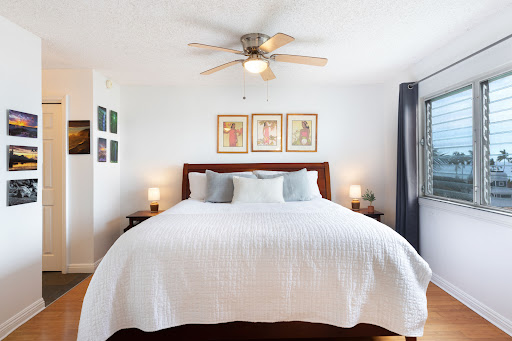


Wake up to the feel of Kona around you in this 1 bedroom, 1 bathroom condominium at Kailua Village. The property is currently operating as a short term vacation rental and is being offered turnkey, providing a ready to continue setup for a buyer interested in the existing short term rental operation. Full financials are available upon request. The 639 square foot home brings ocean, horizon, and sunset views into the everyday experience, creating a natural backdrop for morning coffee, relaxed afternoons, and evenings watching the light change across the water. Set along Kuakini Highway in North Kona, the property puts you close to the character and activity of Kailua Kona while giving you a comfortable place to return to. The multi story unit offers air conditioning, a kitchen with an island, assigned parking, and access to a shared in ground pool. A keyed elevator and key entry add convenience, while coin operated laundry is available for residents. Pets are allowed. Life here is about enjoying Kona at an easy pace. Spend time outdoors, take in the ocean horizon, and make the most of the warm Hawaiʻi Island setting. Come home after a day out and cool down in the shared pool, settle into the air conditioned interior, or simply pause to enjoy the changing colors over the horizon. Built in 1972, Kailua Village is a fee simple condominium with municipal water, sewer connected service, and underground power. The property is not a condominium hotel. Cable is available for television, telephone, and internet service. Offered at $325,000, this condominium brings together ocean views, everyday convenience, and a location in Kailua Kona. The building is currently undergoing a plumbing overhaul, with full details available on request. Buyers should review the condominium documents, CC&Rs, and project information as part of their due diligence.
…By Aloha Sotheby's International Realty


A must see! Situated within the coveted gated community of The Cove at Waterway Village and built in 2015, by Divosta, this open concept property sits on one of Waterway Village's largest homesites, .40 acres offering abundant outdoor space and a sense of privacy seldom found in a gated community. Three-bedroom, three bath plus den offers a combination of elegance, privacy, and effortless sophistication. Beautiful hardwood floors throughout complemented by a gourmet kitchen and designer details. A spacious three-car garage offers convenience and storage. Generous living and entertaining spaces seamlessly connect, providing an inviting backdrop for gatherings and entertaining.
…By One Sotheby's International Realty


Privacy, space and an exceptional lot set this beautifully upgraded three-bedroom, three-bathroom home apart. Positioned on one of the largest pie-shaped lots in the subdivision, the expansive property backs onto a peaceful stormwater creek with a pathway along one side, creating a rare sense of privacy and outdoor space, along with a generous two-car garage. Inside, thoughtful upgrades enhance both style and everyday functionality. The kitchen features upgraded cabinetry with increased-height uppers, pot-and-pan drawers, a dedicated microwave shelf and an extended island with additional seating. A gas line has been added for the range and barbeque, while the kitchen appliances remain under warranty through April 2029. Upstairs, the spacious primary suite offers a beautifully upgraded ensuite with a full-glass shower, freestanding soaker tub and quartz countertop. Convenient upper-level laundry completes this well-planned level. The lower level offers excellent future potential with a separate entrance, enlarged windows and rough-ins for a bathroom, kitchen and laundry providing flexibility for additional living space, a home office, recreation area or future in-law accommodations. A cold cellar provides additional storage. Further upgrades include an owned furnace and air conditioner, both purchased in 2025. With its oversized pie-shaped lot, private creekside backdrop, two-car garage, upgraded interior and versatile lower level, this Clearview home offers something increasingly difficult to find: modern comfort with genuine outdoor space, privacy and room to grow. Centrally located with only minutes drive to enjoy waterfront activities along Georgian Bay, beaches, festivals, skiing, golf, shopping, restaurants, farmers markets and more.
…By Sotheby's International Realty Canada


A once in a lifetime opportunity to own the beautiful historic 70 acre Tres Hermanas Ranch located in the heart of the Verde Valley wine country - a breathtaking gated creek front estate known as the ''Emerald'' of Cornville, Arizona. Are you looking for a serene place of beauty away from city life where the only deadlines are set by the rising and setting of the sun? Located on the banks of Oak Creek, the property features a beautiful ranch home with redwood siding and pastoral views of the creek front pastures and greenbelt, a large hay barn, caretaker's apartment, a greenhouse, an 8 stall horse barn, a pond, all in the midst of majestic 100+ year old trees offering shade and the inspiration of nature. It comes with abundant historic water rights of 444 acre feet annually. The property enjoys the abundance of 443 acre feet of historic water rights from the Mason Lane Ditch, a diversion of Oak Creek, dating back 1898. The property includes a warm and well maintained 3650 sf 4 bedrooms / 2 baths ranch home featuring pastoral views of Oak Creek below. The property also includes a 4000 sf hay barn / workshop with a 640 sf caretaker's apartment, a center aisle 8 stall MD barn of 1760 sf with runs, 8 covered pipe stalls, a round pen, a 2000 sf greenhouse, a root cellar, solar power, a private well w 12000 gallon storage tank capacity, irrigation pivots, perimeter fenced with multiple fenced off pastures for feeding rotation. Are you thinking Dude Ranch, Fishing, Hiking, Equestrian Retreat, Family Retreat or any retreat calling for the inspiration of the earth and nature? This is your place. The property includes 6 parcels: 407-32-025L, 407-32-025X, 407-32-025Y, 407-32-057, 407-32-025Z, 407-32-025V. Located 18 min to Sedona, 15 min to Cottonwood, 5 min to the designated scenic and historic highway of Page Springs Road and its wineries and restaurants, 1 hour 45 min to Phoenix Sky Harbor Airport, 50 min to Flagstaff Pulliam Airport. All livestock and farm equipment is negotiable. Shown by appointment only.
…By Russ Lyon Sotheby's International Realty


New contemporary-style villa with a swimming pool, south-facing, with sea and countryside views, in Albufeira. Located in the prestigious Sesmarias area of Albufeira, this villa represents a unique opportunity for those seeking comfort, modernity, and proximity to the region's most iconic beaches, such as São Rafael Beach, just 5 minutes away. Built in 2024, the villa offers a private gross area of 270 m² spread over three levels and includes a multifunctional basement of 75 m², ideal for a garage, future adaptations, or storage. On the ground floor, the highlights include the living room with a fireplace, dining area, and open-plan kitchen, with large south-facing windows offering direct access to the outdoor space, an en-suite bedroom, and a guest bathroom. On the first floor, there are three additional bedrooms, all with balconies, one of them en-suite, and a guest bathroom. The exterior space has been thoughtfully designed, with a south-facing pool allowing you to enjoy sunny days and unobstructed views of the sea and countryside. The property also includes parking for two vehicles and is equipped with air conditioning, central heating, solar panels, a dehumidifier, and a heater, ensuring energy efficiency and comfort in all seasons. Situated in a peaceful neighborhood, this property benefits from a strategic location. Just 7 km from the EN125, 9 km from the train station, a bus stop 500 meters away, and Faro International Airport 40 km away, it offers excellent accessibility. With essential services nearby, such as supermarkets and restaurants 500 meters away, schools 900 meters away, Albufeira Marina 2 km away, and the center of Albufeira, hospital, and golf courses 4.5 km away, convenience is guaranteed. This contemporary villa combines modern design, functionality, and a prime location, ideal for those who value quality of life, proximity to the sea, and a tranquil environment. Perfect for a new home, holidays, or for rental income.
…By Portugal Sotheby's International Realty


Most upgraded townhome in Towns of Seascape! 2021 smart home with top-tier finishes. Spacious 4 beds, 3 full baths (1 bed & bath on main level). Gourmet kitchen features premium quartz, large island, pantry & touchless faucet. Designer zebra & blackout shades, impact windows and custom built-ins. Spacious concrete epoxy patio. Tankless water heater, advanced water softener & reverse osmosis. Smart thermostat, washer/dryer and EV charger. 2 Assigned parking spaces plus gated 24hr security, 2 resort-style pools, clubhouse, playground & more. HOA includes internet and cable.
…By One Sotheby's International Realty


Experience unparalleled craftsmanship in this West Coast contemporary residence on Bear Mountain, ideally positioned at the end of a private cul-de-sac with sweeping views of the Jack Nicklaus, designed 18th fairway and green. Offering 3,381 square feet, three bedrooms plus office and four bathrooms, the home is filled with refined finishes: 12’ ceilings, oak flooring, custom millwork, quartz counters, heated tile, and solid fir accents. The gourmet kitchen opens to a light-filled great room with gas fireplace, while a custom wine cellar sets the stage for elegant entertaining. The primary suite impresses with walk-in and spa-inspired ensuite; a second primary suite, family room, second kitchen, with guest quarters are found on the lower level. Multiple decks and professionally landscaped gardens frame the stunning golf course backdrop. $150,000 renovation completed in the last couple of years. A $60,000 golf membership completes this rare offering designed for those seeking luxury and lifestyle.
…By Sotheby's International Realty Canada


Perched on Ski Mountain, this beautiful home offers a light-filled, open floor plan and breathtaking long-range mountain views. Vaulted ceilings and a warm stone fireplace create an inviting living room, while hardwood floors span the entire main level. The kitchen features granite countertops and a charming bay window that forms the perfect breakfast nook for enjoying the scenery. Designed for comfortable mountain living, the main level includes the primary suite, spacious living and dining areas, kitchen, powder room, and an expansive covered deck where you'll spend countless hours taking in the mountain view. The lower level offers a generous family room, two guest bedrooms, a full bath, laundry room with an additional half bath, and access to a second covered deck overlooking the landscaped yard. Perfectly situated between Boone and Blowing Rock, this two bedroom home has a flex room currently being used as a sleeping space. The home is situated adjacent to Appalachian Ski Mountain and Tweetsie Railroad, offering a stunning view of holiday fireworks. The home also has convenient access to the Blue Ridge Parkway. Ski mountain is an established sought-after neighborhood that is renter friendly, the roads leading to the home are properly maintained (easy access) and plowed in the winter. Offered fully furnished, this turnkey mountain retreat is ready to enjoy from day one.
…By Premier Sotheby's International Realty


An Exceptional Residence Undergoing a Remarkable Transformation A rare opportunity to acquire a completely reimagined waterfront property and take part in the final stages of its transformation. Currently undergoing extensive renovations, this residence is at the heart of an ambitious project designed to create a contemporary, light-filled and refined home, where the architecture, proportions and quality of the materials have been carefully considered. The expansion plans have been approved by the City, and the work is expected to be completed by December 2026, depending on the date an offer to purchase is accepted.
…By Sotheby's International Realty Québec


Looking for something truly distinct in Greenleaf Trails? This custom-built home stands completely apart from standard neighborhood layouts, offering a rare blend of versatile living spaces, smart efficiency, and thoughtful ADA-accessible design. With 4 bedrooms and 3 full bathrooms, the interior is built to adapt to your life. The floorplan features two complete primary suites. The main suite offers a highly practical layout with a spacious bedroom overlooking the backyard, double sinks, and an expansive closet. The second primary suite includes a clever pass-through from the closet into an adjoining room—an ideal setup for a nursery, quiet home office, or a true extra bedroom. At the center of the home, a wide wall of windows pulls natural light across the main living area, dining space, and kitchen. Home chefs will love the massive single-level quartz island, deep walk-in pantry, and the flexibility of an electric cooktop that is already stubbed for gas underneath. The upgrades extend to the infrastructure: Geothermal Heating & Cooling: High-efficiency climate control built to last decades (up to 50 years!) Climate-Controlled Garage: Fully insulated, heated, and cooled, with an extended footprint and a built-in standup storm shelter. Outside, the screened-in back patio is a quiet retreat looking out over a backyard filled with perennial landscaping, kept green by an easy-care drip irrigation system. The property directly borders the neighborhood pond and sits just steps from the community walking trails and playground. Everything is positioned just minutes from I-35, the University of Oklahoma campus, and downtown Norman, giving you a perfect balance of neighborhood peace and quick city access. Contact us today for the complete, extensive list of custom upgrades!
…By Sage Sotheby's International Realty


Since Lake Forest was first established in the late 1950s, the original owners have lovingly cared for this property, where generations gathered, children grew up exploring the surrounding woods, and memories were made that have endured for decades. Now, for the first time, this remarkable legacy is being offered to its next steward. Situated on a beautiful .53-acre homesite, 321 Woodhaven is being offered together with the adjoining .63-acre vacant parcel behind it at "0" Rolling Road (PIN #9789974321), creating an extraordinary combined offering of approximately 1.16 acres. Whether preserving the home's character through thoughtful renovation, creating a private estate, or exploring future possibilities with ADU's, this is an opportunity that rarely presents itself in one of Chapel Hill's most cherished neighborhoods. Ideally located just moments from Eastwood Lake, minutes from Village Plaza, UNC campus, and downtown Chapel Hill, this offering represents more than real estate; it is an opportunity to become part of Lake Forest's continuing story. Buyers are encouraged to perform their own due diligence with the Town of Chapel Hill regarding future plans, if maximum density is of interest.
…By Hodge & Kittrell Sotheby's International Realty


Price Adjustment! Meticulously maintained & Upgraded Lennar Home Built in 2024, this pristine Pantano Model features a highly desirable split floor plan spanning 1,391 SF of modern, functional living space. Offering 3 bedrooms & 2 full bathrooms- this property blends comfort, style & convenience perfectly. Kitchen features modern granite countertops, crisp white shaker cabinets & stainless steel appliances. Beautiful, contemporary finishes & fresh, neutral color palette ready for your personal touch. Situated just a few houses down from a vibrant neighborhood park and within walking distance to the new community school. Why wait for new construction when you can move right into this barely lived-in- like-new Home?!
…By Russ Lyon Sotheby's International Realty


Welcome to this beautiful home nestled on a quiet cul-de-sac corner lot abutting the neighborhood park. This primarily single-story home offers 6 bedrooms and 2.5 baths with a spacious, functional layout ideal for comfortable everyday living. The remodeled kitchen, featuring GE Cafe appliances, opens seamlessly to the living room and features vaulted ceilings, creating a bright and inviting great room atmosphere. Multiple French doors lead to a large wrap-around patio, perfect for indoor-outdoor living and entertaining while enjoying lovely park and neighborhood views. Additional highlights include a fully paid SOLAR SYSTEM for energy efficiency, PEX whole house re-pipe, a NEW ROOF and an ideal location within walking distance to the local elementary school. A rare combination of space, location, and lifestyle. Located within the charming community of Niguel Woods, this home is just a short walk to the elementary school. Residents enjoy convenient access to many of Laguna Niguel’s premier amenities, including the library, city hall, post office, Laguna Niguel Community & Aquatic Center, and Orange County Regional Park — all within approximately one mile. Salt Creek Beach is just over three miles away, and the home’s central location offers easy access to both Laguna Beach and Dana Point, along with nearby freeways for added convenience.
…By Pacific Sotheby's International Realty


Award winning craftmanship - complete reconstruction - remarkable value! Owl’s Landing is a multiple award-winning, fully rebuilt 11-acre gated estate, completed in 2025 by White Wolf Homes. Spacious and elegant yet exceptionally warm and welcoming, this remarkable residence has been comprehensively renewed with all-new systems, finishes and infrastructure. A porte-cochère opens through custom 12-foot doors to a dramatic foyer with 20-foot ceilings, leading to flexible living, dining and entertaining spaces. Exceptional amenities include a spa with sauna, theatre and games room, resort-style pool, oversized tennis/basketball court, and spacious barn/workshop. A breezeway gallery connects the main residence to a private guest suite, while expansive terraces provide a sunny, intimate setting for outdoor living and entertaining. Peaceful and private, yet only 15 minutes to downtown Victoria, 25 minutes to the airport and ferries, and close to top ranked schools, golfing, and all amenities!
…By Sotheby's International Realty Canada


Immaculately styled Old Town Lake Oswego haven, ideally positioned on a peaceful, picturesque road a mere 3 blocks from vibrant downtown farmer's market/dining destinations and George Rogers riverfront park. An alluring contemporary transitional, this beauty is truly turnkey with a new roof, new upper level AC, and fresh exterior paint! Soaring box ceilings, French doors, quality hardwood floors and millwork, low maintenance easy-care deck and charming covered porch for entertaining, and a smartly configured layout all create effortlessly inviting spaces designed to exceed the benchmark for luxury modern living. Dinner parties are a breeze from the Viking and Bosch appointed professional-grade kitchen with soapstone countertops, generous seating island, coffee station, and brunch banquette spilling out onto the vast secluded deck and planter garden. The upper level primary suite is a sanctuary and features a dreamy bathroom with indulgent soaking tub and walk-in closet. Two additional generously sized bedrooms feature expanded closets, built-in features, and share a full bathroom with soaking tub as well as a nearby media/flex room and convenient upper level laundry facilities. The 3rd floor is ideal for remote work and hosting with an executive office and guest accommodations plus a full bathroom. Efficiently crafted with an eye for beauty as well as ease of everyday living with many bonus updates including new refrigerator, washer/dryer, rear fence, pet turf, and chic updated designer lighting! Unmatched location blocks from Whole Foods market, Lake Oswego's beloved theaters, ice cream parlors, boutiques, river and lakefront kayaking and paddle boarding, this marvel offers something special for the whole household!
…By Cascade Hasson Sotheby's International Realty


Set in one of Filothei’s most established residential streets, this detached residence combines architectural character, privacy, and scale within a mature garden setting just moments from the Church of Agia Filothei. Surrounded by trees and discreet neighbouring homes, the property reflects the quiet residential atmosphere that has long defined this part of northern Athens. Completed in 1980 and designed by a respected architect of the period, the house draws on Mediterranean and northern European influences, with pitched roofs, deep covered verandas, arched openings, stone detailing, and solid timber elements creating a strong architectural identity throughout. The materials have been used with consistency and restraint, giving the interiors warmth and permanence rather than formality. The residence extends across approximately 525 sqm, positioned on a 650 sqm plot with mature planting that softens the approach from the street and creates privacy around the outdoor spaces. Stone pathways, shaded terraces, and internal courtyards allow the house to interact naturally with the garden from multiple levels. The ground floor is arranged around generous reception spaces designed for both formal entertaining and everyday family life. A large entrance hall leads into the principal sitting room, where exposed beams, textured plaster walls, dark timber detailing, and a fireplace create a grounded and intimate atmosphere. Large openings connect directly to covered terraces and garden views, allowing natural greenery to remain constantly present within the interiors. A second sitting room with stone arches and fireplace provides a more secluded setting, while the formal dining room sits separately, framed by tall windows and timber ceiling details. Throughout the house, materials such as stone flooring, hardwood floors, carved wood doors, and custom cabinetry reinforce the sense of craftsmanship and continuity. The kitchen is substantial in scale and designed as a functional family space rather than a secondary service area. A central breakfast space, extensive cabinetry, and direct connection to the informal living areas make it particularly suited to long-term residential use. Upstairs, three en-suite bedrooms each include walk-in wardrobes and private outdoor access. The principal suite occupies a particularly generous footprint, with timber floors, vaulted ceilings, and a large marble bathroom with jacuzzi and sauna. Two bedrooms open onto balconies overlooking the surrounding greenery, while another extends into an attic-level sitting room or study beneath the pitched roofline. The lower level accommodates the practical functions of the house discreetly and efficiently, including laundry rooms, storage areas, staff accommodation, and mechanical spaces. Parking for four vehicles further supports comfortable permanent living. The outdoor areas retain the calm atmosphere of an established Filothei residence. Mature trees, layered planting, and shaded stone terraces create multiple areas for sitting and dining throughout the day. Bougainvillea, climbing greenery, and filtered afternoon light soften the architecture and reinforce the feeling of privacy within the property. Located close to schools, embassies, parks, and the commercial centres of Psychiko and Kifissias Avenue, this is a house defined by architectural integrity, practical family scale, and a quiet sense of permanence in one of Athens’ most enduring residential neighbourhoods. *]:pointer-events-auto R6Vx5W_threadScrollVars scroll-mb-[calc(var(--scroll-root-safe-area-inset-bottom,0px)+var(--thread-response-height))] scroll-mt-[calc(var(--header-height)+min(200px,max(70px,20svh)))]" dir="auto" data-turn-id="request-6a0d800c-8340-8327-b8d1-db31d586d20d-14" data-turn-id-container="request-6a0d800c-8340-8327-b8d1-db31d586d20d-14" data-testid="conversation-turn-586" data-scroll-anchor="false" data-turn="assistant"> Eligible for both the Greek Golden Visa Program and the Greek Non-Dom Program.
…By Greece Sotheby's International Realty
'%20stroke='%23DDAA3A'%20stroke-width='1.909'%20stroke-linecap='square'%20stroke-linejoin='bevel'/%3e%3c/svg%3e)
Receive by email any new listing that may match your search criteria
By validating this form, you accept the general conditions of use of Le Figaro Properties.
These agencies offer a selection of luxury properties vente . Feel free to contact them for personalized assistance.