Get early access to listings that match your criteria
Never miss an opportunity again. Our personalized alerts notify you instantly.

 English$ USD · m²


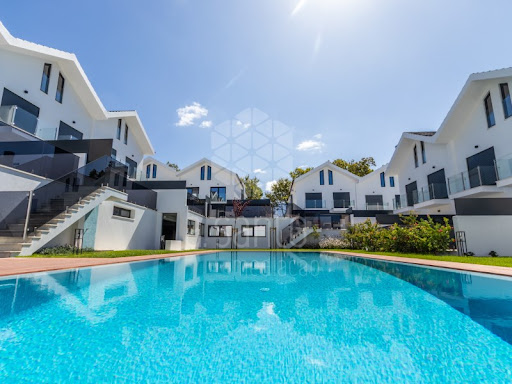
Luxury beachfront apartments and villas in Mascarat, Calpe: Mediterranean living redefinedExclusive new-build development with sea views near the port of Mascarat, CalpeDiscover a new level of coastal luxury with this exceptional property development located next to the picturesque port of Mascarat, between Calpe and Altea on the Costa Blanca. This exclusive project consists of 4 designer villas, 2 penthouses and 8 elegant flats, all with private pools and panoramic views of the Mediterranean Sea and the lively marina. Just 400 metres from the coast, this unique development combines modern architecture, top-quality finishes and an unbeatable location to enjoy an extraordinary lifestyle.Privileged location with excellent connections and servicesStrategically located just 55 km from Alicante International Airport, the development is easily accessible by car in less than 50 minutes. The picturesque marina of Mascarat is just 350 metres away, while the nearest supermarket is only 1.1 km from the residence. The town centres of Calpe and Altea, known for their historic charm, restaurants, boutiques and cultural events, are just a few minutes away. Golf lovers will find the famous Altea Golf Club just 8 km away, and the prestigious Marina Greenwich yacht club is practically on the doorstep.Elegant apartments with private pool and sea viewsThe development offers 6 exclusive apartments, each with spacious terraces, beautiful gardens and a private pool. All apartments have three bedrooms, two bathrooms and an additional guest toilet. All properties have two allocated parking spaces in the secure underground garage, as well as access to a large semi-Olympic communal swimming pool and a panoramic funicular railway connecting the different levels of the community. Each apartment has a basement area with a laundry room and storage room connected to the property.Wonderful duplex penthousesGems in the heights, with large terraces, private access via a private lift and all the comforts of a villa, but with the magic of the most impressive panoramic views. They have 4 bedrooms, 3 bathrooms and a guest toilet. Private swimming pool and basement space with laundry room and storage room and access to the property from the private lift.Designer villas with premium features and total privacyThe 4 luxurious villas have four bedrooms, three bathrooms spread over 2 floors, with open and bright interiors that flow effortlessly into spacious outdoor areas. Each villa has a lift and private swimming pool, its own garage and access to the shared resort-style facilities. High-quality finishes and architectural attention to detail ensure that each home offers maximum comfort, elegance and privacy.High-end specifications and home automation technologyEntrance door with reinforced securityLacquered aluminium exterior carpentry with thermal breakMotorised blackout blinds with home automation controlDesigner kitchens with Silestone worktops and integrated appliancesAerothermal underfloor heating and ducted air conditioningHome automation for lighting, air conditioning, shading and leak detectionTwo private parking spaces per unitExperience the Mediterranean lifestyle in CalpeExperience unique moments by the sea, with unrivalled views and access to one of the most beautiful marinas on the Costa Blanca. Whether as a permanent residence, a ho[IW]
…By Annonceur International


Presenting The Colony Estate--a rare sanctuary where grand-scale architecture, resort-inspired amenities, and natural beauty converge across 3.38 privately gated acres. Encompassing approximately 11,141 square feet among three buildings, this extraordinary estate is ideally positioned between Los Angeles, Santa Barbara, and Malibu, with Camarillo Airport approximately seven minutes away.Impressive 20-foot gates open to a circular driveway framed by manicured lawns, mature landscaping, water features, and guest parking. At the heart of the property is an approximately 9,290-square-foot main residence offering hotel-inspired luxury and architectural drama. A magnificent foyer with an approximately 35-foot ceiling introduces an elegant fireside living room, library, formal dining room with fireplace, and gourmet kitchen with two walk-in pantries.Upstairs, the primary suite features a fireplace, panoramic mountain views, wraparound balcony, lavish bathroom, and expansive walk-in closet. Three additional bedrooms and two full bathrooms accommodate owners and guests. The third floor offers more than 3,000 square feet of versatile open space for recreation, wellness, creative pursuits, or additional accommodations.A separate approximately 898-square-foot guest residence includes a full kitchen, living room, bedroom, and bathroom. The approximately 953-square-foot dining pavilion features retractable pocket doors, fireplace, full kitchen, pizza oven, indoor barbecue, and mountain-view balcony.The grounds unfold like a private resort, with wraparound patios, pebble tech swimming pool, spa, sauna, fountains, fire pit, and pergola--all embraced by lush landscaping and sweeping vistas. Additional amenities include a detached nine-car garage, RV parking, abundant on-site parking, and equestrian zoning.
…By Annonceur International


Nestled within one of Southampton Village's most desirable private communities, 5 Juniper Lane offers the perfect blend of timeless Hamptons charm and modern sophistication. Recently renovated, this beautifully appointed 4-bedroom, 3.5-bathroom residence is thoughtfully designed for effortless year-round living and exceptional summer entertaining.A welcoming covered front porch, complete with porch swings and a comfortable lounge area, sets the tone for the inviting interiors beyond. The sun-drenched great room features soaring double-height ceilings and a wood-burning fireplace, creating a warm yet dramatic gathering space. Seamlessly connected, the recently renovated chef's kitchen showcases quartz countertops, a spacious center island with seating, and an open-concept layout ideal for both everyday living and hosting guests.The home's highly desirable first-floor layout includes both a luxurious primary suite and a junior primary suite, offering exceptional flexibility for owners and visitors alike. The primary suite is filled with natural light and opens directly to the backyard through sliding glass doors, creating a true indoor-outdoor lifestyle.Designed with entertaining in mind, the private backyard is an inviting retreat featuring an expansive deck and patio with covered dining and lounge areas, a heated swimming pool, and an outdoor shower—all surrounded by mature landscaping for added privacy.Located within an exclusive Southampton Village community offering private tennis courts, this exceptional home places you just moments from world-renowned ocean beaches, Main Street shopping, acclaimed restaurants, and everything that makes village living so sought after. Whether as a year-round residence or a summer escape, 5 Juniper Lane presents an exceptional opportunity to experience the very best of Southampton Village living.
…By Annonceur International


Virtually Staged. Welcome to an extraordinary expression of Florida living in The Islands on the Manatee River, an award-winning gated boating community recognized as Best Overall Community (Category 3) in the 2026 Parade of Homes-for an impressive eighth year. From the moment you arrive, life moves at a different pace. Graceful palms, shimmering waterways, beautiful architecture and lush tropical landscapes create an unmistakable sense of arrival, where the spirit of coastal Florida is part of everyday life. Privately situated on just under a half-acre with tranquil northern preserve views, this exceptional 2016 Arthur Rutenberg modified Coquina model offers the best of both worlds: preserve privacy paired with the lifestyle of one of the area's premier boating communities. Offering 3,228 square feet under air and 4,674 total, the residence blends coastal Mediterranean and contemporary West Indies influences with a floor plan designed for relaxed elegance and effortless entertaining. Step inside to soaring 10' to 12'8 ceilings, three architectural tray ceilings and abundant natural light as the open design draws your eye toward the pool and lush preserve beyond. At the heart of the home, the kitchen overlooks the expansive Great Room, keeping everyone connected. GE appliances, solid-wood cabinetry, an expansive island and large pantry combine beauty and function, while the adjoining morning room is perfect for casual meals and morning coffee. The split floor plan features three spacious bedrooms and three full baths, including two en-suites and a third serving as the pool bath. A generous study with solid wood flooring and distinctive rotunda detail creates an inspiring retreat, while a separate bonus room offers endless possibilities as a media room, game room, office or private lounge. Then, open the doors and let life move outdoors. An expanded travertine lanai surrounds a sparkling saltwater pool, spa and cascading waterfall, all framed by the peaceful preserve. Spend afternoons poolside, unwind in the spa, or gather around the custom outdoor kitchen while dinner slowly smokes on the Memphis pellet grill/smoker. With no rear neighbor directly beyond, nature becomes your backdrop and privacy part of the experience. Beautiful tropical landscaping enhances the nearly half-acre setting, while hurricane-impact windows and plantation shutters add comfort and peace of mind. The three-car garage, expanded by approximately 100 square feet, features a mini-split system, added insulation and upgraded LED lighting-creating an ideal climate-controlled workspace for the hobbyist, craftsman or car enthusiast. Throughout, thoughtful care and purposeful enhancements are evident. Beyond your private retreat lies The Islands on the Manatee River-a community shaped by water, nature and coastal Florida living. Beautiful waterways wind through the neighborhood, where boating is part of the culture and the Manatee River becomes your gateway to Florida's spectacular waterways. Begin the morning with coffee overlooking the preserve, spend the afternoon on the water or beside your pool, then return home for dinner beneath the lanai as the Florida evening unfolds. Timeless architecture. Nearly half an acre. Private preserve views. Resort-inspired outdoor living. An award-winning boating community. This is more than a beautiful home. It is where every day feels a little more like a Florida escape. Some photos are virtually staged (furnishings and dcor only).
…By Annonceur International


Exclusive Frontline Luxury Villas in Cala Flores, Cabo de PalosDiscover an extraordinary opportunity to own one of only two exclusive new build villas located frontline to the Mediterranean Sea in the prestigious residential area of Cala Flores, Cabo de Palos. These architect designed homes combine contemporary elegance, premium finishes and spectacular sea views in one of the most desirable coastal locations on the Costa Cálida.Situated in a peaceful and private residential enclave, these luxury villas offer direct access to the Mediterranean lifestyle while remaining close to beaches, marinas, golf courses and all essential services. Cabo de Palos is renowned for its charming fishing port, famous lighthouse, crystal clear waters and world class marine reserve, making it a highly sought after destination for luxury property buyers.Contemporary Architecture with Panoramic Sea ViewsEach villa offers approximately 280 m2 of living space distributed over two main levels plus a spacious basement, all connected by a private lift. Designed with southeast orientation, the interiors are flooded with natural light throughout the day.The homes feature:3 spacious bedrooms with the option to create a fourth bedroom in the basement3 elegant bathrooms plus 2 guest toiletsOpen plan living and dining areasDesigner kitchen fully equipped with premium appliancesLarge terraces and outdoor entertainment spacesPrivate 75 m2 rooftop solarium with breathtaking Mediterranean viewsThe impressive 120 m2 basement includes a complete bathroom and natural light through an English patio, offering endless possibilities for a gym, spa, cinema room, wine cellar, office or guest suite.Luxury Outdoor Living and Private PoolThe outdoor areas have been designed to create a true Mediterranean oasis. Each villa sits on a generous private plot with landscaped gardens and multiple relaxation areas.The private swimming pool includes:Saltwater chlorination systemIntegrated jacuzziWaterfall featureSunken chill out area with submerged loungersThe property also benefits from underground parking with space for several vehicles, providing both convenience and security.Premium Specifications and Smart ComfortEvery detail has been carefully selected to guarantee luxury, comfort and modern functionality.High quality features include:Private lift connecting all floorsFully installed air conditioningLED lighting package throughoutDesigner bathrooms with premium fittingsHigh end kitchen appliancesLarge format windows maximising sea viewsEnergy efficient construction materialsThese villas perfectly combine sophisticated architecture with practical modern living.Prime Location in Cabo de PalosCala Flores is one of the most exclusive residential areas in Cabo de Palos, offering tranquillity, privacy and immediate access to the coast.Key distances include:Mediterranean beach: 0.2 kmCabo de Palos Marina: 2 kmLa Manga Club Golf Resort: 12 kmCalblanque Natural Park: 10 kmMar Menor beaches: 6 kmCartagena city centre: 30 kmMurcia International Airport: 50 kmAlicante Airport: 115 kmThis exceptional frontline villa project represents a unique investment and lifestyle opportunity on the Costa Cálida. Contact us today for more infor[IW]
…By Annonceur International


Completed in 2020, this exceptional ultra-modern luxury residence is perfectly positioned within the prestigious Skylake / Aventura neighbourhood, one of the most desirable residential communities in Miami-Dade County. Combining cutting-edge architecture, advanced smart-home technology and refined craftsmanship, this remarkable property delivers an extraordinary lifestyle in the heart of South Florida. Situated behind controlled gated access on an expansive 14,455-square-foot lot, the residence offers exceptional privacy, security and sophisticated contemporary living. Designed to the highest standards, the home features five luxurious en-suite bedrooms, five beautifully appointed full bathrooms and two elegant powder rooms, including a dedicated outdoor pool bath, creating an ideal environment for both everyday living and large-scale entertaining. Spectacular open-concept interiors are enhanced by 10-foot ceilings and dramatic floor-to-ceiling PGT impact glass, flooding the residence with natural light while creating a seamless connection between the indoor and outdoor living spaces. At the heart of the home lies an extraordinary double Kosher chef's kitchen by Veneta Cucine, thoughtfully designed for culinary excellence and effortless entertaining. Premium Wolf and Sub-Zero appliances, dual refrigerators, double wall ovens, dual dishwashers, dual sinks, gas cooktops and a built-in espresso machine create a truly world-class gourmet environment. Throughout the residence, Italian porcelain flooring, elegant Legrand electrical fittings, motorised window treatments and bespoke contemporary finishes reflect uncompromising attention to detail and timeless sophistication. Engineered for both sustainability and resilience, the property features a brand-new roof completed in December 2025, complemented by solar panels, Tesla Powerwall battery storage, a Tesla vehicle charging station, and a dedicated utility structure, providing outstanding energy efficiency and storm preparedness. Designed for year-round outdoor living, the beautifully landscaped exterior showcases a spectacular heated resort-style swimming pool, expansive entertainment terraces and seamless indoor-outdoor integration, creating the ultimate South Florida lifestyle experience. Ideally located just minutes from Aventura Mall, championship golf courses, Sunny Isles Beach, Bal Harbour, top-rated schools, fine dining and Miami's premier lifestyle destinations, this residence offers the perfect balance of privacy and convenience. A truly turnkey luxury estate that seamlessly combines contemporary architecture, cutting-edge technology, sustainability and resort-inspired living—an exceptional
…By Annonceur International


Located within the prestigious 24-hour gated community of Belle Meade, one of Miami's most exclusive waterfront enclaves, this exceptional new construction Luxury Waterfront Estate is a remarkable expression of contemporary architecture, refined craftsmanship and effortless coastal living. Set on an expansive 10,710-square-foot private lot, the residence offers the perfect balance of privacy, sophisticated design and cutting-edge smart home technology, creating an extraordinary lifestyle in one of Miami's most desirable neighbourhoods. Offering approximately 6,902 square feet of meticulously designed interior living space, this stunning residence has been thoughtfully crafted to maximise natural light, seamless indoor-outdoor living and uncompromising comfort. The home features six luxurious bedroom suites, six beautifully appointed full bathrooms and an elegant powder room, all designed with exceptional attention to detail and refined contemporary finishes. A dramatic oversized pivot entry door opens into a spectacular 21-foot grand foyer, creating an unforgettable arrival experience while introducing interiors defined by soaring 11-foot ceilings, expansive living spaces and sophisticated architectural lines. The open-concept living and entertaining areas flow effortlessly throughout the residence, centred around a bespoke designer chef's kitchen featuring custom cabinetry, a generous walk-in pantry and professional Wolf and Sub-Zero appliances, perfectly suited for both everyday living and elegant entertaining. The outdoor living experience has been designed as a private tropical resort, complete with a stunning heated swimming pool, a fully equipped summer kitchen, covered lounge areas and beautifully landscaped tropical gardens that provide complete privacy throughout the year. Boating enthusiasts will appreciate the property's exceptional 70-foot private dock and direct, bridge-free access to Biscayne Bay, allowing effortless navigation to the Atlantic Ocean and South Florida's world-renowned waterways. Ideally positioned just minutes from the Miami Design District, Midtown, Wynwood, Miami Beach, Downtown Miami and the city's finest restaurants, luxury boutiques and cultural destinations, this residence combines tranquility with exceptional convenience. This extraordinary Trophy Waterfront Estate perfectly embodies the essence of modern Miami luxury, offering timeless architecture, cutting-edge technology, direct boating access and an unparalleled waterfront lifestyle in one of the city's most prestigious gated communities.
…By Annonceur International


Tucked away on a quiet cul-de-sac in the highly coveted neighborhood of prime Walnut Acres, this fully gated and spectacularly reimagined classic Ranch home sits on an expansive, extra-large lot to offer the ultimate private oasis. From the moment you step inside, the seamless blend of timeless charm and modern sophistication is evident in every sun-drenched room, highlighted by gorgeous wood floors and dramatic solid wood beam ceilings. At the heart of the home is a chef's dream kitchen, beautifully remodeled with a sprawling center island and premium stainless steel appliances. The striking living room, anchored by a majestic pitched roof and exposed beams, overlooks the lushly landscaped front yard, while elegant French doors effortlessly transition you outside to a serene patio and al fresco dining area. The backyard is a true entertainer's paradise, where a sparkling pool is framed by a remarkable private orchard boasting 21 thriving fruit trees-including avocado, banana, fig, blood orange, peach, kumquat, and tangerine. Gardening enthusiasts will love the raised, irrigated garden beds ready for seasonal plantings, while golf lovers can perfect their short game on their very own private putting green and sand trap. Complete with a finished garage featuring abundant attic space for your next creative project, 23352 Ostronic Drive delivers an unparalleled indoor-outdoor flow, sublime privacy, and the ultimate space to live out your California dream.
…By Annonceur International


Nestled in a peaceful, unspoiled green setting, this exceptional property perfectly blends the charm of traditional architecture with contemporary high-end amenities. From the moment you enter through the beautifully paved and landscaped driveway, the tone is set : complete privacy, absolute comfort, and breathtaking 180° panoramic views stretching across the countryside to the ocean.Bright and spacious living areas (almost entirely single-level layout) : The heart of the house : A magnificent cathedral-style living room featuring soaring ceilings, an elegant stone feature wall, and a built-in wood-burning fireplace.Reception areas : A dining room overlooking the sea, complemented by two fully equipped kitchens (a main family kitchen and a separate utility kitchen).Private quarters : A private hallway leads to three comfortable bedrooms and to the bathrooms.Upstairs : A generous master suite opening onto its own private terrace, offering a spectacular vantage point over the ocean. Leisure facilities worthy of a private resort : Saltwater swimming pool : Covered and heated for year-round enjoyment.Wellness area : Four-person sauna and a stylish lounge that can be transformed into an outdoor cinema (equipment installed). Summer kitchen : Fully equipped with barbecues and refrigerators, facing an unforgettable panoramic view.An eco-friendly and self-sufficient home : Energy : 24 photovoltaic solar panels with electricity fed back into the grid. Energy rating B, with annual electricity costs of approximately €800.Water : A 190-metre deep borehole connected to a 22 m³ water storage tank with dual pumps supplying separately both the house and the automatic garden irrigation system.Premium materials : Santa Catarina terracotta floors, traditional Portuguese calçada stone paving, recent double glazing PVC, reversible air conditioning, and radiant heating.Outdoor spaces and additional buildings : Extensive landscaped gardens with numerous fruit trees.Several outbuildings, including a greenhouse/workshop, storage shed, chicken coop, and fully equipped laundry room.Ample parking with a double garage and a four-car carport.A unique opportunity on the market. Contact us today to arrange your private viewing.Hometown - Commitment, Transparency and Real Estate ExcellenceSince 2018, Hometown has established itself as a benchmark in the property sector, standing out for its sustained growth and the trust of our clients. Our team acts with professionalism and dedication, maintaining a working environment based on co-operation, transparency and ethics.Why choose Hometown?Close, personalised support, from the first visit to the after-sales serviceExperienced team focused on offering solutions tailored to your needsRecognition in the sector, with two real estate awards won in 2024Unwavering commitment to customer satisfactionAt Hometown, we don't just sell property - we create lasting relationships of trust. Contact us and discover a property service tailored to your expectations. Energy Rating: B ref:HTP-1168
…By Annonceur International


5-bedroom villa with 453 sqm of gross construction area, garden, swimming pool, parking and outdoor parking , set on a 1,232 sqm plot, located in Herdade da Aroeira, Almada.The villa features contemporary architecture and stands out for its excellent natural light, predominantly south-facing orientation and its location in a very quiet and private area.It is distributed over three floors, with a functional layout that clearly separates social, private and service areas. It comprises a living and dining room with fireplace, benefiting from large glazed surfaces and direct connection to the outdoor area, a fully equipped kitchen, five bedrooms, four of which are en suite, including a main suite with walk-in closet, and two additional bathrooms, one full and one guest bathroom.The property features hydraulic underfloor heating, solar and photovoltaic panels, central vacuum system and several storage areas, ensuring high levels of comfort and efficiency.Outdoors, the private garden includes a swimming pool, supported by a borehole and solar system.Herdade da Aroeira spans approximately 350 hectares and offers a gated entrance with security, two PGA golf courses, three tennis courts, a padel court, a tropical swimming pool, a 4-star hotel and a small commercial area.Located a 5-minute driving distance from Fonte da Telha beach, 25 minutes from Lisbon city center and 30 minutes from Lisbon Airport. Energy Rating: B ref:98191
…By Annonceur International


Contemporary Mediterranean villa with sea views for sale in Jávea, between Cabo de San Antonio, Cabo de La Nao and the Montgó Villa Nadaleta interprets the Mediterranean lifestyle through a serene, contemporary and deeply luminous perspective. The property opens towards the landscape with views of the sea, the Montgó and the horizon of Jávea, surrounded by established gardens, palm trees, mature olive trees and an atmosphere of privacy that is perceived from the very first moment. Presented by COSTA HOUSES Luxury Villas S.L ®, this residence combines Mediterranean essence — white façades, tiled roof, natural stone and organic walls — with a contemporary renovation defined by clean lines, large windows and black-framed joinery. The material palette creates a highly refined balance: warm whites, sand-toned stone, natural wood, raw textiles, soft flooring and dark details that bring architectural precision. The main floor concentrates daily life around an open and elegant living-dining area, directly connected to the terrace and garden. Large windows frame the sea and extend the interior towards the exterior, while soft-lined furniture, the bioethanol fireplace and indirect lighting create a warm, contemporary and highly serene atmosphere. The kitchen maintains a refined and functional aesthetic, with handleless cabinetry, natural wood, white fronts, matte black details and a large-format stone central island. Equipped with Siemens appliances, wine cooler and an integrated hidden breakfast area, it has been conceived as a sophisticated, orderly space visually connected to the terraces and landscape. The main suite enjoys direct access to the terrace, sea views, a large dressing room and a bathroom open to light and vegetation. The property offers a total of five bedrooms, all with dressing rooms, five full bathrooms and a guest toilet, with a layout designed to preserve the privacy of residents and guests. On the lower level, a second living room with a bioethanol fireplace opens directly onto the terrace, pool and garden. This floor includes three additional bedrooms, two of them with sea views and exterior access, as well as a room connected to the waterfall garden, reinforcing a feeling of independence, calm and wellbeing. The exterior is one of Villa Nadaleta’s great protagonists. The heated pool, outdoor shower, pool bathroom, fountain, waterfall, ambient lighting, surround sound in the garden, outdoor dining area for ten people and summer kitchen equipped with Siemens appliances create the perfect setting to enjoy the Mediterranean all year round, both during the day and at sunset. The property is completed by a gym area, an independent apartment with bathroom, kitchenette, bioethanol fireplace and views towards the fountain and the sea, as well as a laundry room, storage rooms and parking with pergola for four vehicles. A contemporary Mediterranean villa where the sea, light, stone and vegetation merge into an elegant, private way of living, deeply connected to Jávea.
…By Annonceur International


Modern villa with pool, south-facing orientation and panoramic sea views for sale in Jávea Xàbia Occupying the highest position in Balcón al Mar, where the Mediterranean stretches endlessly towards the horizon, this contemporary villa has just been completed and is ready to be enjoyed from summer 2026. The photographs provide a glimpse of its privileged location, although the real experience is even more impressive: the panoramic sea views, visible from every floor, offer a sense of scale and depth that images can hardly capture. Presented by COSTA HOUSES Luxury Villas S.L ®, internationally awarded and specialised in exclusive properties on the Costa Blanca, this residence has been completely renovated to offer a balanced combination of contemporary design, comfort and construction quality in one of Jávea’s most sought-after residential areas. Located in a quiet cul-de-sac just 1.5 km from Ambolo Beach, the property enjoys a south-facing orientation, abundant natural light throughout the year and an elevated position that guarantees privacy and open panoramic views from the main living area, the suites and the spacious terraces. Every space has been designed to maximise the visual connection with the sea and the surrounding landscape. Set on a plot of approximately 1,000 m2, the villa offers around 320 m2 of built area distributed over three levels. Its architecture combines clean lines, balanced proportions and large glass surfaces that integrate the landscape into everyday living, creating a bright, elegant atmosphere seamlessly connected to the outdoors. The four suites have been conceived as serene and generously proportioned retreats, while the open-plan kitchen flows naturally into the living area and terraces, enhancing the continuity between indoor and outdoor spaces. The swimming pool, chill-out areas and outdoor dining spaces create the perfect setting to enjoy the Mediterranean lifestyle throughout the year. Features include ducted air conditioning with independent room control, enhanced thermal and acoustic insulation, home automation pre-installation, advanced energy-efficiency solutions, indoor and outdoor guest toilets, as well as covered parking for two vehicles, providing comfort and functionality for modern living. VILLA CAP NEGRE represents an exceptional opportunity to enjoy a newly completed contemporary villa with panoramic Mediterranean views from every level, maximum privacy and a privileged location in one of Jávea’s most desirable areas.
…By Annonceur International


Discover the Ideal Villa for Your FamilyWe present a unique luxury property, with interior and exterior walls in uniform stone, set in a generous plot of 3,975 m², where the quality of construction and premium materials stand out in every detail. The main residence consists of an elegant entrance hall, three bedrooms with en-suite bathrooms, one of which is a master, marble walls with dressing room, bathroom with marble walls to the ceiling, office, and a large living and dining room of generous dimensions. The kitchen, modern and functional, has an island and top equipment. Comfort is guaranteed through underfloor heating heated by solar panels, air conditioning and abundant natural light provided by large sliding doors all glazed with stunning views of the garden. It also has electric blinds and curtains, video intercom and connection to smartphone and fiber optics. Outside, you will find a support building with laundry, garage for three cars with independent access and machine room where you can find the heat pump and well controls, water hole, irrigation system etc in addition to access to the garage with capacity for more than 20 cars. This property is complemented by a second building, ideal for leisure and socializing, with a guest bedroom, cinema room, large ballroom with capacity for more than 50 people and with a living room stove, semi-industrial kitchen, changing room and separate toilet. All this heated with radiators and air conditioning in the cinema room. In the outdoor space, there is a magnificent heated swimming pool, manicured gardens, fruit trees, DIY area and area dedicated to animals, with 2 cages and terraces for dogs, and spaces dedicated to birds, ducks, turtles, fish, etc. An exclusive property that offers comfort, privacy and sophistication. More than a house, a true lifestyle. Your dream lives here! ref: 835769
…By Annonceur International


Luxury beachfront apartments and villas in Mascarat, Calpe: Mediterranean living redefined Exclusive new-build development with sea views near the port of Mascarat, Calpe Discover a new level of coastal luxury with this exceptional property development located next to the picturesque port of Mascarat, between Calpe and Altea on the Costa Blanca. This exclusive project consists of 4 designer villas, 2 penthouses and 8 elegant flats, all with private pools and panoramic views of the Mediterranean Sea and the lively marina. Just 400 metres from the coast, this unique development combines modern architecture, top-quality finishes and an unbeatable location to enjoy an extraordinary lifestyle. Privileged location with excellent connections and services Strategically located just 55 km from Alicante International Airport, the development is easily accessible by car in less than 50 minutes. The picturesque marina of Mascarat is just 350 metres away, while the nearest supermarket is only 1.1 km from the residence. The town centres of Calpe and Altea, known for their historic charm, restaurants, boutiques and cultural events, are just a few minutes away. Golf lovers will find the famous Altea Golf Club just 8 km away, and the prestigious Marina Greenwich yacht club is practically on the doorstep. Elegant apartments with private pool and sea views The development offers 6 exclusive apartments, each with spacious terraces, beautiful gardens and a private pool. All apartments have three bedrooms, two bathrooms and an additional guest toilet. All properties have two allocated parking spaces in the secure underground garage, as well as access to a large semi-Olympic communal swimming pool and a panoramic funicular railway connecting the different levels of the community. Each apartment has a basement area with a laundry room and storage room connected to the property. Wonderful duplex penthouses Gems in the heights, with large terraces, private access via a private lift and all the comforts of a villa, but with the magic of the most impressive panoramic views. They have 4 bedrooms, 3 bathrooms and a guest toilet. Private swimming pool and basement space with laundry room and storage room and access to the property from the private lift. Designer villas with premium features and total privacy The 4 luxurious villas have four bedrooms, three bathrooms spread over 2 floors, with open and bright interiors that flow effortlessly into spacious outdoor areas. Each villa has a lift and private swimming pool, its own garage and access to the shared resort-style facilities. High-quality finishes and architectural attention to detail ensure that each home offers maximum comfort, elegance and privacy. High-end specifications and home automation technology Entrance door with reinforced security Lacquered aluminium exterior carpentry with thermal break Motorised blackout blinds with home automation control Designer kitchens with Silestone worktops and integrated appliances Aerothermal underfloor heating and ducted air conditioning Home automation for lighting, air conditioning, shading and leak detection Two private parking spaces per unit Experience the Mediterranean lifestyle in Calpe Experience unique moments by the sea, with unrivalled views and access to one of the most beautiful marinas on the Costa Blanca. Whether as a permanent residence, a holiday retreat or an investment, this development offers an exclusive combination of luxury, nature and lifestyle. Contact us today to arrange a private viewing and secure your dream home by the sea.
…By Annonceur International


Luxury beachfront apartments and villas in Mascarat, Calpe: Mediterranean living redefined Exclusive new-build development with sea views near the port of Mascarat, Calpe Discover a new level of coastal luxury with this exceptional property development located next to the picturesque port of Mascarat, between Calpe and Altea on the Costa Blanca. This exclusive project consists of 4 designer villas, 2 penthouses and 8 elegant flats, all with private pools and panoramic views of the Mediterranean Sea and the lively marina. Just 400 metres from the coast, this unique development combines modern architecture, top-quality finishes and an unbeatable location to enjoy an extraordinary lifestyle. Privileged location with excellent connections and services Strategically located just 55 km from Alicante International Airport, the development is easily accessible by car in less than 50 minutes. The picturesque marina of Mascarat is just 350 metres away, while the nearest supermarket is only 1.1 km from the residence. The town centres of Calpe and Altea, known for their historic charm, restaurants, boutiques and cultural events, are just a few minutes away. Golf lovers will find the famous Altea Golf Club just 8 km away, and the prestigious Marina Greenwich yacht club is practically on the doorstep. Elegant apartments with private pool and sea views The development offers 6 exclusive apartments, each with spacious terraces, beautiful gardens and a private pool. All apartments have three bedrooms, two bathrooms and an additional guest toilet. All properties have two allocated parking spaces in the secure underground garage, as well as access to a large semi-Olympic communal swimming pool and a panoramic funicular railway connecting the different levels of the community. Each apartment has a basement area with a laundry room and storage room connected to the property. Wonderful duplex penthouses Gems in the heights, with large terraces, private access via a private lift and all the comforts of a villa, but with the magic of the most impressive panoramic views. They have 4 bedrooms, 3 bathrooms and a guest toilet. Private swimming pool and basement space with laundry room and storage room and access to the property from the private lift. Designer villas with premium features and total privacy The 4 luxurious villas have four bedrooms, three bathrooms spread over 2 floors, with open and bright interiors that flow effortlessly into spacious outdoor areas. Each villa has a lift and private swimming pool, its own garage and access to the shared resort-style facilities. High-quality finishes and architectural attention to detail ensure that each home offers maximum comfort, elegance and privacy. High-end specifications and home automation technology Entrance door with reinforced security Lacquered aluminium exterior carpentry with thermal break Motorised blackout blinds with home automation control Designer kitchens with Silestone worktops and integrated appliances Aerothermal underfloor heating and ducted air conditioning Home automation for lighting, air conditioning, shading and leak detection Two private parking spaces per unit Experience the Mediterranean lifestyle in Calpe Experience unique moments by the sea, with unrivalled views and access to one of the most beautiful marinas on the Costa Blanca. Whether as a permanent residence, a holiday retreat or an investment, this development offers an exclusive combination of luxury, nature and lifestyle. Contact us today to arrange a private viewing and secure your dream home by the sea.
…By Annonceur International


Exclusive Residential Complex in Nueva Andalucia, Marbella Luxury and Avant-Garde Design in a Privileged Location Discover this stunning residential complex of 113 luxury homes, designed with innovative architecture that reinterprets the traditional Andalusian courtyard, allowing natural light into each home. Located in Nueva Andalucía, Marbella, this residential complex offers an exclusive environment surrounded by the best services: schools, shops, supermarkets, clinics, restaurants and cafés. Only 5 minutes from Puerto Banús and 10 minutes from Marbella centre, it is located in one of the most prestigious areas of the Costa del Sol. The ‘Golf Valley’ - A Prestigious Setting Nueva Andalucía is known as the ‘Golf Valley’, thanks to the presence of five renowned golf courses: Aloha Golf Club Real Club de Golf Las Brisas Los Naranjos Golf Club La Quinta Golf & Country Club Dama de Noche Golf Club In addition to its incredible panoramic sea and mountain views, this area stands out for its high quality of life, security and exclusivity. First Class Services and Communal Areas This residential complex is designed to offer a unique experience of comfort and wellbeing, with first class facilities: Outdoor swimming pool surrounded by gardens and relaxation areas. Indoor swimming pool, gym and spa, with a luxurious atmosphere. Modern coworking area, ideal for teleworking. Social club with cinema, for entertainment and private events. 24-hour video surveillance system for maximum security. Luxury Qualities and Advanced Technology Each home is equipped with the best materials and state-of-the-art technologies, ensuring maximum comfort and efficiency: Large format flooring that unifies interiors and exteriors. Floor-to-ceiling windows for greater luminosity. Home automation to control lights, blinds and security. Zoned heating and air conditioning with underfloor heating. Designer kitchens with energy-efficient appliances. 2 parking spaces and storage room included in the price. Strategic Location - Close to Everything This exclusive residential allows you to enjoy Marbella and its surroundings with great comfort: Puerto Banús - 5 minutes. Marbella Centre - 10 minutes. Puente Romano - 10 minutes. Malaga International Airport and train station - 30 km. Invest in a Luxury Property in Marbella Whether for year-round living or as an investment, this newly built complex in Nueva Andalucía represents a unique opportunity in one of the most exclusive areas of Spain. Contact us today to arrange a viewing and secure your luxury home in Marbella.
…By Annonceur International


We facilitate the sale of an exclusive villa under construction, located in an exceptional location – second row from the sea, with an open panoramic sea view. This representative property is designed with exceptional attention to every detail and offers a perfect blend of contemporary design, construction quality, and luxury. LAYOUT AND FEATURES: Basement floor: – Garage – Hallway, technical room, laundry room – Staircase, anteroom, elevator Ground floor: – Entrance area, guest WC – Kitchen, dining room, and open-concept living room – Gym, sauna, and relaxation area – Direct access to covered and uncovered terraces First floor: – Entertainment room – Five bedrooms, each with its own bathroom and balcony – Staircase and elevator ADDITIONAL FEATURES: Infinity pool approx. 70m2 Spacious terrace for relaxation and socializing Tennis court and children's playground Mediterranean garden with old olive trees and indigenous plants All floors connected by internal staircase and elevator TOP QUALITY CONSTRUCTION: Structure: reinforced concrete, 61 tons of steel Partition walls: Knauf (waterproof + diamond board) Exterior joinery: Schüco aluminum, triple glazing, 6-chamber profiles Entrance door: Inotherm glass, 2.70 x 1.60 m Floors: ceramic tiles (Stil Matt), marble, and oak parquet – ultra first class LUXURY AND COMFORT: Every room is designed for maximum comfort and privacy. All bedrooms have their own bathrooms, and the modern decor, elegant furniture, and premium materials create an atmosphere of sophistication and relaxed luxury. Planned completion and move-in: spring 2026. For more information and to arrange a property presentation, feel free to contact us. Jadranko +385 99 422 7890 [email protected] Trg Drage Iblera 10 (Importanne galleria), 10000 Zagreb
…By Annonceur International


4 bedroom villa of excellence, located in a premium area a few meters from the beach of São Pedro do Estoril. This two-story home offers the perfect balance of comfort and sophistication. On the ground floor (floor 0), you will find a spacious suite, a fully equipped closed kitchen and a large living room with 39.49m2, ideal for socialising and relaxing. On the ground floor (1st floor), two bedrooms with generous wardrobes and a magnificent 22m2 suite with east-facing balcony and full bathroom.With very high quality finishes, this villa also has a patio with 75.80m2, perfect for outdoor moments. On the -1 floor, a garage with 79m2 offers plenty of space for parking and storage.Inserted in an exclusive condominium with communal pool and green areas, this villa has all modern amenities, including air conditioning in all rooms, solar panels for greater energy efficiency and video surveillance system for total security. A unique opportunity in a dream location! Energy Rating: A+ ref:RE10767AG
…By Annonceur International


4 bedroom villa of excellence, located in a premium area a few meters from the beach of São Pedro do Estoril. This two-story home offers the perfect balance of comfort and sophistication. On the ground floor (floor 0), you will find a spacious suite, a fully equipped closed kitchen and a large living room with 39.49m2, ideal for socialising and relaxing. On the ground floor (1st floor), two bedrooms with generous wardrobes and a magnificent 22m2 suite with east-facing balcony and full bathroom.With very high quality finishes, this villa also has a patio with 75.80m2, perfect for outdoor moments. On the -1 floor, a garage with 79m2 offers plenty of space for parking and storage.Inserted in an exclusive condominium with communal pool and green areas, this villa has all modern amenities, including air conditioning in all rooms, solar panels for greater energy efficiency and video surveillance system for total security. A unique opportunity in a dream location! Energy Rating: A+ ref:RE10766AG
…By Annonceur International


A rare find in the Saint-Rémy-de-Provence area, this delightful 1930s home has been tastefully renovated and offers an enviable lifestyle where everything is within walking distance. Behind its character-filled façade lies a warm, light-filled interior. The ground floor features a beautiful open-plan living area combining the kitchen, dining space, and lounge. A separate toilet completes this level. The upper floor is dedicated to the sleeping quarters, comprising four bedrooms and a bathroom. A true green oasis in the town center, the garden is a standout feature, boasting magnificent Mediterranean trees and majestic pines that provide welcome shade and privacy. Several relaxation and dining areas allow you to enjoy every moment of the day, whatever the season or position of the sun. The swimming pool blends harmoniously into this lush setting. A charming wooden outbuilding completes the property. Standalone and featuring its own private garden, it includes a bedroom, a shower room, and storage space—an ideal setup for hosting guests in complete independence. Having undergone a recent, comprehensive renovation, the house requires no further work. Simply move in and immediately enjoy a privileged lifestyle that combines peace and nature with immediate proximity to shops and amenities. Information on the risks to which this property is exposed is available on the Géorisques website: www.georisques.gouv.fr
…By Von Peerc Immobilier - Saint-rémy-de-provence


EXCLUSIVE CONTEMPORARY VILLA IN ROQUEFORT-LES-PINS A new contemporary villa project, currently under construction and offered for sale under VEFA, the French regulated off-plan purchase system. Set in a peaceful green environment, the villa enjoys a dominant position with open views over the surrounding hills and the Mediterranean Sea. Designed with generous volumes, large terraces and plenty of natural light, the villa will offer 4 to 5 bedrooms with bathrooms and dressing areas, as well as an independent guest studio. The property will feature a heated swimming pool with a beach area, landscaped gardens with olive trees, an underground garage and several parking spaces. High-quality materials and finishes are planned throughout, with a fireplace, gym, spa and wine cellar. Ideally located close to golf courses, a tennis academy, international schools and Club Med, with easy access to Sophia Antipolis, the beaches, the A8 motorway and Nice International Airport. The information about the risks to which this property is exposed is available on the Géorisques website: georisques.gouv.fr.
…By Coldwell Banker Standing Realty


The advertiser did not provide an english description for this listing.
…By Cadre D'envies


This elegant early 20th century Dadant manor house immediately captivates with its authenticity, generous volumes and the preserved charm of its period features. Behind its authentic lines, the residence reveals a majestic vestibule setting the tone from the entrance: remarkable ceiling heights, fluid circulation, antique materials and a warm atmosphere combine to create a rare and refined living space. The ground floor features a characterful living room enhanced by an antique fireplace, a truly intimate and elegant reception room. The house then extends into a spectacular living space of over 60 m2, combining an open-plan kitchen and dining area in a bright and welcoming atmosphere. A second period fireplace further emphasizes the authenticity of the property. The magnificent original cement tiles , perfectly preserved, fully contribute to the unique character of this residence. A rare and highly sought-after asset: an independent professional space with a street-facing storefront, currently rented for 600 per month, offering immediate income or the possibility of a freelance activity. The vestibule also provides access to a cellar of approximately 25 m2 . A floor dedicated to family life The first floor offers a harmonious layout around two distinct sleeping areas. The first wing houses: Four beautiful bedrooms, an office, A dressing room? The second wing, bathed in light thanks to its south-facing exposure, comprises: a fifth chamber, a bathroom, a laundry room, A separate toilet. A wooded park with multiple possibilities A true haven of greenery, the property benefits from an adjoining plot of 1,660 m2 offering a rare and preserved living environment. The landscaped garden includes: A perfectly integrated swimming pool Numerous shaded areas ideal for relaxation, two wells, Mature vegetation creates a peaceful and intimate atmosphere. The land, which is buildable, opens up particularly interesting prospects: guest house, extension, family project or long-term heritage enhancement. Additional ground-floor spaces complete the complex, including a technical area, shower room/WC and storage areas. This property of character offers a rare balance between architectural charm, generous volumes and potential for development. An ideal home for a large family, a charming residence or a heritage project in a pleasant and green environment.
…By Sabine Vattino


Located in a quiet residential neighborhood, just a stone's throw from downtown, this elegant character house built in the 1930s has undergone a complete and careful renovation. It offers approximately 320 m² of living space on three levels, set in superb landscaped grounds of nearly 1,000 m², fully enclosed, with a recent swimming pool and outbuildings. The charm is apparent from the moment you arrive: a majestic period facade, highlighted by stone frames and an ornate ironwork canopy, sets the tone. Once inside, the atmosphere harmoniously blends old-world charm with modernity. The parquet floors, generous volumes, and natural light offer a refined and warm living environment. On the first floor, the living areas are centered around a 40 m² double living room, perfect for large gatherings or cozy evenings, extended by a convivial 23 m² dining room. The contemporary, fully equipped kitchen covers 29 m² and features a large worktop, ideal for food lovers. A bedroom, a functional laundry room, and a toilet complete this level. The upper floor has two large bedrooms, each measuring 18 m², a 12 m² office ideal for teleworking, a shower room, a separate toilet, and a superb 18 m² dressing room worthy of the most beautiful fashion boutiques. On the top floor, the converted attic space offers two 18 m² attic bedrooms, a shower room, and a 34 m² games room: the perfect space for children or guests, with a warm and independent feel. Outside, the garden is a true haven of peace. A beautiful lawn surrounds the new 6x3 m swimming pool, perfectly integrated into the landscape, while century-old trees provide coolness and privacy. Under the stone arches, a summer lounge invites you to relax in the shade, in a Mediterranean spirit. A barbecue area is also provided for lovely evenings with friends. On the practical side, the house has a double closed garage and several parking spaces. No work is required: everything has been carefully renovated, from the electricity and plumbing to the parquet floors, door frames, paintwork, kitchen and bathroom fittings, and a refurbished roof. A complete, high-quality renovation, designed to last. Finally, the immediate environment is an added bonus: you are close to schools, shops, transportation, and services. All this in a quiet residential street, where life is good every day. An elegant and rare family home, ready to welcome your most beautiful life projects. Video available on request. Translated with DeepL.com (free version)
…By Espaces Atypiques Drome-ardeche


In L'Isle-sur-la-Sorgue, this recent individual house of approximately 130 m2 offers a comfortable and contemporary living environment on a plot of 975 m2 with a swimming pool. Designed to prioritize space and light, it combines beautiful living areas, a generous garden, and quality amenities, all in a calm and preserved environment, without any overlooking neighbors.Built in a peaceful residential area, the house is spread over two levels. From the entrance, one discovers a friendly living space with an open kitchen and a large living/dining area of over 40 m2, facing southwest, ideal for enjoying beautiful light throughout the day and extending living moments outdoors. The ground floor also includes a bedroom with its adjoining shower room, an office that easily adapts to remote work or other uses depending on needs, as well as a pantry and a toilet, for a practical and well-organized daily life.The upper floor includes the main sleeping area with two additional bedrooms, a bathroom, and a second toilet. This layout allows for a clear distinction between living and resting areas while maintaining a fluid flow throughout the house. Recent finishes and modern comfort, supported by quality equipment, contribute to creating a serene and pleasant atmosphere.Outside, the 975 m2 plot is designed to fully enjoy nice days. The pool is set at the heart of a garden that offers different relaxation areas, complemented by terraces allowing for outdoor meals, moments of rest, or receptions. The layout of the land, without overlooking neighbors, favors intimacy and a sense of tranquility. Several parking options are available on the property, complementing a garage of approximately 50 m2 that provides valuable space for storage, DIY, or leisure activities.The house also benefits from modern amenities that contribute to daily comfort: reversible air conditioning, electric roller shutters, electric gate, fiber internet, as well as a borehole for garden irrigation. Together, they create a harmonious, practical, and easy-to-live-in environment, suitable as both a primary residence and a vacation home in this sought-after commune of Vaucluse.Technical characteristics- Energy Performance Certificate (DPE): ALegal notices:The information presented in this announcement has been prepared by Zefir from the elements communicated and available at the time of its writing. They are provided for informational purposes and are intended to complement, without replacing, the regulatory diagnostics as well as the technical and administrative verifications carried out as part of a real estate transaction. For any official information related to natural, mining or technological risks, we invite you to consult the resources provided by the public service Géorisques. Zefir supports buyers with seriousness and transparency throughout their project. For any questions, contact Zefir at 07 57 91 70 93.This description has been automatically translated from French.
…By Zefir
'%20stroke='%23DDAA3A'%20stroke-width='1.909'%20stroke-linecap='square'%20stroke-linejoin='bevel'/%3e%3c/svg%3e)
Receive by email any new listing that may match your search criteria
By validating this form, you accept the general conditions of use of Le Figaro Properties.
These agencies offer a selection of luxury properties vente . Feel free to contact them for personalized assistance.