Get early access to listings that match your criteria
Never miss an opportunity again. Our personalized alerts notify you instantly.

 English$ USD · m²


An architectural gem exuding history and prestige for sale in Provence. Perched above a village overlooking the magnificent Provençal landscapes and the Côtes du Rhône vineyards, this château is a true treasure. It stands out for its private grounds of nearly 10 hectares, where around 20 deer roam freely, making it a unique and attractive holiday setting. In excellent condition throughout, the château presents 25 ensuite bedrooms, numerous reception areas, lounges, a restaurant and a seminar room. Its facilities include a swimming pool, a tennis court and outbuildings with great potential for future development. One of the plots of land is suitable for construction (to create up to 1,500 sq.m of new living space). The property therefore offers real development potential through the creation of new spaces capable of attracting a high-end clientele. Idyllically located, the estate is just 10 minutes from the A7 motorway (Europe's busiest strategic traffic route). Avignon TGV station is 40 minutes away, Marseille airport is 1.5 hours away, and Lyon airport is 2 hours away. Combining elegance and serenity, this exceptional property is waiting patiently for a new owner to write the next chapter in its history.
…By Emile Garcin - Drome & Ventoux


Located in the heart of the Périgord Vert, amidst the rolling countryside of Mareuil-en-Périgord, the Château de Beaulieu sits in a pristine setting just minutes from the local shops and amenities. Listed as a Historic Monument, its estate of approximately 75 hectares comprises gardens, meadows and woodland, creating an atmosphere of great serenity. Built in the 18th century and flanked by two medieval towers dating from the 15th century, the château is laid out in an elegant U-shape. A majestic avenue of ancient horse chestnut trees leads to the main courtyard, enclosed by wrought-iron gates. To the rear, a stone pool extends the vista across the garden before opening onto the meadows and woods. The main building, constructed of limestone and topped with a slate roof in excellent condition, offers approximately 900 sq.m of living area in need of complete renovation. A monumental staircase sets the tone upon arrival. Spacious reception rooms flow into one another, enhanced by remarkable French-style ceiling beams, while the upper floor boasts a ceiling height of 4.50 metres. Cut-stone fireplaces, former outbuildings converted within the two wings, a chapel, and an attic featuring a remarkable timber framework all testify to the property's architectural quality. Currently stripped back to its shell, the building nonetheless presents a sound structure with a roof in excellent condition. This could be an exceptional renovation project, whether for use as a private residence or a commercial venture. The Château de Beaulieu was once the home of designer André Dubreuilh, and he left his mark on the main courtyard with a magnificent mobile sculpture. Standing out for its history, architecture and setting, the Château de Beaulieu will appeal to any heritage enthusiasts seeking to restore a magnificent residence to its full splendour.
…By Emile Garcin - Perigord


Magnificent château dating from 1880, offering approximately 1,060 sqm of living space and 22 main rooms, including spacious reception lounges and guest bedrooms already in operation. Part of the property remains to be renovated, offering significant potential for further development. The outbuildings are arranged around a large courtyard and include several structures: a renovated pavilion with 6 bedrooms, fully operational gîtes, additional spaces currently being fitted out for accommodation and events, as well as planning permission granted for an orangery dedicated to hosting events. Set within a 13-hectare estate featuring a pond, woodland, and meadows, the property enjoys an exceptional natural environment. Easy access to major road networks, located 20 km from Moulins, 8 km from Le PAL (wildlife and leisure park), and close to all amenities. Ideal for a tourism or events-based project (weddings, seminars, guest accommodation). Sale price including agency fees: €850,000 Fees payable by the buyer Agency fees: 5% incl. VAT of the net seller price, i.e. €40,476 Net seller price: €809,524 Energy rating: F Climate rating: F Estimated annual energy costs for standard use: between €25,640 and €34,740 per year (prices indexed as of 01/01/2021). Information on potential risks related to this property is available on the Géorisques website: www.georisques.gouv.fr
…By Agence Mercure Auvergne


Nestled in the heart of the Loire Valley, less than 10 minutes from the Royal Château of Chinon, this magnificent estate features an elegant 18th-century château, a charming caretaker's house (or guest cottage), and a collection of outbuildings, all set within more than 9 hectares (22 acres) of beautifully landscaped parkland with ponds, meadows and woodland. Presented in excellent condition throughout, the château impresses with its refined architecture, generous proportions and high-quality appointments. Flooded with natural light, it offers elegant reception rooms, a fully equipped kitchen opening onto a superb terrace overlooking the surrounding countryside, eight spacious bedrooms and six bathrooms. Ideally located less than 7 kilometres (4.3 miles) from Chinon and only 50 kilometres (31 miles) from the centre of Tours, the estate enjoys an exceptional setting within approximately 9 hectares of private grounds. A picturesque river gently crosses the property, creating a peaceful and idyllic environment where nature and elegance exist in perfect harmony. The outbuildings, also meticulously maintained, offer exceptional development potential. They are ideally suited for creating luxury guest accommodation, holiday cottages, boutique hospitality, private event spaces or additional residential living areas, depending on the future owner's vision. Combining historic charm, modern comfort and an outstanding natural setting, this remarkable estate offers a rare opportunity to acquire an exceptional property in one of the Loire Valley's most sought-after locations.
…By Val De Loire Sologne - Sotheby's International Realty


Located in the heart of the legendary D-Day Landing Beaches, this remarkable historic estate enjoys an exceptional position within walking distance of Juno Beach, one of the most significant sites of the Allied landings of June 6, 1944. The property is also just minutes from the renowned Canadian Memorial and Juno Beach Centre, making it a place of profound historical resonance, particularly meaningful for North American and Canadian families. Set in a charming seaside town on the celebrated Côte de Nacre, only 20 minutes from Caen and approximately 2.5 hours from Paris, the château offers a rare opportunity to live within one of the most iconic landscapes of World War II history, while enjoying the tranquility and beauty of the Normandy coast. Perched on a natural promontory overlooking its surroundings, this elegant 17th-century château, listed as a Historic Monument, stands as the final vestige of a former fortified site. Fully restored in the aftermath of World War II, the property offers approximately 528 sqm (5,683 sq ft) of living space, combining historic character with generous proportions and abundant natural light. Accessed via a graceful horseshoe staircase, the main level features an entrance hall, a kitchen with utility room, a magnificent dining room of approximately 60 sqm with fireplace, and two reception salons ideal for entertaining. The upper floors provide 10 bedrooms and 6 bathrooms, served by a handsome stone staircase. The château is distinguished by the harmony of its stone façades, the quality of its craftsmanship, and refined architectural details, including beautifully sculpted dormer windows. Inside, several decorative elements have been carefully recreated in keeping with the original spirit of the residence, including period mouldings, parquet flooring, and finely detailed woodwork. At garden level, vaulted cellars testify to the site’s ancient origins. A substantial outbuilding of approximately 390 sqm, with independent access, further enhances the property and offers significant potential for guest accommodation, events, or hospitality use. The fully enclosed park, landscaped with mature trees and extending over 1.16 hectares (2.86 acres), includes a well, a double garage, and an elegant gated entrance. A truly unique historic estate at the heart of the D-Day story — where heritage, remembrance, and coastal living come together in an extraordinary setting.
…By Kretz & Partners


At the gates of Dauphiné, an emblematic castle listed as a historical monument. The estate is situated within a vast fortified enclosure of about one kilometer, whose ramparts recall its original defensive purpose. The castle, a major stronghold of medieval Dauphiné, was built starting in the 13th century and then altered up to the Renaissance, following a U-shaped plan around a large inner courtyard. The main body, built of limestone and rubble, rises three levels above the courtyard. The façades are widely pierced with mullioned windows and animated, on the courtyard side, by arcade galleries and Renaissance loggias, which testify to the gradual transformation of the fortress into a noble residence. The ensemble is flanked by a round tower from the 14th century, a square tower, and a preserved dungeon, while several remnants of curtain walls remain. The steep roofs, covered with flat tiles forming a multicolored diamond pattern or pepperpot style, are punctuated by dormers and high chimney stacks. To the east, a path leads to the entrance porch. To the south, the French gardens open onto a wooded park. A concierge's lodge and old stables are located near the main house, completing the historical organization of the site.This description has been automatically translated from French.
…By Patrice Besse


This château, a true jewel of French history, offers 1,150 m² of living space across the entire estate. Reached by a private driveway of nearly one kilometre, it gradually reveals itself in the heart of 30 hectares of unspoilt countryside. Set in an elevated position overlooking the Dordogne Valley, this château is a true rarity in the Périgord Noir. It features 17 bedrooms spread across the château, the caretaker's house and a fully renovated guest house, combining modern comfort with authentic character. Exposed beams, wooden floors, panelling, fireplaces, stone and terracotta tile floors create a harmonious blend of historic charm. The grounds include a magnificent landscaped park, a swimming pool with its pool house, and a gym. A true gem for lovers of history
…By Kretz & Partners


Between Besançon and Vesoul, on the heights of a village in undulating countryside, a castle dating back to the 15th century, rebuilt in the 19th century, set in approx. 1.8 hectares of parklands with unobstructed views. Comprising three wings around an inner courtyard and approx. 315 m² (3,815 sq ft) of living space, it comprises ten or so main rooms, including five bedrooms and three bathrooms. Dovecote, caretaker's cottage, garages, outbuildings... Two other buildings away from the castle with adjoining land. Spacious, very luminous, in a quiet, nuisance-free setting. Location: A dozen kilometers from Rioz (shops and services), approx. 30 kilometers from Besançon (TGV train station), 20 kilometers from Vesoul, 120 kilometers from Dijon, 150 kilometers from Basel airport. Fees payable by the vendor Energy class : G Climate class : G Estimated annual energy costs for standard use: between €7.940 and €10.742 per year. Prices indexed to January 1, 2021. Housing with excessive energy consumption: Class G. From January 1, 2028, the performance level is between classes A and E. Information on the risks to which this property is exposed is available on the GeoHazards website: www.georisques.gouv.fr.
…By Agence Mercure Bourgogne-franche-comté


Gothic Castle in Normandy – A prestigious estate at the heart of Norman Switzerland In the heart of beautiful Suisse Normande, close to Clécy, Caen and the beaches of Normandy, this 19th century neo-gothic castle offers a rare opportunity to acquire a historic estate of character, ideal for a private residence, hotel project or event activity. Built on about 1.7 hectares of landscaped park, the castle seduces with its romantic and majestic architecture: stone facades, slender windows, vertical lines typical of the Gothic style and strong architectural presence. Surrounded by mature trees and green gardens, the estate benefits from a preserved natural setting, intimate and easily accessible. The house has kept many original elements, offering an authentic and refined atmosphere. The generous volumes, high ceilings, antique fireplaces, woodwork and large openings give each room a timeless elegance. The castle includes 7 suites with private bathrooms, large reception rooms and beautiful living areas, perfectly suited to accommodate a high-end clientele or a large family residence. Formerly operated as a guest house and charming hotel, the estate already has a favorable configuration for the development of commercial activity. The 2 independent cottages offer additional possibilities for seasonal rental, guest accommodation or staff housing. Thanks to its unique architecture, natural surroundings and reception areas, the property also has great potential for weddings, retreats, private seminars or exclusive events. The exteriors, composed of landscaped gardens, open spaces and wooded areas, reinforce the charm of the place and offer a peaceful environment with beautiful views of the Norman countryside. A prestigious residence, heritage asset and investment opportunity, this Gothic castle in Normandy combines history, elegance and potential income in one of the most sought after areas of the region. Fees to be paid by the seller. Property with excessive energy consumption : Energy class F, Climate class E Estimated average amount of annual energy expenditure for standard use, based on the year's energy prices 2021: between 9670.00 and 13150.00 €. Information on the risks to which this property is exposed is available on the Geohazards website: georisques.gouv.fr.
…By Exp Global France


16th and 19th centuries castle. 594 m². 2 reception rooms. Guest house. Ourtbuildings. Pool. 7,7 ha of land. 12 km far from Vichy. Ref 1053.
…By Pierre Changarnier Immobilier
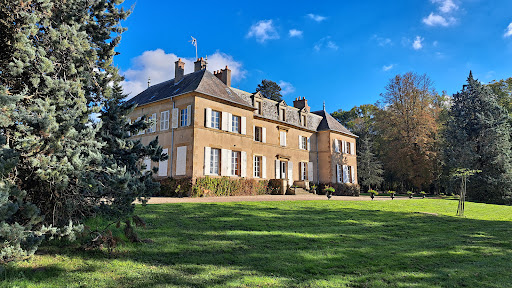


Elegant castle of the seventeenth, eighteenth and nineteenth centuries of 589 m² of living space. A second floor of 262 m² can be converted. Three houses for rental use. Outbuildings. Swimming pool. Pleasure park, land and woods for a total of 53 ha. Located at the gates of Moulins. Ref 1014.
…By Pierre Changarnier Immobilier

Partially listed in the Supplementary Inventory of Historic Monuments, this château boasts significant heritage value and is set within a remarkable natural landscape, opening onto a park, woodlands, and a pond. Fully restored, the property offers nearly 1,000 m² of high-end living space. Expansive reception rooms and numerous suites and bedrooms define a residence where spaciousness, light, and elegance blend seamlessly. Over 600 m² of restored outbuildings complement this exceptional estate, offering extensive possibilities for hosting guests or enjoying a refined lifestyle. A rare property combining heritage, architectural excellence, and the art of livingone of the finest estates in the Sologne region. Confidential dossier available upon qualified request.
…By Fonciere Jeanne D'arc


Located 10 minutes from Lille downtown, in a peaceful and green setting in Loos, this remarkable château will appeal to lovers of historic residences and character properties. Offering generous volumes and strong renovation potential, this property combines architectural charm, heritage, and authenticity. From the moment you enter, the château reveals all the charm of period features through its wood paneling, original parquet floors, exposed beams, and impressive ceiling heights. The ground floor includes a vast and bright living room with generous proportions, an elegant reception dining room, and a kitchen. An old chapel, directly accessible from the living room, adds exceptional character to the property with its brick vaults and preserved historic architecture — a true testimony to the estate’s rich past. Upstairs, a landing leads to three bright bedrooms and two bathrooms, offering spacious accommodation and numerous layout possibilities. On the top floor, a large convertible attic completes the property. This space, which requires renovation work, could accommodate various projects depending on needs: additional bedrooms, an office area, or an independent suite. Outside, the tree-lined garden is ideal for fully enjoying the natural surroundings while remaining in immediate proximity to Lille. Steeped in history, the Château de Landas is believed to date back to the Middle Ages and is said to have hosted King Louis XIV during the Siege of Lille in 1667. It is also renowned for its spectacular relocation on rails in the 1960s to allow the construction of the A25 motorway — an emblematic episode in the preservation of regional heritage. A rare property combining history, charm, and significant renovation potential in the heart of the Lille metropolitan area.
…By Barnes Lille


100 km from Paris - Normandy - Medieval chateau and its estate of 6 independent houses - Excellent condition - 13 hectares free of lease - Superb garden - River - Dovecote. Listed Historic Monument. Listed and classified site. Rouen, Normandy. 100 km from Paris, on the edge of a charming Norman village, nestled in a valley bordered by a river gently winding through the landscape, this medieval chateau rises vertically, attached to an octagonal tower in the middle of superb classical gardens crossed by the river. Around the chateau and its dovecote, 6 independent houses form an estate converted into a regional art center in 1970, which has enjoyed an exceptionally brilliant artistic life up to the present day through the work and exhibitions of internationally renowned artists such as Victor Vasarely, Salvador Dalí, Georges Mathieu, Fernand Léger, Gérard Fromanger, Robert Combas, Erró ..., some of whom created portraits of the property. The cultural activity developed through exhibition halls, a boutique, a restaurant, a museum, administrative offices, three apartments and two residential thatched cottages. 1°) The chateau of approximately 550 m² over five levels, consisting of a square keep attached to an octagonal watchtower. 6 large exhibition or reception rooms over 3 levels (2 per level), featuring beautiful decorative elements including a monumental 15th-century coat-of-arms fireplace; a private apartment on the 2nd floor including two bedrooms, two bathrooms and a kitchen/dining room. 2°) The dovecote of approximately 55 m² containing its original timber framework with its internal rotating ladder beneath a pepper-pot roof. 3°) A caretaker's house of approximately 180 m² in 19th-century brickwork (office on the ground floor and caretaker's accommodation with 4 rooms, plus an apartment on the 1st floor including two bedrooms and a bathroom). 4°) A pigeon house of approximately 20 m² housing three visitor restrooms and a water-softening station. 5°) Former stables of approximately 160 m² with restored half-timbering over two levels, housing the estate boutique. Large hall, storage area; upstairs, a studio and a bathroom. 6°) An 18th-century half-timbered house of approximately 110 m² over 2 levels converted into a museum. 7°) The tea room restaurant, known as “La Cascade”, of approximately 200 m² on a single level, comprising a 70-seat dining room, kitchen, storage rooms and a large terrace by the river. Two toilets upstairs and PRM-accessible toilets on the ground floor. 8°) Two independent residential thatched cottages of approximately 120 m² and 80 m² — each over two levels. Large living room, 3 bedrooms. A laundry room, two additional rooms, a studio, bedroom, bathroom, kitchen. Independent access. 9°) An agricultural outbuilding of approximately 100 m² used as a storage shed and workshop. This hamlet, expressing a typically Norman charm, is set in the heart of a 13-hectare park combining high-quality formal French gardens in front of the chateau and an English-style garden nestled within the curves of the river crossing the property. Private visitor parking at the entrance for 42 cars. Historic Monument protection: Facade and roof of the dovecote (cad. AB 72): listed by decree dated 21 November 1985; Facades and roofs of the residence (cad. AB 71): listed by decree dated 26 April 1991. Listed and classified site. Gas-fired central heating for the chateau. Oil-fired central heating for the thatched cottages. Mains drainage. 4 access points. Property tax: 5,000 euros/year Insurance: 5,000 euros/year A full-time couple of gardeners. Location: 100 km from Paris. 25 km from Rouen, all shops and services, hospital, train station, Paris in 1h16. Bus line in the village, Rouen in 30 minutes. First shops and services in the village at 400 meters. Price: 2,982,000 euros agency fees included (including 6.1% agency fees payable by the buyer). Including fees of 6.5% TTC to be paid by of the purchaser. Price excluding fees 2 800 000 €. Not subject to DPE. Information on the risks to which this property is exposed is available on the Geohazards website: georisques.gouv.fr.
…By Denniel Immobilier


Exclusive listing - Precious and refined gardens - ELEGANT 18TH-CENTURY CHATEAU SUPERBLY RESTORED - Authentic high-quality 18th-century decoration - Pyrenees - Bigorre - 1h30 from Biarritz and the Atlantic coast. Restored with exquisite taste over the past 25 years by a passionate aesthete, this elegant 18th-century chateau with its symmetrical classical architecture is nestled within a precious and refined green setting of boxwood embroidery gardens, topiaries, a maze, and a green theatre at the foot of the Pyrenees, 1h30 from Biarritz and the sea. Built around 1750, this elegant country residence has survived in a remarkable state of authenticity, retaining its original decorative elements: wooden floors, stone and terracotta tile floors, wood paneling, fireplaces, overmantels, wainscoting, and double doors. This balanced, human-scale architecture perfectly expresses the French art of country living in the 18th century, flooded with light from every side, with a reception ground floor composed of beautiful interconnected 18th-century salons. The central “calade” pathway, typical of southern France, crosses the boxwood embroidery gardens and topiaries in a magical and refined atmosphere, leading to the grand staircase of the majestic central projection and then to the entrance hall with its highly authentic stone floor, opening in every direction onto sequences of salons bathed in light through large-paned windows with dual exposure. The grand dining room opens fully south toward the village facing the church, through a large staircase leading to a boxwood embroidery parterre separated from the village by a moat. The interior of the chateau is typical of everything the French 18th century can offer in terms of refinement and art de vivre, particularly through the 5 beautiful interconnected salons adorned with their 18th-century décor, wide-plank wooden floors, terracotta tiles, fireplaces, overmantels, Versailles parquet flooring, woodwork, and paneled walls. A dining room with wood paneling adjoining the kitchen, service staircase, and service corridor. An 18th-century alcove bedroom. A library with Empire-style woodwork. A study decorated with richly painted faux-marble wood paneling. 2 WCs; one possible bathroom. Grand staircase with an 18th-century carved wooden banister. On the first floor, a large hall, 8 bedrooms, most decorated with magnificent hand-printed wallpapers of museum quality made by a renowned specialist, fireplaces, overmantels, and built-in wooden cupboards. Two bathrooms, including one in marble with a beautiful early 20th-century marble and pitchpine vanity unit. A large salon with a service staircase leading to the kitchen. Large cellars, including a grand chateau kitchen in the basement. The most remarkable outbuilding is the sumptuous monumental orangery with three south-facing arcades and particularly refined and spectacular architecture. The acroterion cornice supports four Louis XIV-style flame pots, giving this building exceptional elegance, as well as extraordinary comfort for enjoying the garden through the draped arcades beneath monumental ceiling heights. A large barn converted into an event hall equipped with a stainless-steel kitchen. A charming farmyard bordered by a henhouse and a shelter with particularly elegant wooden columns. A discreet and authentic chapel beneath a blue vaulted ceiling painted with stars, terracotta tile flooring, and a remarkable 17th-century polychrome carved wooden altarpiece. In a nearby building accessed by a calade pathway: the former kitchens, three beautiful rooms with terracotta floors, beams and fireplaces, and a large attic ready for conversion. Two exterior WCs. Enchanting boxwood gardens created 20 years ago of exceptional quality, with dreamlike viewpoints, composed in front of the chateau of particularly sophisticated and refined boxwood embroidery gardens and topiaries. On the village side, a terrace of embroidery gardens as well. To the side, crossing a small bridge over the former moats sheltering a romantic streamside garden, the majestic semi-circular terraced green theatre unfolds around a water feature bordered with schist stone. Monumental yew pilasters rising above hornbeam and beech hedges lend an architectural grandeur to this landscaped folly. A perspective lined with sculptures along hornbeam and beech hedges. An extraordinary and rare green maze formed from beech hedges worthy of the greatest 18th-century chateaux. This garden is an exceptional work of art, reflecting a rare mastery of the art and history of gardens in Europe; planted 20 years ago, it has now reached full maturity, offering exceptional beauty and atmosphere. Swimming pool integrated into ornamental basins with marble coping stones. Three entrances with large 18th-century pillars and gates. A free parcel of land suitable for parking outside the park. The chateau is fully listed as a Historic Monument. Two wells, irrigation pump. Oil-fired central heating in three-quarters of the chateau. Annual property tax: 549 Euros. Location: -143 km from Biarritz -30 km from Lourdes, international airport -26 km from Pau, international airport -20 km from Tarbes, international airport Price: 1,393,600 Euros agency fees included (fees payable by the seller). Fees to be paid by the seller. Not subject to DPE. Information on the risks to which this property is exposed is available on the Geohazards website: georisques.gouv.fr.
…By Denniel Immobilier


ENCHANTING 18TH-CENTURY CHATEAU IN PERFECT CONDITION IN A REGIONAL NATURAL PARK 1H40 FROM PARIS - Museum-quality 18th-century interior decoration - 18 hectares - Monumental greenhouses 100 meters long - Private 5-hectare lake - Riverbank - Abbeville, Somme. Overlooking the splendid natural site of the Somme Valley, this 18th-century masterpiece with its highly refined symmetrical brick-and-stone architecture, inspired by a landmark 18th-century architectural treatise, rises atop a series of monumental south-facing terraces sheltering some of the largest private greenhouses in France, stretching 100 meters in length. The 18-hectare classical and romantic landscaped park is bordered for 1 km by the river and includes a 5-hectare lake dotted with small peninsulas. The chateau, flooded with light throughout the day thanks to its East-West orientation, features sumptuous sequences of salons and bedrooms adorned with painted and gilded rococo woodwork housing original paintings by Jean-Baptiste Huet, creating an enchanting décor enhanced by the magnificent south-facing views over the valley from the salons. The architecture of the chateau, of remarkable virtuosity, presents a classical symmetry reminiscent of the architecture of the Hôtel de Biron, now the Musée Rodin in Paris, completed in 1737. The architect Charles-Étienne Briseux began the chateau in 1733 and published the plans in his work “L'Art de bâtir les maisons de campagne” in 1743. Pierre de Buissy, son of the original patron, completed the interior decoration around 1763. His portrait by Joseph-Siffred Duplessis is held in the Ottawa Museum and is currently featured in a major exhibition in Carpentras under the direction of the Louvre. It is said that the splendor of the chateau originated from a youthful romance he allegedly had at Versailles with Adélaïde de France, daughter of Louis XV, and that he wished to receive her at his chateau in order to marry her. Inside, after ascending the grand central staircase, the ground floor, flooded with light all day long and lavishly appointed, is arranged around an oval stone hall decorated with antique-style pilasters and a black-and-white cabochon floor. It opens onto an exceptional dining room with 18th-century painted wood paneling decorated with vegetal motifs and adorned with two oil-on-canvas paintings on the theme of Love by Jean-Baptiste Huet (1745–1811), whose works are displayed in the world's greatest museums, including the Louvre, the MET in New York, and the V&A in London. The ground floor continues with the gilded salon featuring white-and-gold woodwork with dual exposure, decorated with a beautiful marble fireplace, followed by the spectacular Zodiac Salon, flooded with light from triple East, South and West exposures and offering sumptuous views over the valley. It is decorated with 12 zodiac sign paintings, a marble fireplace, large double interior doors, and Versailles parquet flooring. A magnificent staircase with faux-marble painted walls and a wrought-iron banister leads to the upper floors. A sumptuous oval bedroom decorated with floral painted woodwork and paintings by Jean-Baptiste Huet, with a marble fireplace. A library with superb decorative features. A small hall, WCs, and a winter garden provide access to the outbuilding wing. On the first floor, four bedrooms with bathrooms, some decorated with white-and-gold woodwork, two salons with wood paneling including a particularly beautiful rotunda salon, a small dining room, a kitchen, and an office with a dumbwaiter. On the second floor, five bedrooms, two bathrooms, a workshop/laundry room, and a large room ready for conversion. A large cellar. In the outbuildings with their superb symmetrical 18th-century architecture: a magnificent and large chateau kitchen with rustic décor of beams and joists, terracotta tile flooring, stone sink, marble worktop, ceramic tiles, and monumental fireplace. A workshop. An independent studio: kitchen, bedroom, bathroom. A large ground-floor “museum” room in the former orangery. Two large car garages. A caretaker's house. A large barn, former stable, former cowsheds, and a dovecote. A large independent house in good condition, with two garages. Enclosed parkland of 189,081 m² with numerous stabilized pathways. A lake of more than 5 hectares. 1 km of riverbank along the Somme River, recently restored and in excellent condition. Superbly maintained gardens with a wide variety of flowers and roses. Three south-facing masonry terraces overlooking the Somme River. Monumental and rare 19th-century greenhouses, leaning against the terrace, in perfect condition and recently restored, sheltering lush vegetation. Three entrances: a monumental 18th-century wrought-iron gate facing the chateau; a gate leading to the outbuilding courtyard; and a gate at the far end of the park. Historic Monument protection: The chateau, the park, and the avenue leading to the entrance: listed by decree dated 28 January 1944. The facades and roofs of the outbuildings; the dovecote and the two greenhouses in their entirety (cad. AK 77, 70, 79): listed by decree dated 1 December 2003. Connected to mains drainage. Property tax: 4,500 euros per year. Heating: heat pump with forced air system and electric radiators/convectors on the 2nd floor. Location: -162 km from Paris, 1h40 via motorway. -163 km from CDG and Le Bourget airports, 1h30. -10 km from the motorway. -40 km from the sea and beaches (Le Crotoy, Cayeux-sur-Mer). -6 km from supermarkets. -18 km from all shops and services in Abbeville. Paris in 1h30 by train. -38 km from all shops and services in Amiens. Paris in 1h by train. Price: 7,900,000 euros agency fees included, payable by the seller. Fees to be paid by the seller. Not subject to DPE. Information on the risks to which this property is exposed is available on the Geohazards website: georisques.gouv.fr.
…By Denniel Immobilier


Set on 18 hectares between vineyards, olive groves and equestrian areas, this 18th-century property combines historical charm and modern comfort. The main farmhouse, meticulously restored, is complemented by quality cottages and apartments, ideal for a family residence or hospitality business. Three swimming pools, a fitness area, and landscaped gardens complete this exceptional estate, offering breathtaking views of the Vaucluse region, near the Dentelles de Montmirail and Mont Ventoux.
…By Demeures Du Grand Sud


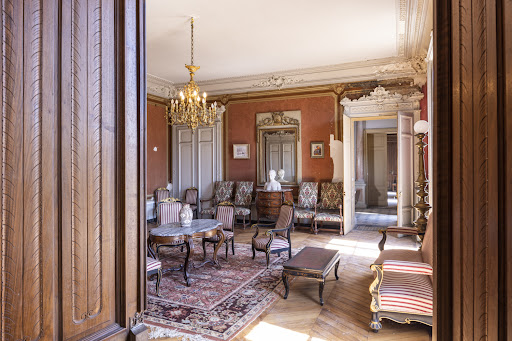
19th century château with beautiful views, set in the middle of 7 hectares enclosed, 2600 m² built, 40 rooms across 3 floors. Slate roofs, cut stone, noble materials. Complementary housing and outbuildings. Renovations needed. Wine cellar, vaulted cellars. Stables with boxes, saddle room, barns, pigeon loft, chicken coop. The clock tower completes the ensemble. Large park, centenary trees, pebbled water feature with its island, spring. The estate operates directly 14 hectares of vineyard in close proximity to the wine cellar (maximum 1 km radius), at altitudes between 350 and 425 m, spread over 3 plots of granite terroir in the AOP Beaujolais Villages area with Chardonnay and Gamay grape varieties. Producing Wines of France or IGP with other grape varieties is possible. The cathedral-like wine cellar, shaped like an L, covers 160 m² and enables the vinification of more than 15 hectares. Three vaulted cellars totaling 350 m² underground will be used for aging the wines. A Château brand supports the marketing of the wines. The equipment and facilities can be purchased additionally (pneumatic press, tanks, pumps, etc.). Ideal for a comprehensive project, event hosting, rural tourism. 20 minutes from TGV/A6/A40.This description has been automatically translated from French.
…By Vinea Transaction Bourgogne Beaujolais


Ref. 3879 Norman 17th C. chateau and its outbuildings for sale at 135km from Paris The property is located in Normandy in the heart of the wooded region of the Pays d'Ouche which marks the departmental limits between the Eure and the Orne. It is in the middle of 'nowhere' in a very rural context that this elegant property, built nearly four centuries ago, stands out in a most natural setting, sheltered by a long tree-lined driveway that arouses curiosity and maintains the mystery to its end. A haven of peace if there ever was one, this property bears witness to this in the most beautiful way, without being cut off from modern life and its essential amenities that everyone can find in the nearby town, which is only a few minutes away (doctors, pharmacy, hospital, supermarkets, elementary school and college). The road and rail systems make it possible to escape from the capital in less than two hours, which makes any residential or holiday project possible. The chateau comprises a main body flanked by two square towers elegantly topped by a four-sided roof, with the return of a Mansard-style building that breaks the symmetry displayed while creating a warm and more intimate living area. The whole is in traditional flint covered with plaster with a brick chainwork of the openings. The property has 3 levels developing a living space of about 650 sqm distributed as follows: On the ground floor: central entrance adjoining a hall with staircase, serving on the left an office with alcove, living room with marble fireplace, parquet floor and molded ceiling to follow; bedroom in the tower. wc. Crossing gallery. To the right dining room with fireplace, kitchen, bedroom and hallway. Mansard wing with a second entrance with porch, various technical rooms (storerooms, vegetable room, electrical room), linen room, storeroom, wc. Office in gable. On the first floor: it is divided between a private part composed of 2 bedrooms, shower room, bathroom, dressing room, toilet, and a rental part serving 6 bedrooms, 5 of which with shower/bathroom/toilet and an independent shower room. On the second floor: a rental part including 2 bedrooms with shower room/bathroom/dressing room; bedroom. Independent shower room/wc. Crossing gallery ensuring a pleasant and functional distribution. 6 other rooms are waiting to be renovated, all water/electricity reservations being acquired. The property has no basement cellar but benefits from the presence of a crawl space. The ceiling heights are around 2.80m on the first floor. We will keep their original names adopted by the current owners: Le Verger: it is a long flint building adorned with bricks of about 500sqm renovated on 2 levels, topped with dormers and covered with flat tiles. This building was extended in 2009 in order to make it operational for weddings, seminars, conferences and accommodation. On the ground floor: reception room, catering kitchen/sanitary facilities for disabled persons/technical room/room/shower room/wc (for disabled persons). On the mezzanine: children's room and overhead projection room. On the first floor: bedroom with bathroom and toilet, dormitory with 8 beds, toilet for men and women. Le Fruitier: Building in flint under tile to renovate composed of cellar/fruitier and storeroom, surmounted by an attic. The Stable: Building in flint under slates including a double garage (2 cars), a technical room (Electricity and booster) / former stables. Attic on the whole (probable old housing of the coachman + storage of the fodder). The well: small elegant brick shelter with a 4-sided roof. A long avenue of about 350m leads to the front of the property, bordered on its left by a beautiful grassland where 2 horses are running and on its right by a vast parking lot (lit). The park is laid out in the English style, respecting the perspective from which the chateau benefits, and forming an embrace to a vast and very welcoming lawn. Numerous species, some of which are over a hundred years old, prevent any visual inconvenience due to the flatness of the land. We can see Sequoia, Ginkgo-Bilobas, acacia, cedar, beech, chestnut, pine, cherry tree, tulip tree, chestnut tree without forgetting the wisteria, Virginia creeper and other flowerbeds that enchant the facades. The orchard gathers some apple trees, cherry trees and mirabelle trees. A pretty pond collects the water purified by the mini biological station. The whole constitutes an entity of 5ha 66a without servitudes, nor any noise, visual or olfactory nuisances. The acquisition of an additional piece of land at the back of the property can be considered. We invite you to visit our website Cabinet Le Nail to browse our latest listings or learn more about this property. Cabinet LE NAIL - Basse-Normandie - Mr Eric DOSSEUR : +33 (0)2.43.98.20.20
…By Cabinet Le Nail


At the heart of a peaceful village near Vonnas and Châtillon-sur-Chalaronne stands a splendid 18th-century property, formerly a convent of canonesses, set on grounds of approximately 8,500 sqm. The property comprises an elegant 18th-century residence, extended in the 19th century with a tower that lends it the allure of a château, along with an annex house and various outbuildings. Running north to south, the main house enjoys beautiful natural light. It rises over full cellars, above a garden level and two upper floors, totalling 805 sqm (including the second floor at 285 sqm, more simply appointed). Fine decorative features add to the charm of this house, arranged around a majestic entrance hall. The ground floor holds three reception rooms — one of 36.85 sqm opening onto the grounds — a kitchen, a laundry room, two bathrooms and a lavatory. The first floor offers seven bedrooms, a bathroom and a lavatory. On the second floor: eleven rooms, some used as summer bedrooms. The annex house, with a surface area of 120 sqm, contains on the ground floor a kitchen, a living room and a lavatory, and upstairs three bedrooms and a bathroom. Adjoining this house: two garages of 41 and 15 sqm. A further outbuilding comprises two rooms of 25 and 39 sqm, one used as a garage, topped by a large storage space. Attached car port. As every jewel deserves its setting, the grounds fulfil this role to perfection, with their fine ornamental trees, flowering beds and an intimate, bucolic atmosphere. Owing to the remarkable qualities of this property, the main residence benefits from protection under the Historic Monuments classification, which offers a favourable tax framework designed to encourage the works needed to restore this beautiful residence to its full splendour. Lyon city centre 1 hr away; Geneva 1 hr 30. TGV station in Bourg-en-Bresse (20 min). ---------------------------- Sale price: €925,000 Agency fees payable by the buyer: 6% incl. tax Price excluding fees: €872,641 Energy class: not applicable Climate class: not applicable Estimated annual energy costs for standard use: not applicable. Information on the risks to which this property is exposed is available on the Géorisques website: www.georisques.gouv.fr
…By Agence Mercure Lyon-rhône Alpes


Réf. 4661 : Monumental castellan ensemble in Berry, near a renowned sanctuary In the historic province of Berry, within the Indre département, we present an impressive castellated ensemble located at the meeting point of two distinct natural regions: the Champagne Berrichonne and the Boischaut Nord. The former is a gently undulating landscape of open plains dedicated to cereal cultivation, stretching between the Indre and Cher départements. The latter, with more pronounced relief, is characterised by woodlands and hedgerows, interspersed with streams feeding into the nearby River Indre. Paris lies 280 km to the north, and Tours less than 100 km away. Châteauroux, the local administrative centre, is under 30 km from the estate and offers all the amenities and services of a mid-sized town, including a station on the Paris–Toulouse rail line and access to the A20 motorway. For day-to-day needs, the small town of Buzançais is less than a ten-minute drive. The region also enjoys considerable appeal from a tourism perspective. The Val de l’Indre Golf Course is just 11 km away, while the Brenne Regional Nature Park—also known as the Land of a Thousand Lakes—is only slightly further afield. The European Route d’Artagnan, dedicated to equestrian tourism, passes directly by the château, which is fully equipped to accommodate both horses and riders. Most notably, the property lies just minutes from the Marian sanctuary of Pellevoisin. Following a recent decision by the Vatican and a full renovation of its facilities due for completion by 2026, the sanctuary is expected to attract a significant increase in pilgrim visitors in the coming years. The history of the château is closely linked to the Brillac, or Brilhac, family, who are believed to have acquired it through marriage around 1300. At the end of the 15th century, Charles de Brillac, Master of the Household to King Louis XII, rebuilt the old medieval fortress. The new château he had constructed is characteristic of a transitional period. It retains the appearance of a medieval castle with ostentatious military architecture (keep, machicolated towers), while its layout already reflects that of a pleasure residence. Later, from 1636 onwards, another lord of the estate, Jean Phelyppeaux, seigneur of Buzançais and Palluau, added significant outbuildings forming a U-shape around a lower courtyard. Finally, after 1830, the De Lamotte family transformed the château’s south wing into a modern three-storey residence, with floors dedicated respectively to service, reception, and family life. This is how the castle complex appears to us today. The property comprises a group of buildings where the château proper can be distinguished from the outbuildings. The château includes a listed section with a keep and two round towers with conical roofs and a machicolated walkway. The keep rises over five floors and is flanked at the corners by three watchtowers and a stair tower. The first floor is a vast hall with ribbed vaulting. The upper floors each feature a large room of around 80 m² with monumental fireplaces. The central tower, known as the Brillac tower, has four floors, the top three each containing a room of approximately 40 m², with monumental fireplaces. The last tower has two levels of bedrooms, one of which includes an antechamber and a bathroom. These three towers are connected by two galleries on two levels. On the ground floor, peristyles with flamboyant Gothic-style decoration. On the upper level, one open arcaded gallery and one enclosed gallery with monumental fireplaces. The 19th-century residence is a long, classically styled building with two main floors, flanked by towers. The ground floor includes the service areas: a large stone-paved kitchen, a vestibule with staircase and mezzanine, and various small rooms. The first floor, divided by a fine cross hallway, is a reception area with a large wood-panelled drawing room, a small salon, and a study. The top floor is an intimate living space with a library, four bedrooms, dressing rooms and antechambers, and two bathrooms. Each floor of the residence has approximately 220 sqm of living space. Outbuildings: The outbuildings offer nearly 3,000 sqm of available space, mainly grouped within a long 17th-century structure arranged in a U-shape around the lower courtyard. Built over two levels, including an attic floor, the building is roofed with traditional flat clay tiles. The attic is lit by gabled or mill-style dormer windows with triangular pediments. The various sections comprise: -A corner pavilion, roofed in slate and converted into a caretaker’s house of approximately 150 sqm of habitable space. -The so-called 'Eastern Outbuildings', featuring the entrance porch to the village and large rooms fitted out as a local history museum. -At the corner, a bread oven and a three-storey round tower with a conical roof and adjoining spiral stair turret. -The 'Northern Outbuildings', an extensive wing including: A communal kitchen for around 60 people; Five bedrooms accommodating between 1 and 11 guests, each with an individual shower room; A refectory or banquet hall; A secondary dining area known as the 'Arcade Room'; Two small kitchens; Communal WCs and showers. -A corner pavilion containing a two-room apartment awaiting conversion. The 'Western Outbuildings', housing: A central heating plant; A workshop; A tack room; Stables and storage areas. Separated from the western outbuildings by a second arched gateway leading into the estate is a 19th-century barn with large timber doors, roofed in slate and currently used for storing agricultural vehicles. Additional features on the estate include: -A mill housing a 19th-century micro hydroelectric power station. -A charming lakeside pavilion, in need of restoration. -A large timber storage barn. The estate extends over a total area of 35.7 hectares and is entirely enclosed by a perimeter wall measuring approximately 2.5 kilometres in length—an exceptional feature. The grounds are criss-crossed by paths that divide the property into several distinct zones: Ten hectares of arable land, currently under direct cultivation. A large horse paddock of just over 2 hectares, located to the rear of the western outbuildings. An enclosed field of 3.5 hectares. -A pond of slightly more than 3 hectares, complete with its own pavilion. -A reference orchard featuring several varieties of quince trees. -An avenue lined with eight apple trees. -Meadows and pastureland. The rental situation : The château currently hosts small groups for training sessions. However, the accommodation and reception capacities of the outbuildings make it entirely feasible to welcome larger groups—whether on foot, on horseback, or by coach—and even to host prestigious events in a truly majestic setting. The following parts are classified as Historic Monument : as per the 1930 decree, the three eastern towers with machicolations, along with the two wings that connect them. This property is a historic monument (allowing fiscal tax cuts if you pay taxes in France). Cabinet LE NAIL – Berry - Limousin - Mr Christian MAUVE : +33(0)2.43.98.20.20 Christian MAUVE, Individual company, registered in the Special Register of Commercial Agents, under the number 437 693 534. We invite you to visit our website Cabinet Le Nail to browse our latest listings or learn more about this property.
…By Cabinet Le Nail


Just a few minutes from Bar-le-Duc and the Meuse TGV–Lorraine TGV station—which offers access to Paris in less than an hour—and near the legendary Voie Sacrée, this remarkable 18th-century estate combines heritage, nature, and the art of living in an environment of rare tranquility. Built in the heart of an 8.7-hectare enclosed park, crisscrossed by a stream and dotted with century-old trees, footbridges, a wrought-iron gazebo, and a tennis court, the property offers nearly 732 m² of living space, comprising a main house of approximately 432 m² and an elegant detached pavilion of approximately 300 m², as well as garages, outbuildings, and an indoor swimming pool. From the moment you enter, the main house reveals the full grandeur of its architecture. Its baluster staircase, generous ceiling heights, original stone floors, marble fireplaces, trumeaux, and spacious reception areas. The reception rooms blend warmth and refinement. A winter lounge with a fireplace opens onto a spectacular summer garden bathed in light thanks to large windows overlooking the grounds. The dining room opens onto the terraces, while the kitchen blends harmoniously into the home’s layout. The sleeping quarters feature five bedrooms and several bathrooms, as well as two attic spaces with the potential to be converted into additional sleeping quarters. The entire property has been meticulously maintained.
…By Barnes Proprietes & Chateaux


In the heart of a peaceful environment, this remarkable 482 m² château, built between the 11th century and the Renaissance, offers a rare alliance of authenticity, prestige, and comfort. Nestled in an enclosed park of 8,936 m², it will delight lovers of historical homes in search of an extraordinary place.From the entrance, a majestic stone staircase leads to the different levels and sets the tone for an exceptional visit. The generous volumes reveal a succession of reception salons, including a vast summer living room and an elegant winter lounge with the oldest fireplace in the château. A large family kitchen with its impressive period fireplace completes the living spaces. The château offers several bedrooms, including a superb master suite inspired by Louis XV, a guest room with an ensuite bathroom, as well as numerous character rooms: an arts lounge, a hunting room, a champagne room, a smoking room, an artist's studio, and even a private chapel. Leisure enthusiasts will appreciate a vast gym and games room equipped with several pool tables. An impressive vaulted cellar, inherited from the medieval part, enriches this unique heritage. The landscaped park, adorned with century-old trees, a small house for children, and six independent garages, provides a privileged living environment where calm and intimacy reign. Steeped in history, the château has notably welcomed pilgrims on their way to Santiago de Compostela and still preserves authentic testimonies of World War II in its medieval part. The roof of the entire château, as well as the garages, has been completely renovated, allowing for a serene enjoyment of this residence in excellent overall condition, immediately habitable. A rare property where each room tells a story and every detail reflects several centuries of architecture and art de vivre. An exceptional estate intended for heritage enthusiasts, luxury residence projects, guest house, or event purposes. Agency reference: 2935This description has been automatically translated from French.
…By Orpi - Simon Immobilier


Saint Emilion region - Sole agency. Set on 1.25 hectares (approx. 3.09 acres), this charming château dating from 1850 offers 314.5 m² of living space, with an additional 78 m² attic suitable for four extra bedrooms. Nestled in a private setting, it enjoys stunning views over the vineyards towards Saint-Émilion, while remaining within easy reach of local shops and restaurants. Accommodation: Ground floor: welcoming entrance hall, sitting room with open fireplace, cosy TV room, elegant dining room, fully equipped kitchen/breakfast room, guest cloakroom. Lower level: private wine cellar, utility room, boiler room, bright office with garden access. First floor: master bedroom with ensuite bathroom, three further bedrooms, family bathroom, two additional WC’s. Attic: large bathroom, four attic spaces with excellent potential for conversion. Features & Amenities: Indoor swimming pool (12 x 6 m) in a glazed structure with dedicated pool building Double garage, potential for conversion Children’s wooden house Parcel of 0.2204 ha AOC Bordeaux vines, managed by neighbouring winemaker Oil-fired central heating and open fireplace Two septic tanks (one installed in 2006/2007) Starlink internet connection Beautiful gardens with mature trees, stone fountain, well, and two gated entrances This elegant château requires some renovation works, perfectly combines historic charm, comfort, and practicality — an ideal family home or second residence with expansion potential in one of Bordeaux’s most sought-after areas.
…By Maxwell-baynes Residential And Vineyards - Christie's International Real Estate


This estate stands out for its remarkable setting and generous proportions. It includes a main house, an attached barn, a guest or guard house, an independent barn, and a swimming pool—all situated on more than 30 hectares of rolling countryside and wooded parkland. This historic French residence has remained exceptionally well-preserved. The property is accessed via a driveway leading from a quiet road and opens onto expansive lawns bordered by woods. The façade is distinguished by its ivy covering, traditional terracotta tiles, white shutters, and a central belvedere. The estate offers exceptional privacy: lawns, mature hedges, notable trees, and forest edges create a peaceful environment. Its elevated location provides unobstructed views of the surrounding countryside and, in the distance, the Pyrenees mountains. Inside, the house retains numerous original features, such as exposed oak beams, terracotta floors, a stone fireplace, and spacious reception rooms. The entire property exudes authentic character, with potential for renovation to suit individual preferences. The house offers two lounges, a dining room, a kitchen with dining area and fireplace, a games room, a library, several utility rooms, and nine bedrooms. Ideal for a family home, holiday retreat, or guest accommodation, this property combines distinctive architecture, a natural setting, and tranquility in the heart of the Gers countryside.
…By Le Bonheur Immobilier
'%20stroke='%23DDAA3A'%20stroke-width='1.909'%20stroke-linecap='square'%20stroke-linejoin='bevel'/%3e%3c/svg%3e)
Receive by email any new listing that may match your search criteria
By validating this form, you accept the general conditions of use of Le Figaro Properties.
These agencies offer a selection of luxury properties vente . Feel free to contact them for personalized assistance.