Get early access to listings that match your criteria
Never miss an opportunity again. Our personalized alerts notify you instantly.

 English$ USD · m²


Luxury Villa in Podstrana with Pool, Sea Views and High-End FeaturesSet in an attractive location in Podstrana, within a peaceful and pleasant residential setting, this modern, fully furnished and equipped villa stands out with its contemporary design, high-quality construction and extensive range of features designed to provide a high standard of living throughout the year.The villa offers 220 m² of living space on a 605 m² plot and is arranged over a semi-basement, ground floor and first floor. One of the property's key advantages is its open sea view, private swimming pool and exceptionally high level of technical construction and equipment.Designed for Comfortable LivingThe ground floor features a spacious open-plan living room with dining area and modern kitchen, together with a practical pantry/storage room, one bedroom and a bathroom. The living area opens onto a covered terrace, outdoor area and pool, creating a seamless connection between the interior and exterior spaces.The first floor comprises a further three bedrooms, each with its own bathroom, as well as a loggia and spacious terrace overlooking the sea.The villa offers:4 bedrooms5 bathroomsliving room, dining area and modern kitchenkitchen pantry/storage roomlaundry roomtechnical roomgarage for two carsstorage room next to the garage2 additional outdoor parking spacesPrivate Pool and Landscaped GardenThe outdoor area has been designed to fully embrace the Mediterranean lifestyle. The villa features a heated swimming pool with an electrolysis system, a landscaped garden with automatic irrigation, as well as a covered terrace and barbecue – ideal for relaxing and entertaining family and friends.The open sea view further enhances the appeal of the property and creates a beautiful atmosphere throughout the year.High-Quality Construction and Energy EfficiencyParticular attention has been paid to the quality of materials, insulation and technical systems:solar panels and a solar hot water systemunderfloor heating throughout the villainverter air-conditioning units in all roomsvideo surveillance systemautomatic garden irrigation10 cm external thermal insulation with EPS6 cm internal insulation with glass woolanthracite aluminium windows and doorstriple-glazed windowsautomated roller shuttershigh-quality stone used throughout the interior and exteriorsecure fencing around the entire propertyrain gutters integrated into the façadeThe combination of high-quality insulation, underfloor heating, inverter air conditioning and solar energy provides a high level of comfort while maintaining efficient energy consumption.Podstrana – Prime Location Between Split and OmišPodstrana is one of the most desirable coastal locations in the immediate vicinity of Split. The combination of the sea, beaches, greenery and proximity to the city makes it an excellent choice for year-round living, holidays or tourist rental.Shops, restaurants, beaches and all essential everyday amenities are located nearby, while Split is just a short drive away.A Home to Enjoy and an Investment OpportunityThis villa is an excellent choice for buyers looking for a modern, high-quality property on the Adriatic, offering ample space for a family, a private swimming pool, a two-car garage and sea views.Thanks to its location, features and high standard of construction, the villa is equally attractive as a private residence, luxury holiday home or investment property with strong potential for tourist rental.220 m² living area | 605 m² plot | 4 bedrooms | 5 bathrooms | heated pool | sea views | 2-car garage | 2 additional parking spaces | solar system | underfloor heating | fully furnished and equippedID CODE: 264
…By Annonceur International


PROJECT:HAYAT by Dubai South LOCATION:Dubai South, Dubai TYPE:3-Bedroom Townhouse VIEW:Community / Park Views BUA:3,217 sq. ft. PLOT SIZE:2,152 sq. ft. PAYMENT PLAN:Post-Handover | Pay Till 2029 USP OF THE PROPERTY: Villa-sized 3-bedroom townhouse minutes from Al Maktoum International Airport (future worlds largest airport), offering a flexible post-handover plan in a high-growth location. PROPERTY DESCRIPTION: This spacious 3-bedroom townhouse spans 3,217 sq. ft. on a 2,152 sq. ft. plot, designed for modern family living. The layout features open-plan living and dining areas, contemporary finishes, generous bedrooms, and large windows that maximize natural light. A private garden enhances indoor-outdoor living, ideal for relaxation and entertaining. Residents enjoy landscaped parks, shaded walkways, swimming pools, fitness facilities, kids play areas, and a retail boulevard. With easy access to Emirates Road, Sheikh Mohammed Bin Zayed Road, and Expo City, HAYAT offers lifestyle comfort and strong long-term investment potential. CAPRI REALTY is a 15-year-old boutique real estate firm specialising in the sales of villas and townhouses. CALL +971 50 890 2658 PROPERTY FEATURES: -Balcony -Basement parking -BBQ area -Broadband ready -Broadband ready -Built in wardrobes -Carpets -Central air conditioning -Central heating -Community View -Covered parking -Driver's Room -Fully fitted kitchen -Gazebo and outdoor entertaining area -Gymnasium -Intercom -Jacuzzi -Kitchen white goods -Landscaped Garden -Laundry/washing room -Maid's room -Marble floors -Part furnished -Pets allowed -Private garage -Private garden -Private swimming pool -Satellite/Cable TV -Sauna -Shared swimming pool -Solid wood floors -Steam room -Storage room -Study -Upgraded interior -View of gardens -View of parkland -View of sea/water -24 hours Maintenance -Bank/ATM Facility -Basketball Court -Beach Access -Bus services -Business Center -Children's nursery -Children's play area -Clubhouse -Communal gardens -Concierge service -Cycling tracks -Fitness Center -Laundry Service -Marina Berth -Metro station -Mosque -Public park -Public parking -Public transport -Recreational Facilities -Restaurants -School -Shopping mall -Shops -Sports academies -Squash courts -Tennis courts -Valet Service -Walking Trails
…By Annonceur International


WHY BUILD AND WAIT WHEN THE WORK HAS ALREADY BEEN DONE? Set on 2.5 acres in Golden Gate Estates, this stunning 2023-built home offers 4 bedrooms + den, 3 baths, 2,468 sq. ft. of living space and a 3-car garage, along with over $336,000 in seller improvements since purchase. The showstopper is the $235,000 custom resort-style pool and outdoor living package created for the ultimate Florida lifestyle. An expansive screened enclosure surrounds the custom pool featuring a raised spa and sun shelf, while the oversized pool deck provides incredible space for relaxing and entertaining. The large covered lanai extends the living space outdoors with a fully equipped outdoor kitchen featuring a built-in grill, sink and beverage refrigerator. Surrounded by the home's spacious acreage and wooded backdrop, this outdoor retreat offers a level of privacy that's hard to duplicate. Step inside to a bright, contemporary interior with an open great-room design and split-bedroom floor plan. The kitchen anchors the main living space with a large island, abundant cabinetry and an easy flow into the dining and living areas. Large glass doors create a seamless connection to the lanai and pool, bringing the outdoor setting into view. The spacious primary suite features a tray ceiling, direct access to the pool area, dual walk-in closets and a beautifully designed bath with a freestanding soaking tub, dual sinks and separate glass-enclosed shower areas. Three additional bedrooms, a den/flex space and two additional baths provide plenty of room for family, guests or a home office. Impact-resistant windows and doors add additional peace of mind. And the improvements don't stop at the pool. The sellers have also invested in a whole-home generator, fencing, extensive landscaping, two mini-split systems, an upgraded whole-house reverse osmosis water-treatment system with single and dual membrane filtration, additional site work and insulation. With 2.5 acres, no HOA fees, a 3-car garage, newer construction and more than $336,000 invested after purchase, this property combines the space and privacy of Golden Gate Estates with the major improvements already completed. This isn't just a home with a pool-it's a private Florida retreat that's already been created for you.
…By Annonceur International


Dubai South Properties introduces a new master-planned community designed to combine modern living with a strong connection to nature. Covering more than 10 million square meters, this development creates a wellness-focused environment where residents can enjoy a balanced lifestyle surrounded by green spaces and thoughtfully designed infrastructure. Strategically located with easy access to Emirates Road and Sheikh Mohammed Bin Zayed Road, and only a short distance from Al Maktoum International Airport, the community offers both convenience and connectivity. Residents benefit from a location that allows quick access to key areas of Dubai while maintaining a peaceful residential atmosphere. At the center of the community are elegantly designed townhouses available in spacious layouts, offering families the perfect combination of privacy, comfort, and a welcoming neighborhood environment. The architecture reflects a refined and minimalist aesthetic inspired by nature. Every detail is carefully considered to create a harmonious living experience where design and surroundings complement one another. Each townhouse is thoughtfully positioned to ensure privacy while remaining connected to a lively and walkable neighborhood. Residents enjoy green views, peaceful streets, and an atmosphere designed for relaxation and well-being. Location and Connectivity The master community benefits from excellent connectivity to some of Dubais most important destinations. Direct access to Emirates Road Close proximity to Sheikh Mohammed Bin Zayed Road Minutes away from Al Maktoum International Airport Located next to the Dubai South Golf District Near major economic zones such as Jebel Ali Free Zone and Dubai South Free Zone This strategic positioning allows residents to enjoy convenient travel for work, education, or leisure while returning home to a peaceful and private environment. Handover:Q1 2029 CAPRI REALTY is a 15 years old boutique real estate firm specialising in sales of villas and townhouses CALL +971 50 890 2658 PROPERTY FEATURES: -Balcony -Broadband ready -Broadband ready -Built in wardrobes -Central air conditioning -Covered parking -Landscaped Garden -Pets allowed -Private garden -Private swimming pool -24 hours Maintenance -Children's play area -Clubhouse -Fitness Center -Mosque -Recreational Facilities -Restaurants -Shops
…By Annonceur International


NEW 2026 MODERN TROPICAL ESTATE | 5 BEDROOMS | 2 PRIMARY SUITES | 3-CAR GARAGE | POOL CABANA | INTRACOASTAL VIEWSCompleted in 2026 by CribbsCo Development, this modern tropical residence makes an architectural statement with an approximately 9.5' x 9' Sapele wood pivot entry door handcrafted in the U.S. Two primary suites feature custom finished walk-in closets. The upstairs main primary is separated from the additional bedrooms by a glass breezeway and offers a pool-view balcony, custom cabinetry with integrated wet bar and built-in writing desk. Its spa-inspired bath features a soaking tub, oversized walk-in shower, dual vanities, private water closet and custom solid-oak barn door. Bathrooms feature Biancatto leathered dolomite, Kohler and California Faucets fixtures, and TOTO toilets.The ground-floor primary opens to a private patio overlooking the garden and outdoor gym. Two additional upstairs bedrooms share a full bath; one offers a large balcony with Intracoastal Waterway views, while the other features a private pool-view balcony. A powder bath serves the living area. A pool cabana guest suite with full ensuite bath, built-in desk and custom cabinetry offers flexibility for guests or multigenerational living. Nearby is a laundry room with dual washers and dryers. At the heart of the home is an approximately 18-foot Biancatto leathered dolomite island comfortably seating six. The chef's kitchen features Sub-Zero refrigeration, Wolf microwave, six-burner range with flat-top, dual ovens, two Bosch dishwashers, wine/beverage refrigeration, 1,000-CFM ventilation, reverse-osmosis hot/cold water faucet and custom cabinetry fabricated in the USA from German-imported materials. Biancatto leathered dolomite is carried throughout the kitchen, bathrooms, bedroom suites and outdoor kitchen. Custom-made solid oak doors were commissioned for every bedroom and closet and high-end Emtek hardware.The home opens to a covered outdoor lounge and custom dolomite outdoor kitchen with built-in BBQ, refrigerator, ice maker and sink. Ceiling fans extend throughout the residence and covered outdoor space. A large limestone patio provides additional outdoor dining. Natural limestone finishes patios, terraces, balconies, poolside areas, the outdoor gym and an exterior wall. The limestone does not get hot underfoot in the Florida sun, ideal for barefoot poolside living. Real teak is used throughout all soffits, covered patios and exterior cladding, complemented by smooth stucco, aluminum Geolam and architectural trellises.The heated saltwater pool and spa feature PebbleTec and natural stone, Pentair smart controls, LED lighting and bubblers, creating a private resort setting with the covered lounge, outdoor kitchen, cabana, gardens and outdoor gym. The residence and pool are elevated approximately 10 feet for FEMA compliance, with a privacy wall, walking path and mature landscaping. A spacious 3-car garage is designed for the car enthusiast. Additional features include five independently air-conditioned zones, triple-pane high-efficiency glazing, triple-pane PGT sliders, low-voltage smart-home wiring, Sugar Oak Natural Luxe wood flooring, oversized 4' x 4' porcelain tile, imported Plyboo wall treatments and custom artisan lighting.Furniture is available separately. An optional boat package at Safe Harbor featuring a 2023 Yamaha 25' FSH fishing boat and boat slip is also available, with slip transfer subject to marina approval.
…By Annonceur International


This exceptional Costa del Sol property combines grandeur with everyday elegance.Boasting of panoramic sea views, a contemporary showpiece villa sitting in a privileged beachfront position in the New Golden Mile, surrounded by an expansive private garden with a large private swimming pool. The ideal family estate offering a dynamic outdoor lifestyle, perfect for water sports enthusiasts, with direct access to the beach from the front garden.Beach House 1 presents a modern open plan layout, large floor to ceiling terraces allowing plenty of light to shine through, contemporary interiors paired with high quality finishes. Boasting of 5 spacious bedrooms all with en suite bathrooms, each one presenting beautiful scenic sea views.A fantastic feature of this property is the expansive roof terrace, offering the ultimate entertainment space with multiple lounge areas, a jacuzzi and the breathtaking panoramic views of the Mediterranean Sea. On the basement level, this estate offers a luxurious spa with indoor heated swimming pool and sauna. Located on the New Golden Mile in Playa del Saladillo with lovely wide beaches and beautiful sand dunes. Within short walking distance you will find the great Pepe's beach Chiringuito restaurant,La Antiqua and just a 5 minutes' walk to Anantara (Villa Padierna) Beach Club. By car you will reach San Pedro in 7 minutes and Puerto Banus in just 10 minutes.LET US MOVE YOU
…By Annonceur International


Beautifully crafted and perfectly positioned on the vibrant Costa del Sol.Alcala 4 is a spectacular plot with approved license in a prime location. Conveniently located in the heart of Nueva Andalucía, surrounded by exclusive golf courses, high-end facilities and international schools, this is a unique opportunity to acquire a large plot in this highly sought-after location in the Golf Valley. The project comes with a stunning villa project, with top quality specifications and design elements.LET US MOVE YOU!
…By Annonceur International


Immerse yourself in luxury with this remarkable Costa del Sol residence.The interiors of Villa Zafira are a testament to impeccable design, featuring a soothing neutral colour palette that enhances the sense of serenity upon entry. Mediterranean architectural elements are celebrated throughout, with elegant arches gracefully separating the living spaces while maintaining a fluid, open-plan feel. The living area exudes sophistication, boasting high ceilings adorned with white-painted wooden beams that highlight the villa's Andalusian heritage. The kitchen is both stylish and functional, fitted with top-of-the-range appliances and centred around a striking island that doubles as a cooking space and an intimate dining area.With five beautifully appointed bedrooms, Villa Zafira ensures comfort and privacy for its residents. The master suite is particularly impressive, offering direct access to a private conservatory and a luxurious en-suite bathroom designed for indulgence. Every detail of this villa has been carefully curated to provide a harmonious balance between elegance and comfort, making it an outstanding residence in one of Marbella's most exclusive enclaves.CARLINGPETRI IS REDEFINING THE REAL ESTATE EXPERIENCE WITH A DEDICATION TO SEAMLESS, CLIENT-CENTRIC SERVICE.Our mission goes far beyond property transactions — we deliver a complete, elevated journey into property ownership, designed to make every step as smooth and stress-free as possible.With our specialized Visa support, we simplify international relocation by expertly handling the legal and administrative complexities for you and your family. To make your start in Spain even easier, we also offer complimentary N.I.E. assistance, removing bureaucratic obstacles and saving you valuable time.At Carlingpetri, we understand that every investment matters. That's why our in-house mortgage brokerage team works tirelessly to secure the most competitive terms tailored to your unique financial profile — making your property dreams more attainable than ever.Our approach is clear and direct: you deal exclusively with Carlingpetri, without unnecessary intermediaries. This ensures a transparent, streamlined buying process. We also provide complimentary legal guidance to safeguard your investment and guarantee your interests are protected throughout.As a Carlingpetri client, you benefit from exclusive access to premium listings, offered by our dedicated agents who possess deep market insight and access to off-market opportunities. This is not just about finding a property — it's about creating a personalized experience that fits your lifestyle and long-term vision.At Carlingpetri, we don't just sell properties — we help you build your future, with care, clarity, and confidence.LET US MOVE YOU!
…By Annonceur International


Need land? Got toys? Want a garage bigger than most houses? This home meets all needs. Tucked into quiet Havasu Heights, about 10 minutes from ''The Shoppes,'' and 12 minutes to the lake, this two-story property sits on land that has potential for horses, and no HOA to tell you otherwise. 4 bedrooms, 3 baths, an updated kitchen with stainless appliances with updated modern granite countertops and a primary suite conveniently off the kitchen make daily life feel effortless. Take the elevator up and the great room opens with floor-to-cathedral-ceiling windows - the kind of first impression that sticks, the loft is where everyone gravitates - pool table, arcade, bar, murphy bed for extra guests - with sliding glass doors leading to two balconies, north and south, framing some of the most iconic desert scenery Arizona has to offer. Step into the backyard and experience the lazy river, waterfall pool, putting green, and a separate above-ground jacuzzi. Owned solar means you enjoy it all guilt-free. Outside, the 40 x 80 barn/toy/RV garage with a 16-ft door fits a 40-ft boat, 50-ft RV, and pontoon, plus A/C guest quarters. On septic, for extra independence. This home is as unique as you!
…By Annonceur International


We present a unique opportunity - a luxury villa under construction in the prestigious location of Postup, on the southern slopes of Pelješac, known for its prime wine-growing locations and enchanting views of the Adriatic Sea, Korčula, Mljet and Lastovo. ID CODE: DA100030953
…By Annonceur International


Paxson Hill Farm A once-in-a-lifetime opportunity to own one of Bucks County's most celebrated estates. Welcome to Paxson Hill Farm, an extraordinary legacy property where history, horticulture, and timeless architecture come together across approximately 30 acres of breathtaking gardens and private grounds. More than a residence, this is a destination-an estate that has inspired visitors for decades and offers its next steward the rare chance to preserve a landmark while creating its next chapter. At the heart of the property sits the approximately 6,700-square-foot stone farmhouse, thoughtfully expanded while honoring its historic character. Powered by geothermal heating and cooling, the residence offers five bedrooms, three full bathrooms, and two half baths. Grand gathering spaces, soaring vaulted ceilings, and graciously scaled rooms create an elegant yet welcoming atmosphere. A spectacular enclosed stone porch overlooks tranquil ponds, offering panoramic views of the surrounding landscape in every season. The grounds are simply unmatched. Meandering paths lead through internationally recognized display gardens filled with mature specimen trees, vibrant perennial plantings, ornamental bridges, sculptures, and serene ponds. Around every corner, a new garden room, hidden vista, or peaceful retreat awaits, creating an experience unlike any other in the region. Beyond the main residence are three charming guest cottages, each complete with its own kitchen and bath, providing exceptional accommodations for family, guests, caretakers, or creative studio space. A substantial barn with three horse stalls offers endless possibilities for equestrian use, collector car storage, workshops, or future adaptation, while a detached five-car garage provides additional space for vehicles and equipment. The estate also features a large greenhouse, a beautifully designed hedge maze, and countless specialty gardens that have made Paxson Hill Farm a treasured destination for garden enthusiasts from around the world. Whether preserved as a private family estate, enjoyed as a horticultural masterpiece, or envisioned for its next chapter, Paxson Hill Farm represents an unparalleled opportunity to own not only a remarkable home, but an enduring piece of Bucks County history. Please contact listing agent to speak about covenants on the property.
…By Annonceur International


Aria by Beyond isn't a tower with townhouses attachedthe townhouses are the rarest part of it. Just 14 seafront residences exist across the entire 37-story development, each a 3- or 4-bedroom duplex or triplex with its own garden terrace, rooftop views, and a private reception set off a landscaped courtyarddirect promenade access included, no elevator required to reach the sea. Set within Dubai Maritime City's 249-hectare peninsula, between Port Rashid and Dubai Drydocks, this is Omniyat design DNA applied to low-rise living: clean sightlines, long glass, and outdoor space actually built to be used, not just photographed. Residents share access to a seafront infinity pool, yoga studio, gym, children's play area, and landscaped courtyards, with Downtown Dubai and Dubai Marina both a short drive away. Entry starts from AED 1.6M, with just 10% down to secure a unita rare combination of genuine scarcity (14, not 140), a design pedigree buyers already trust, and a price point that still makes sense for an international investor circling Dubai's waterfront market. Handover is set for January 2027. PROPERTY FEATURES: -Balcony -Basement parking -Central air conditioning -Central heating -Covered parking -Gazebo and outdoor entertaining area -Jacuzzi -Laundry/washing room -Maid's room -Part furnished -Pets allowed -Private swimming pool -Shared swimming pool -Storage room -View of sea/water -24 hours Maintenance -Bank/ATM Facility -Children's play area -Fitness Center -Restaurants -Shops -Walking Trails
…By Annonceur International


An exceptional residence offering generous spaces and stunning Costa del Sol living.Set along the pristine shores of the New Golden Mile, this spectacular beachfront villa represents the ultimate in luxury coastal living. Featuring a total of 8 bedrooms, 10 bathrooms, and a separate guest apartment, this expansive property offers unmatched comfort and refinement. Spanning three levels, the main residence exudes grace and generosity. At its core lies a spacious gourmet kitchen, ideal for culinary enthusiasts and hosting extravagant gatherings. A formal dining area sets the scene for intimate dinners, while numerous living spaces, including a dedicated TV room, afford ample relaxation and entertainment options. Stepping outside onto the expansive covered terrace, seamlessly connected to an outdoor bar area, unveils a picturesque backdrop for al fresco dining and reveling in the stunning landscape views. Nestled beneath the pool house, a separate guest apartment, complete with its own kitchen and bathroom, offers additional accommodations for visitors.The outdoor haven is crowned by a glistening swimming pool, beckoning residents to luxuriate in leisurely swims or soak up the warm Mediterranean sun. A sprawling driveway leads to a two-car garage, ensuring plentiful parking for residents and guests alike. Eight meticulously appointed bedrooms provide abundant lodging, with two situated on the basement level, each with its own living space, kitchenette, and bathroom. Every detail has been meticulously curated to guarantee supreme comfort and privacy for residents and visitors alike. With its unparalleled location and incomparable amenities, viewings are highly recommended for those in pursuit of coastal luxury living at its zenith.LET US MOVE YOU!Please note: For us to provide You with our best possible service, please leave your email and phone number when sending your enquiry. Thank youLET US MOVE YOU!
…By Annonceur International


Architecturally striking and exceptionally thoughtful, 6802 Prosper Street is a modern residence where form, function and indoor-outdoor living come together beautifully. Designed by Joshua Nimmo and built by AM Homes in 2024, this 4-bedroom, 4.5-bath home offers sophisticated living space defined by clean lines, natural materials and walls of glass. Beyond the sculptural metal fencing and oversized pivot entry, diamond-cut concrete floors and extensive white oak cabinetry introduce the home's warm, minimalist aesthetic. The heart of the home unfolds as one dramatic open living space, where the kitchen, dining and living areas flow effortlessly together. An oversized waterfall island anchors the kitchen while an impressive 30-foot span of floor-to-ceiling glass fills the space with natural light and creates a seamless connection to the covered Ipe deck and newly completed pool. Electric shades provide privacy and light control at the touch of a button. The first floor offers two ensuite bedrooms, including a private primary retreat with direct access to the pool. Its remarkable 25-foot custom closet features extensive white oak cabinetry, while the spa-inspired bath is framed by a dramatic 22-foot wall of glass overlooking a secluded zen garden. Every element feels intentional, from the architectural sightlines and integrated cabinetry to the interplay of glass, wood, concrete and steel. The newly added pool completes the home's original indoor-outdoor vision, creating a private backdrop equally suited to quiet mornings, effortless entertaining and evenings at home. Distinctive without being impractical and sophisticated without feeling sterile, 6802 Prosper is modern Dallas living executed exceptionally well!
…By Annonceur International


Charming one-story, 4-bedroom + office home with BEAUTIFUL LAKE VIEWS, perfectly located on a quiet cul-de-sac in the highly desirable The Ridges. MOVE-IN READY with a great floor plan, featuring a NEW MODERN KITCHEN, updated bathrooms, and a NEW ROOF. High ceilings and large windows make the home feel bright, and full of natural light. The oversized lot offers plenty of green space and a beautiful lake view - the perfect setting to entertain and enjoy amazing sunsets! Great location within WALKING DISTANCE OF THE RIDGES' AMENITIES, including a resort-style pool, soccer, tennis, volleyball, beach volleyball and pickleball courts, playgrounds, walking trails, 24-hour gated security, and more. Located in one of Weston's most desirable A-RATED PUBLIC SCHOOL zones, including Everglades Elementary. *** TRULY A RARE FIND! ***
…By Annonceur International


ID CODE: ST423
…By Annonceur International


Perched atop a rare 1.05-acre hilltop, this extraordinary estate on a private, exclusive road offers breathtaking panoramic views, privacy, and nearly $700,000 in upgrades for a truly uncompromised lifestyle! Inside, soaring vaulted ceilings, rich hardwood floors, and glass doors fill the space with natural light and beautifully frame the stunning views. The elegant primary suite is a peaceful retreat with architectural ceilings and custom shutters. Spacious additional bedrooms offer versatility for family, guests, or a home office. A thoughtfully converted garage ADU provides bonus living space beyond the recorded square feet, perfect for visitors or rental income. The property also boasts a thriving orchard full of fruit trees, so you can enjoy fresh, delicious fruit right from your backyard. The backyard is an entertainer's paradise, with a sparkling pool and hot tub, generous view decks, and stunning sunsets. Celebrate every Fourth of July from the best seat in town as fireworks light up the sky. Beyond the main residence, you'll find a detached workshop/creative studio - a space limited only by your imagination. Plenty of parking for guests or even a luxury RV. This remarkable property combines privacy, space, and flexibility. A rare opportunity hard to find today. Must-see!
…By Annonceur International


Experience an exceptional Caribbean beachfront lifestyle at this private estate in Playa del Secreto, one of the Riviera Maya’s most exclusive and tranquil coastal communities. Set on an impressive 2,500 m² lot with 25 meters of direct beachfront, this property offers a rare combination of privacy, space, versatility, and investment potential. The estate includes three independent homes and two additional studios, making it an exceptional opportunity for a large family residence, multigenerational living, private guest accommodations, or a boutique vacation rental concept. Each residence has been thoughtfully designed for comfort and functionality, featuring spacious living and dining areas, fully equipped kitchens, multiple bedrooms, private or shared bathrooms, air conditioning, terraces, balconies, and views of the surrounding gardens, pool, and Caribbean Sea. The outdoor areas create a true tropical retreat. A private swimming pool with cenote serves as the centerpiece of the property, while the expansive grounds provide plenty of space for entertaining and enjoying the Caribbean climate. An outdoor event area with a grill and pizza oven is ideal for gatherings with family and guests. Property Features 2,500 m² lot 25 meters of direct beachfront 3 independent houses 2 additional studios Multiple bedrooms and bathrooms Fully equipped kitchens Ocean-view bedrooms and terraces Private swimming pool with cenote Outdoor entertainment area with grill and pizza oven Parking for up to 6 vehicles Electric gate Hurricane shutters throughout the property Laundry and service areas Tropical gardens Direct access to Playa del Secreto beach Investment Potential With multiple independent residences on a substantial beachfront lot, this property offers exceptional flexibility for luxury residential living, multigenerational use, vacation rentals, or boutique hospitality. Beachfront estates combining this amount of land, multiple residences, and direct Caribbean access are increasingly difficult to find in the Riviera Maya. Its location in Playa del Secreto provides a peaceful and private coastal setting while remaining conveniently connected to Playa del Carmen, restaurants, services, and the region’s most popular destinations. This is more than a beachfront property—it is a private Caribbean estate with the space and flexibility to create an extraordinary lifestyle or high-value investment. Cross-Border Transaction Security: Buying real estate in Mexico as a foreigner is highly secure when managed correctly. Our team specializes in international transactions and will guide you step-by-step through the Fideicomiso (Bank Trust) or Mexican Corporation setup, ensuring 100% legal ownership. We work alongside certified public notaries to guarantee a smooth, transparent, and fully compliant closing process from USA, Canada, or Europe. Luis Enrique CEO ✉ [email protected] ✉ [email protected] (+52) 998 303 1774 ☎ (+52) 998 252 4817 palmarealtors.com PALMA REAL PROPERTIES
…By Annonceur International
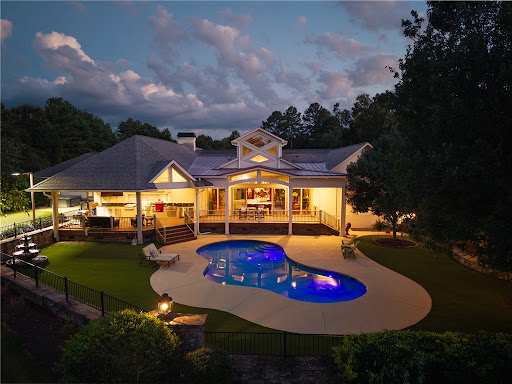


A rare opportunity awaits on coveted McClellan Road in North Anderson, where timeless country living meets luxury amenities. Ideally located just minutes from Interstate 85, Clemson University, and only one mile from a public boat ramp on beautiful Lake Hartwell, this meticulously maintained 7+ acre estate offers privacy, elegance, and exceptional craftsmanship. At the heart of the property is an impressive custom-built residence spanning more than 5,000 square feet. Designed for entertaining, everyday comfort, and multi-generational living, the home is complemented by an outstanding collection of outdoor amenities. Enjoy a cocktail-style saltwater pool with a stunning wood-burning stone fireplace, a lighted putting green, hot tub, expansive covered outdoor kitchen (added 2019) and dining pavilion, complete with a gas grill, Kamado Joe Big Joe III smoker, gas griddle, ice-maker, exhaust hood, refrigerator, hot and cold water sink, large television, and generous covered seating area. Equestrian enthusiasts will appreciate the classic gable-style barn featuring two horse stalls, a tack room, and a spacious loft above. The estate also includes an oversized three-car attached garage, a detached three-car garage with workshop potential, expansive overhead storage, and an additional covered parking area. Split-rail fencing and traditional stable fencing beautifully frame the grounds, creating the perfect country estate setting.As you enter through the gated entrance, you'll immediately appreciate the privacy and thoughtful design of this remarkable property. The home's signature gathering space (added in 2003) is the spectacular 1,000+ square foot Pub Room, featuring a full bar with back bar, billiards area, half bath, soaring post-and-timber gable ceilings with automated windows, a dramatic floor-to-ceiling stone fireplace, and an inviting lounge ideal for game days, movie nights, or entertaining on any scale. Flowing seamlessly from the Pub Room is the chef's kitchen, designed for both function and style. It offers abundant prep and storage space, decor commercial-grade gas ranges and cooktop with pot filler, a striking limestone vent hood, built-in Miele coffee maker, and a charming breakfast nook.Additional living spaces include an elegant parlor room, casual living room, and dedicated dining room, providing exceptional flexibility for both intimate gatherings and large-scale entertaining. The luxurious primary suite serves as a private retreat, complete with two oversized walk-in closets, a spa-inspired bath featuring a centrally positioned garden tub, separate vanities, a European-style walk-in shower, and a private water closet. Three additional suites and 2 half-baths comfortably accommodate family and guests, while a dedicated fitness room offers endless possibilities as a home gym, studio, office, or flex space. If you're seeking even more room to expand, an adjoining 8+ acre parcel is also available for purchase, offering the rare opportunity to create an estate of more than 15 acres. This exceptional property combines refined luxury, recreational amenities, equestrian appeal, and an unmatched location into one extraordinary offering?an estate that truly must be experienced to be appreciated.
…By Annonceur International


This exceptional South Maui property features a 3-bedroom, 2-bath main home and an attached 2-bedroom, 1-bath Ohana with its own private entrance and dedicated parkingideal for extended family, guests, or rental income. Thoughtfully upgraded, the home includes 48 owned photovoltaic panels, four Tesla Powerwall batteries, a new roof (all done in 2025), tongue-and-groove cedar plank ceiling in the main home, solar hot water, custom lanai screens, and many additional improvements done in 2024/2025. Step outside to your own private backyard oasis featuring a large saltwater pool and spa, mature fruit trees, and stunning Haleakala views. The spacious lanai is the perfect place to relax and enjoy Maui's beautiful sunsets. Located just minutes from South Maui's world-famous beaches, shopping, dining, and schools, this property truly offers the full package and Maui Island lifestyle!
…By Annonceur International


This custom private COMPOUND in beautiful La Quinta, near Old Town, sits in the best-kept secret of Desert Club Estates, where large lots and no HOA fees make it extra special. With 4 bedrooms, office and 4 baths, including a detached casita offering guests privacy in a spa-like suite, this resort like home is built for relaxation and fun. The beautifully landscaped grounds feature a large pool, patio, and grassy areas--perfect for gatherings of friends, family, and pets. Inside, the entertainer's floorplan shines with an expansive game/family room and fireplace, plus a chef's kitchen with a big island and adjacent dining area. Outdoor dining is a breeze at the covered patio near the stainless BBQ. The master suite feels like a luxe hotel room, with pool views through French doors and a spa-style bath featuring a stand-alone tub and massive shower. Three additional guest rooms share the same high-end vibe. A laundry room with double washers and dryers keeps towels fresh, while the three-car, air-conditioned garage includes an electric car charging station. Offered turnkey furnished, this home is ready for you to dive into the ultimate desert lifestyle from day one.
…By Annonceur International


For sale under construction 3-storey villa of 379 sq.meters in Crete. A magnificent view of the city, the sea opens up from the windows. There are: solar panels for water heating, a fireplace, air conditioning, heating, a barbecue area. Building has an elevator. There is an alarm system installed. Extras included with the property: parking space, garden, garage. The property boasts a swimming pool of private use.
…By Annonceur International


AN ESTATE WITHOUT EQUAL. A SETTING BEYOND COMPARE. Perfectly positioned on one of Serrano's most coveted and irreplaceable homesites, this extraordinary custom estate commands breathtaking panoramic views of Folsom Lake. Behind a private gatehouse entry, the residence is thoughtfully designed for grand-scale entertaining while offering the comfort and livability of a true family retreat. A stunning courtyard with a fountain, outdoor fireplace, and two detached guest casitas sets the tone for the exceptional spaces within. The grand foyer opens to soaring vaulted ceilings, architectural timber beams with custom decorative joinery, a dramatic curved staircase, and walls of disappearing glass that seamlessly connect the indoors with the spectacular outdoor living spaces. The gourmet chef's kitchen is appointed with premium Viking and Miele appliances, dual prep sinks, marble countertops, an oversized island, dual dishwashers, a walk-in pantry, and a breakfast nook overlooking the views. The adjoining great room and resort-inspired entertainment lounge create an unparalleled gathering space featuring a fingerprint-secured wine cellar, full-service bar, and effortless indoor-outdoor flow. The luxurious primary retreat offers a private balcony with fireplace, spa-inspired bath, dual custom closets, an in-closet coffee bar, and a dedicated laundry area. A separate family wing features three additional bedrooms, an office or homework center, playroom, private ensuite, secondary staircase, and spacious laundry room. Designed to rival a private resort, the grounds feature an infinity-edge pool and spa, outdoor kitchen, multiple covered living areas, fireplaces, sculptural water features, expansive patios, a massive outdoor Jumbotron display, putting green, sauna, cold plunge, and mature landscaping all framed by unforgettable sunsets and sparkling city lights. Modern conveniences include Crestron whole-home automation, geothermal heating and cooling, an extensive security and camera system, and a six-car garage. A rare offering where exceptional craftsmanship, timeless design, and one of Northern California's most remarkable settings come together to create an extraordinary place to call home.
…By Annonceur International


For sale villa of 400 sq.meters in Crete. There are: solar panels for water heating, a fireplace, air conditioning, heating, a barbecue area. The owners will be leaving the furniture with the sale. Extras included with the property: parking space, garden. The property boasts a swimming pool of private use.
…By Annonceur International


Commanding stunning views of Johns Lake, 16038 Johns Lake Overlook Dr rests in the desirable Hickory Hammock community of Winter Garden a lakefront enclave where natural beauty meets elevated, everyday luxury. This is more than a home; it's a lifestyle designed for those who appreciate space, comfort, and the calming presence of water just beyond their windows. Inside, 4,139 square feet unfold across a thoughtful, flexible layout with five bedrooms and five bathrooms. The main level anchors the home with two generous suites, including a refined primary and an oversized guest suite. Each offers serene water views, spa-inspired bathrooms, and a true sense of privacy that makes hosting effortless. Venture upstairs to discover a second secluded primary suite your personal sanctuary. Here, you can wake to panoramic lake views, relax in the garden bath, or step onto your private balcony to take in unforgettable sunsets over the water. The heart of the home is an open concept living area that flows seamlessly into a chef's dream kitchen. Premium appliances, gleaming granite countertops, and custom cabinetry create a space equally suited for quiet mornings and lively gatherings. When it's time to unwind, a dedicated theatre loft provides the perfect setting for movie nights and lazy weekend afternoons. Step outside, and the entertaining possibilities feel endless. The expansive outdoor living area boasts a full outdoor kitchen finished in Brazilian granite, a sparkling pool with an infinity edge hot tub, and multiple spaces for lounging and dining beneath the Florida sky. Just steps away, your covered private boat dock complete with boat and jet ski lifts opens the door to endless days of boating, fishing, and watersports on Johns Lake. For those who love to play, the backyard even includes a 5-hole putting green and a 2-hole chipping green, ideal for sharpening your short game without ever leaving home. Every detail here reflects a rare blend of craftsmanship, comfort, and connection to the water. Surrounded by natural beauty and premium amenities, this property delivers the kind of tranquil lakefront living that so many search for and so few ever find. Opportunities to own a home like this, in one of Winter Garden's most sought after communities, simply don't come along often. Come experience it for yourself, and imagine the life waiting here. Schedule your private showing today before this exceptional retreat is gone!
…By Annonceur International
'%20stroke='%23DDAA3A'%20stroke-width='1.909'%20stroke-linecap='square'%20stroke-linejoin='bevel'/%3e%3c/svg%3e)
Receive by email any new listing that may match your search criteria
By validating this form, you accept the general conditions of use of Le Figaro Properties.
These agencies offer a selection of luxury properties vente . Feel free to contact them for personalized assistance.