Get early access to listings that match your criteria
Never miss an opportunity again. Our personalized alerts notify you instantly.

 English$ USD · m²


Côte et Bretagne Immobilier, votre agence immobilière de prestige en Bretagne. Vous souhaitez estimer, vendre ou acheter une maison en bord de mer, contactez-nous. Une équipe professionnelle à votre service.
…By Cote Et Bretagne Immobilier


Exclusively, 3V Immobilier presents this charming chalet ideally located near the ski resorts of La Clusaz and Le Grand Bornand. It benefits from a convenient location with the ski bus stop 30 meters away and shops nearby. Built in the 1960s, it was completely renovated in 2023, notably with improved insulation. On the ground floor, it offers an entrance hall with a ski room and laundry room, a pleasant living room with a fireplace, a fully equipped kitchen, and two bedrooms with built-in wardrobes and their own bathrooms and toilets. Upstairs, a mezzanine provides two additional sleeping spaces. The property also includes a lean-to and 2 parking spaces. Sold furnished, this chalet is ideal for both family holidays and as a rental investment in the immediate vicinity of the Aravis ski resorts. For any inquiries, please contact Alice at +33 6 30 15 64 31.
…By 3v Immobilier


**Jager Immobilier** offers you this charming new villa with contemporary architecture, featuring a small sea view. The three-level villa has approximately 220 m² of living space, plus an underground garage of about 80 m² for 4 cars. Laundry room. Cellar. Double exposure facing south and west. It includes a living room opening onto the terrace and pool, a dining room with an open kitchen, three ground-floor en-suite bedrooms, and a master suite upstairs with its own terrace and jacuzzi, offering a small sea view of the Sardinaux point. Landscaped garden with a 10m x 3m mirror saltwater pool, heated. High-end features. Home automation. Alarm system with video surveillance. Reduced notary fees and recoverable VAT.
…By Jager Immobilier


JAGER Immobilier offers you this stunning new villa with contemporary architecture, boasting a living area of approximately 350 m² with panoramic views of the sea and hills. The villa, built on 3 levels, features a spacious and bright open living area with large sliding glass doors opening onto the terrace, the pool, and the sea, as well as 5 en-suite bedrooms, two of which are on the ground floor. Top-of-the-line amenities. Wine cellar, pantry, laundry room, cold storage, home theater, fitness room, steam room, sauna. Home automation, alarm system, video surveillance. Garage with space for at least 8 cars. Landscaped garden enhanced with a swimming pool and a fully equipped pool house. Reduced notary fees. Recoverable VAT.
…By Jager Immobilier


Located between Béziers and the sea, in a quiet and sought-after residential area, this beautiful single-story villa offers 142 m² of living space and high-quality amenities in a privileged setting. From the moment you enter, you will be captivated by the bright and airy spaces. The spacious living room with its open-plan kitchen is the true heart of the home. Opening onto the outdoors through its French doors, it seamlessly extends the living area towards the terrace and pool area, creating a welcoming atmosphere. The sleeping area comprises four bedrooms, including two true master suites, offering comfort and privacy for everyone. The layout has been designed to meet the needs of a family as well as those of owners wishing to entertain their loved ones in optimal conditions. Outside, the meticulously landscaped garden invites relaxation around the pool. Two carports for three cars facilitate parking, while a separate 11 sq m annex offers additional space ideal for storage or a workshop. In terms of amenities, this villa features ducted air conditioning, a wood-burning stove providing warmth and a cozy atmosphere in winter, and solar panels that combine comfort with energy savings. Just minutes from Béziers and the coastal beaches, this bright property is impeccably maintained. A home combining modernity, functionality, and a relaxed lifestyle that is sure to charm you from the first visit. Information on the risks to which this property is exposed is available on the Georisques website: www.georisques.gouv.fr. Agency fees are payable by the seller.
…By Via Sud Immobilier


The advertiser did not provide an english description for this listing.
…By Le Rouzic By Orizon


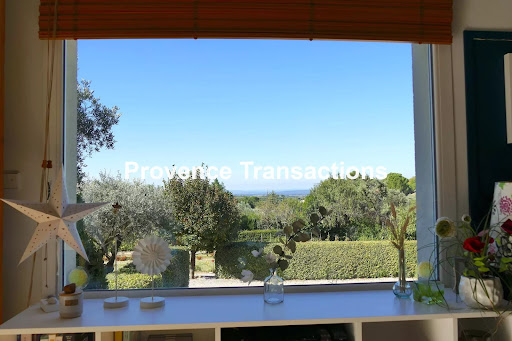

We are pleased to offer you this magnificent house located on the outskirts of the village of Sablet: arranged and maintained with the utmost care, both inside and in the garden...this is a rare offer on the market! The attic living room with fireplace and the equipped kitchen opening onto the dining area create a spacious (65m2), bright (7 openings), and very cozy living space! Additionally, on the ground floor, there is an office and a laundry room. Upstairs: one bedroom with cupboards and an ensuite bathroom, plus two bedrooms with a shower room. Outbuildings: double garage and garden shed. Enclosed and landscaped land of about 2200m2 enhanced by a swimming pool with summer kitchen, and a vegetable garden with a borehole! Prime location, sheltered from prying eyes...exclusively with Provence Transactions! Information on the risks to which this property is exposed is available on the Géorisques website: www.georisques.gouv.fr information on the risks to which this property is exposed is available on the Géorisques website: www.georisques.frThis description has been automatically translated from French.
…By Provence Transactions


Discover this unique equestrian estate nestled in the peaceful hills of Blausasc, France, offering breathtaking panoramic views and absolute tranquility. The elegant stone residence is complemented by expansive terraces, a large swimming pool, and refined relaxation areas, designed for both comfort and style. The property boasts extensive landscaped grounds that are perfect for equestrian activities, featuring secure arenas and ample pastures for horses to roam freely. The grounds seamlessly blend with the natural surroundings, providing ample opportunities for horseback riding, outdoor entertainment, and enjoying the serene countryside vistas. With its ideal combination of luxurious living and dedicated equestrian facilities, this estate is truly a rare find. Whether you are a passionate equestrian or seeking a peaceful retreat with outstanding amenities, this property delivers an unparalleled lifestyle in the heart of the French Riviera countryside.
…By Fielding Properties


Charming renovated house of 185 sqm set in a peaceful and unspoilt countryside, between the villages of Vence and Tourrettes-sur-Loup. Absolute tranquility, lush and authentic surroundings. The flat 2,000 sqm plot, planted with olive trees, citrus trees and Mediterranean plants, features two shaded terraces, a large swimming pool and pool house. Inside, a beautiful light-filled living and dining room with a glass-enclosed veranda, a study, 4 bedrooms including a master suite with a large walk-in wardrobe. High quality finishes throughout. A rare find in the area, just minutes from the shops and restaurants of Vence and Tourrettes-sur-Loup.
…By Florence Properties


Just 20 minutes from La Rochelle and 30 minutes from Niort, discover this contemporary house ideally located in the dynamic town of Ferrières, offering all everyday shops and amenities: a supermarket, local shops, restaurants, a hardware store, and schools. Upon entering, a built-in closet provides everyday practicality before revealing a beautiful, light-filled living area. Dual-aspect and opening generously to the outside thanks to its large south-facing sliding glass doors, it harmoniously accommodates a cozy lounge, a welcoming dining area, and a fully fitted and equipped open-plan kitchen. Air-conditioned for optimal comfort in all seasons, this room flows naturally into the outdoor spaces, which are protected by an elegant bioclimatic pergola. Outside, the gentle pace of life takes on its full meaning. The expansive terrace becomes the perfect setting for summer meals, relaxing moments, and evenings with friends. In the heart of the private, unoverlooked garden, the swimming pool invites you to cool off, while two pergolas create distinct outdoor living spaces—between shade and sun—in an atmosphere with Mediterranean accents. Designed to preserve everyone's privacy, the house offers a highly functional layout. It features a master suite complete with a walk-in closet and a private en-suite shower room. On the opposite side of the house, the sleeping area hosts two additional bedrooms as well as a family bathroom equipped with a shower. A practical utility/laundry room makes daily life easier, while the garage provides shelter for a vehicle, motorcycles, or leisure equipment. Several outdoor parking spaces complete the property. Boasting remarkable energy performance, this recently built home perfectly combines modern comfort, low energy consumption, and an excellent quality of life. An ideal address to enjoy a peaceful environment while remaining in close proximity to La Rochelle, the Atlantic beaches, and the Marais Poitevin.
…By Coldwell Banker L'immobilière Internationale 2


Nestled on a hillside within an unspoiled setting, this architect-designed villa with contemporary lines offers one of the most spectacular panoramas in the Balagne region—a 180-degree view stretching from La Revellata to Cap Corse. Here, the sea is ever-present. Every floor-to-ceiling window is designed like a painting, framing the horizon and the diverse landscape. Interior living spaces flow seamlessly onto the terraces and the large heated pool, which appears suspended facing the sea. Set on a plot of over 3,400 m², the property offers approximately 264 m² of living space, complemented by nearly 40 m² of storage areas (laundry room, pool equipment storage, etc.). The home’s distinctive architectural signature is defined by impressive volumes, clean lines, and high-end finishes. The main villa features four suites, while an elegant, independent stone annex houses two additional suites, ensuring privacy and comfort for guests. Underfloor heating, ducted reversible air conditioning, a fully equipped kitchen, fiber-optic internet, an integrated Wi-Fi network, video surveillance, an outdoor shower, and a heated pool complete the amenities of this rare property. At a time when such spaciousness and prime locations are becoming impossible to replicate, this villa offers a rare privilege: living right by the sea in a home designed to harmonize with the surrounding nature. Located above the Marine de Davia, just 5 minutes from beaches and shops, and approximately 25 minutes from Calvi Airport. EXCLUSIVE LISTING Allegrini Realty | Coldwell Banker Corsica +33 6 25 72 31 57 [email protected]
…By Coldwell Banker - Allegrini Realty


In one of the most sought-after neighborhoods of Antony, near the RER B station and Sainte Marie institution, Maison BONAPARTE presents this confidential property developing nearly 230 m² of living space on a land of over 1,100 m². Entirely redesigned and recently expanded, the house offers rare volumes, dominated by a spectacular living room of over 70 m², flooded with light and open to the outdoors, a true signature of the place. The independent kitchen, accompanied by its storage spaces with laundry and pantry, completes a ground floor designed for entertaining and everyday comfort. The sleeping area is organized on two levels. On the first floor, two rooms with generous volumes, each with their water rooms, including a true master suite with dressing room, full bathroom, and private terrace, offering an intimate and privileged space. The second floor hosts two additional bedrooms, also with their bathrooms or shower rooms, as well as an office, ideal for teleworking or an independent space. The house benefits from modern and sought-after features, with an elevator serving the different levels and a ducted reversible air conditioning system, ensuring optimal comfort in all seasons. Outside, the land offers a rare potential in this area. The garden features an 8 x 4 meter pool with a cover already installed, whose finishes (liner and filtration system) are yet to be planned, leaving the possibility of creating a fully custom outdoor space. At the back of the plot, two outbuildings complete the property and offer multiple development possibilities (independent office, reception area, workshop...). Two garages further allow up to three vehicles to be accommodated. The entire project was carried out in a perfectly controlled framework, with building permits and amendments validated, and compliance with work confirmed by the town hall, offering total legal security. This type of property, combining location, volume, modern amenities, and development potential, is now particularly rare on the market. +33748808125
…By Bonaparte


In the heart of the sought-after Parc Saint-Maur neighborhood, at the foot of the Marne banks walkways, this Anglo-Norman style manor built in 1890 offers 357.59 m² of living space on a landscaped plot of about 1,400 m². Rich in history, this characterful residence has undergone several renovation campaigns while preserving remarkable original architectural elements. Its generous volumes, family layout, and reception spaces give it a unique identity, becoming particularly rare on the outskirts of Paris. The ground floor is organized around an entrance hall leading to an 18 m² office with its own exterior access, as well as nearly 117 m² dedicated to living areas. The living room of over 39 m² communicates with a 28 m² independent lounge, while the spectacular family kitchen of nearly 50 m² opens widely onto terraces and the garden. A dressing room and independent toilets complete this level. The first floor houses three bedrooms. The main bedroom of over 21 m² has its own bathroom and toilet. A shower room, a large dressing room of over 12 m², independent toilets, a terrace, and a balcony complete this sleeping area. The second floor offers three additional bedrooms, a shower room, toilets, and various attic spaces providing additional floor space. The garden level includes a seventh bedroom, a shower room with toilet, an exceptional dressing room of over 28 m², a cellar, a boiler room, and a storage room. A wine cellar and a garage of nearly 27 m² complete the property. The residence thus totals seven bedrooms and four bathrooms or shower rooms, spread over four levels. Outside, the landscaped park features various terraces, an outdoor kitchen, a greenhouse, a pergola, and a beautiful 10 × 4-meter swimming pool, complemented by a water wall and a waterfall. The property benefits from a privileged location about 10 minutes walk from the Champigny–Saint-Maur RER A station, allowing access to Paris–Gare de Lyon in about twenty minutes. Families will appreciate the immediate proximity of Parc-Tilleuls kindergarten and elementary schools, the Le Parc middle school — to which the avenue is currently connected — as well as the private Teilhard-de-Chardin high school. School zoning is subject to confirmation from municipal services at the time of purchase. Paris-Orly airport is accessible in about 20 to 25 minutes and Paris-Charles-de-Gaulle in about 35 minutes by car, outside of particular traffic conditions. An exceptional family property combining history, architecture, remarkable volumes, and quality of life, in one of the most privileged environments of Saint-Maur-des-Fossés. +33748808125
…By Bonaparte


Nestled in a peaceful, lush setting just a few minutes from Saintes, this former château orangery showcases its full charm across approximately 214 square meters of living space. From the moment you enter, light takes center stage, enhancing the generous spaces and creating a warm atmosphere—ideal for family life or as a home with character. The home features a fluid layout that is a pleasure to live in. The ground floor opens onto a welcoming entryway leading to a first bedroom with its own bathroom, as well as a sleeping area comprising two additional bedrooms, a second bathroom, and a laundry room. The heart of the home is revealed in a beautiful, light-filled living area, where the open kitchen flows seamlessly into the living room and dining room. Upstairs, an additional bedroom completes the layout, while a mezzanine office overlooks the living room, offering an inspiring workspace. An attic storage area rounds out the amenities. Outside, the setting is just as charming. The enclosed, landscaped 5,706-square-meter property features numerous fruit trees and invites you to relax in complete privacy. The 10 x 5-meter pool blends seamlessly into this lush setting, surrounded by inviting spaces perfect for shared moments. A large, historic covered patio of approximately 160 m² extends this lifestyle, ideal for entertaining year-round thanks to its summer kitchen. An adjoining enclosed space, still to be finished, offers exciting possibilities for future development according to your plans. In terms of comfort, the house features a heat pump heating system supplemented by an oil-fired boiler, PVC double-glazed windows, and an individual septic system. A wine cellar and a utility room complete this property. Combining authenticity, light, and serenity, this rare property will appeal to those who appreciate unique homes and are seeking a privileged living environment in the immediate vicinity of Saintes. An opportunity not to be missed. Sale price including agency fees: €460,000. Agency fees payable by the buyer. Agency fees: 5% (including VAT) of the price excluding agency fees. Sale price excluding agency fees: €438,000. Energy rating: D. Climate rating: C. Estimated annual energy costs for standard use: between €3,340 and €4,570 per year. Prices indexed to 1st of January 2021. Information on the risks to which this property is exposed is available on the Géorisques website: www.georisques.gouv.fr
…By Agence Mercure Poitou-charentes-vendée


Domaine de la Barre is an exceptional stone property perched on a hillside in the heart of the Côtes de Bourg - Domaine de la Barre is an exceptional stone property perched on a hillside in the heart of the Côtes de Bourg and Côtes de Blaye vineyards, commanding breathtaking panoramic views over the rolling countryside. The beautifully renovated main house offers several distinctive bedrooms, a stunning covered Mediterranean courtyard centred around an olive tree, and a large swimming pool set against an unobstructed horizon of vines. A vaulted stone space houses both a premium infrared sauna and a wine tasting area. Three fully independent self-catering gîtes, each housed in separate stone buildings with their own fireplace, kitchen and character, complete this remarkable ensemble. Whether for an exclusive family retreat or a premium rental venture, Domaine de la Barre offers a rare and unforgettable experience of French country living at its very finest.
…By Leggett Immobilier


Magnificent contemporary loft-style house of 230 m2 with swimming pool, spa and view of the Pyrenees - Serres-CastetLocated in a sought-after residential area and a privileged environment, in absolute tranquility while remaining in immediate proximity to amenities, this superb contemporary family home of approximately 230 m2, built on a leafy plot of 1,207 m2, will charm lovers of beautiful volumes, comfort and quality amenities. Built in 2009 and recently 'enhanced' with care, this property is now in impeccable condition, ready to welcome its new owners, with no work to be done. Upon entering, the house reveals a spacious living room flooded with light, harmoniously combining the living room, dining area, and kitchen. The wood-burning stove gives the whole a warm and friendly atmosphere. The ground floor also hosts a beautiful master suite, with a shower room and dressing area, providing true comfort for daily life thanks to its ground-level access. Upstairs, we find the 'loft spirit' with a beautiful ceiling height. A mezzanine elegantly and originally distributes the sleeping areas: a large bedroom, a shower room, and two additional bedrooms, each enhanced with its private mezzanine space, creating an original and functional family environment. Set on a lovely landscaped plot, the property reveals beautiful outdoor spaces dedicated to relaxation and conviviality: a south-facing terrace, a 10X5 swimming pool with a dome, a large spa and a lovely terrace at the back of the house. A double garage, an attic, and a cellar/laundry room complete the amenities of this house, providing particularly appreciated storage and service spaces for daily life. An elegant and warm property, ideal for a family seeking space, comfort and serenity. A rare property in Serres-Castet, where quality of life is enjoyed as much in the interior volumes as in the beauty of the Pyrenean panorama.This description has been automatically translated from French.
…By Orpi - Pierre Conchez Immobilier


This recent detached house of approximately 180 m², built on a plot of around 623 m² with a pool and terrace, is located in Jouars-Pontchartrain. Designed for everyday comfort as well as moments of relaxation, it offers 6 rooms spread over three levels, in a contemporary spirit with particularly refined amenities.Upon entry, the ground floor opens onto a vast living space with a very friendly style, featuring a large living room, a dining room, and an open kitchen, complemented by a billiard room. This generous and bright layout facilitates circulation and allows for full enjoyment of each space. There is also a WC, a large pantry, and direct access to the garage, particularly convenient for daily life.The house stands out for the quality of its materials and the attention paid to its finishes. Joinery, storage, and custom fittings equip all the rooms and contribute fully to the high-end character of the property.On the first floor, the night space offers three bedrooms, with the possibility of converting one into an office as needed, as well as a bathroom and a separate WC.The second floor is entirely dedicated to a vast master suite, a true separate space offering a large bedroom, a very large custom-designed dressing room, a private bathroom, and a WC. The beautiful volumes, double exposure, home automation, and particularly functional distribution of the various spaces contribute to the comfort of this recent house, also equipped with an A energy performance diagnosis (DPE) and an air-water heat pump.Outside, everything has been designed to enjoy a true holiday spirit with minimal maintenance. The heated pool, equipped with an automatic cover, is accompanied by a spa and a large terrace protected by a 9-meter-wide motorized awning. The absence of any overlooking ensures total privacy and allows for full enjoyment of this outdoor space on beautiful days.Three parking spaces complete the ensemble. The house benefits from a particularly calm environment despite its central location, with shops, restaurants, and schools accessible on foot.Daily life is also facilitated by quick access to the N12 and N10 as well as the proximity to several economic hubs. Families will particularly appreciate the ability to walk to schools, from kindergarten to middle school.A rare house in the area, combining a central location, calm, generous volumes, and high-end features, with a preserved exterior providing a true holiday spirit in everyday life.Technical features:- Property tax: €2545- Energy performance: A- Heating method: Electricity and air-water heat pump- Hot water distribution method: Thermodynamic balloonLegal notices:The information presented in this ad has been prepared by Zefir based on available elements at the time of writing, with the aim of providing a clear and reliable vision. However, it is communicated for informational purposes only and does not replace mandatory regulatory diagnostics or the technical and administrative checks usually carried out in the context of a real estate transaction. To know the official data relating to natural, mining, or technological risks, it is recommended to consult the public service Géorisques. Zefir accompanies purchasers throughout their project with transparency and rigor, helping them make decisions with peace of mind. For any questions, contact Zefir at 07 57 91 70 93.This description has been automatically translated from French.
…By Zefir


Located in southern Burgundy, 15 minutes east of Tournus and 8 minutes from the village of Cuisery, in a landscaped park of 5848 m² adorned with two basins, a very beautiful property with a swimming pool consisting of a main house of 261 m² and an independent cottage of 22 m² ideal for hosting. This family home offers, on the ground floor, a lovely living space of 84 m² composed of a charming furnished and equipped kitchen open to a living room with a fireplace, a spacious master bedroom with a dressing room and a bathroom (bathtub + shower), a second bedroom, an office or bedroom, a laundry room, and a separate toilet with a water point. Upstairs, a mezzanine leads to a small lounge, a shower room, a toilet, and two bedrooms in a row, air-conditioned by a single unit, with plenty of storage. The very pleasant exterior is enhanced by multiple terraces, a summer kitchen with a bread oven and barbecue, a carport for two cars with a storage room and a workshop. This property offers good energy and environmental performance thanks to its underfloor heating via geothermal energy with cooling functionality and its 24 solar panels with a resale electricity contract with EDF. Air conditioning for the two bedrooms upstairs, three wells with a 10 m deep borehole, electric gate, and digicode. The layout of this property perfectly meets the needs of a family, all living spaces as well as two bedrooms are on the same level, the annex allows for guests to be accommodated with complete privacy, the rooms are spacious, and the outdoor setting is calming. All amenities can be found 5 kilometers away: shops, doctors, dentists, banks, schools, college... Easily accessible due to the proximity of the highway, 1h15 from Lyon and Dijon, and 2h00 from Geneva. Information on the risks to which this property is exposed is available on the Géorisques site: www.georisques.gouv.frThis description has been automatically translated from French.
…By Bourgogne Prestige Immobilier


In a small estate just steps from shops and the beach of La Croix Valmer, an architect-designed villa of 348m² built in 2024, on a plot of 1360m² planted with beautiful Mediterranean subjects. The entrance hall offers a nice reception area serving 3 bedrooms and a gym, as well as a space that can be used to create a cinema room. Upstairs, a large and bright cathedral living room with exposed beams and open kitchen overlooking the terrace, garden, and heated pool, with large sliding doors opening onto the entire floor. The night area consists of three suites, including a large and magnificent master bedroom. To complete this property, there is a closed garage, parking spaces, ducted air conditioning, automatic watering, outdoor lighting, alarms, surveillance cameras, and a pétanque court. Energy Performance Diagnosis (DPE): A - 46 Greenhouse Gas Emissions (GES): A - 1 Estimated annual energy costs of the property: €1000-1410 Transaction fees including taxes are the responsibility of the seller. Information on the risks to which this property is exposed is available on the Georisques site: www.georisques.gouv.fr. The luxury real estate market on the Côte d'Azur is one of the most attractive in the Mediterranean region. Holiday homes and secondary residences on the Côte d'Azur not only offer an unparalleled style and quality of life but also represent, given the international economic situation, a safe investment and a smart retirement project, especially at premium addresses. La Croix Valmer, a commune of the Saint Tropez peninsula, is a coastal town on the French Riviera, in the south of France. A town renowned for the beauty of its beaches, in the magnificent bay of Cavalaire, it is also rich in history. Hidden in the peninsula are treasures amidst tranquil creeks, and magnificent examples of early 20th-century seaside architecture.This description has been automatically translated from French.
…By Engel & Völkers Côte D'azur


In Tourbes, Hérault, Occitanie region, discover this architect-designed villa on a 1300 m² plot of land, with all four sides exposed. Built in 2024, it offers 220 m² of living space with five bedrooms, a large living room, a designer kitchen, a beautiful entrance hall, a pantry, and a toilet. The layout is as follows: On the ground floor, an entrance hall with cloakroom, a large living room, a designer kitchen, a pantry, a master suite, a bedroom, and a toilet. Upstairs, a master suite, a large dressing room, two bedrooms, a bathroom/shower, and a toilet. Outside: A beautiful 1300 m² garden, a 10x4 m swimming pool with integrated cover, a carport for two vehicles, a 112 m² tiled terrace, and a 30 m² solarium on the upper floor for the master suite. Solar panels, automatic watering system. Small annex with wooden terrace. Electric aluminum gate. Sliding glass doors on the ground floor. The village: Tourbes, a village nestled in the Hérault Valley, 3 minutes from Pézenas, a town of art and history, and 5 minutes from the A75 motorway (free) for Montpellier and Béziers. Tourbes is a quiet, vibrant village with shops, a medical center, and schools. It's 30 minutes from the beaches, 30 minutes from the nearest airport, and 20 minutes from the train station. The villa is located in a prime area of the village, with no traffic, noise, or disturbances. The materials chosen for construction are of premium quality, offering all the features and amenities of a 2024 home. Ten-year structural warranty and builder's risk insurance until 2034. Request the complete file: Energy Performance Certificate (EPC) and technical specifications. Floor plans. Surface area chart. Viewings can be arranged quickly with a valid financial file. I am available for any further information and would be happy to schedule a qualified viewing. Fees payable by the seller
…By Agence Internationale Albert Honig


A bright villa in the heart of the countryside Set in a preserved natural environment, this renovated villa of approximately 220 sqm benefits from a full south-facing exposure, flooding the interiors with light. Modernised in 2015, it offers a peaceful lifestyle with comfortable and flexible living spaces. Highlights: Full south-facing exposure Renovated in 2015 Independent garden-level apartment Quiet and sought-after area of Ventabren Unobstructed countryside views Flexible and functional spaces Spread over three levels, the house offers five bedrooms, one bathroom and two shower rooms. The top floor is dedicated to the master area, with a suite, dressing room and en-suite shower room. On the main floor, the living area opens onto a fully equipped open-plan kitchen and a lounge with a wood-burning stove. Full-height bay windows provide open views over the swimming pool and the surrounding countryside. The garden level can accommodate an independent space with three bedrooms and a shower room. Reversible air conditioning (living room and upstairs bedroom), radiators on the garden level, aluminium joinery, burglar-resistant double glazing, wooden shutters, a crawl space cellar and an outdoor barbecue ensure comfort and practicality. Outdoor spaces and lifestyle Set on 1,880 sqm of enclosed land, the property features a garden with automatic irrigation, a shed, an electric gate and parking for six vehicles. The terraces extend the house towards a heated 8 x 4 m swimming pool with a technical room, ideal for enjoying sunny days in a countryside setting. A sought-after location Located in Ventabren, just 20 minutes from Aix-en-Provence, the villa enjoys a desirable residential environment close to shops, schools and main roads. This property represents a great opportunity as a primary or secondary residence in Provence. House for sale by our Aix-en-Provence agency. Information about risks to which this property is exposed is available on the Géorisques website: http://www.georisques.gouv.fr. In accordance with current regulations, the energy performance surface (DPE) of this property is based on a standardised measurement of the living area. This measurement may differ from the total surface measured precisely by our sales teams. Thanks to our exclusive partnership with Knight Frank, a global leader in luxury real estate, Janssens Immobilier offers each property exceptional international visibility. This alliance strengthens our local expertise through the power of a network present in more than 50 countries.
…By Janssens Immobilier Aix En Provence - Marseille


In Ventabren, in the peaceful setting of a neighborhood appreciated for its natural surroundings and immediate proximity to Aix-en-Provence, this modern villa of approximately 200 m² with a swimming pool offers a warm and comfortable living environment. Upon entering, the ground floor reveals a spacious double living room, opened by large aluminum sliding windows highlighting the fully equipped open-plan kitchen, which extends seamlessly into the living area and opens directly onto a large terrace. This level also includes three bedrooms, two of which have their own en-suite bathrooms. A bathroom and a separate WC complete the first level. Interior features include underfloor heating, double glazing, and electric roller shutters with individual and central controls. The garden-level floor hosts a beautiful master suite, with a dedicated dressing area, a bathroom with double sinks, a double shower, and a WC, as well as a hallway equipped with two practical spaces: a large closet and a laundry room. This level offers a true private parental space with complete privacy. Outside, the 1,100 m² plot features a large 160 m² terrace facing south/southeast, 60 m² of which are covered, perfect for dining or relaxing in the shade. The heated saltwater pool blends naturally into the fully fenced garden. A barbecue/plancha area, a 3-car carport, an electric gate, video surveillance, and an automatic irrigation system complete the property. As an additional bonus, the property includes a large covered and enclosed garage under the house, directly accessible from the garden level, accommodating at least 3 vehicles. Ventabren charms with its Provençal village character, heritage, and local shops, while offering quick access to Aix-en-Provence, the TGV train station, and Marseille Provence Airport. This highly sought-after neighborhood provides absolute tranquility on the Ventabren hill without feeling isolated. This property, with all its high-end features, home automation, and comfort, is ideal for a primary or secondary residence, a family home, or a vacation rental. Presented by our real estate agency in Aix-en-Provence, this villa embodies a truly comfortable and modern lifestyle. Thanks to our exclusive partnership with Knight Frank, a global leader in luxury real estate, Janssens Immobilier offers each property exceptional international visibility. This alliance strengthens our local expertise with the power of a network present in more than 50 countries. Details of the risks to which this property is exposed are available on the Georisks website : http://www.georisques.gouv.fr In accordance with current regulations, the EPC surface area of this property is calculated based on a standardised measurement of the living space. This measurement may differ from the total surface area measured accurately by our sales teams.
…By Janssens Immobilier Aix En Provence - Marseille


Located in one of the most sought-after areas of La Cadière-d'Azur, in a peaceful and highly desirable residential environment, this elegant 171 sqm single-storey villa combines comfort, charm and the authentic Provençal lifestyle. Set on a magnificent landscaped and level plot of 2,588 sqm, the property enjoys triple exposure, ensuring optimal sunshine throughout the day. A beautiful swimming pool, spacious terraces surrounding the villa, a pétanque court, a 26 sqm garage and an automatic entrance gate complete this exceptional property, offering both comfort and security. The open views over the surrounding countryside create a peaceful and unspoilt atmosphere. From the moment you enter, the generous living spaces and abundant natural light are immediately captivating. The impressive 76 sqm open-plan living area, comprising the lounge, dining room and kitchen, is flooded with light through large sliding glass doors opening onto the terraces and swimming pool, creating a seamless connection between indoor and outdoor living. The sleeping area has been designed to provide privacy and comfort. It features two beautiful master suites of 17 sqm and 16 sqm, each with its own en-suite shower room and direct access to the terraces. Two additional bedrooms of 12.5 sqm and 13.5 sqm complete the accommodation, together with a spacious bathroom with both bathtub and shower, perfectly suited for family living or welcoming guests. The villa is equipped with air conditioning, ensuring year-round comfort. Every detail has been designed to combine elegance, practicality and quality of life. Rarely available in this highly desirable location, this exceptional property offers a privileged setting, generous volumes, quality amenities, beautifully landscaped outdoor spaces and a remarkable natural environment. An exclusive address, ideal as either a primary residence or a prestigious holiday home. Les honoraires sont à la charge du vendeur. Les informations sur les risques auxquels ce bien est exposé sont disponibles sur le site Géorisques : www. georisques. gouv. fr. Contactez Brigitte CHABAUD Entrepreneur Individuel, Agent commercial OptimHome (RSAC N°809 986 268 Greffe de TOULON) 06 65 11 39 81 (réf. 611249 )
…By Optimhome - Brigitte Chabaud


Nestled in Saint-Paul-de-Vence, one of the French Riviera's most sought-after villages, renowned for its rich heritage, world-famous art galleries and authentic Provençal charm, this exceptional property enjoys breathtaking panoramic views over the surrounding countryside, the swimming pool and the picturesque medieval village. Ideally located just 10 minutes from the beaches of Cagnes-sur-Mer and within easy reach of Nice International Airport, it offers a truly privileged setting. Offering approximately 470 sqm of living space, this elegant villa has been built to an exceptional standard and impresses with its generous volumes, abundant natural light and triple aspect. The ground floor features a welcoming entrance hall with guest cloakroom, a spacious reception room with fireplace opening onto expansive south-facing terraces, an elegant dining room, a beautifully appointed fully equipped kitchen and a large study. An independent guest or caretaker's apartment completes this level. A magnificent staircase crafted from noble, traditional materials leads to the upper floor, where six luxurious en-suite bedrooms, each with its own dressing room, provide comfort and privacy. A technical room equipped with a central vacuum system is also located on this level. The garden level has been designed for leisure and relaxation, offering a fitness room, a wine cellar, a service kitchen and additional storage areas. Designed to maximize its exceptional setting, the villa enjoys panoramic views from every room, overlooking beautifully landscaped gardens and the surrounding countryside. Set within approximately 3,600 sqm of landscaped grounds, the property boasts magnificent terraces, flower-filled stone terraces, a large heated swimming pool with jacuzzi, an expansive sun deck and a fully equipped pool house, creating the perfect environment for entertaining and enjoying the Mediterranean lifestyle. The property also features a double garage, extensive outdoor parking, a pétanque court, heat pumps, reversible air conditioning, arched double-glazed French windows, solar panels, an integrated sound system, interior and exterior alarm with remote monitoring, videophone and two secure gated entrances serving both the gardens and the villa. A rare opportunity to acquire an exceptional residence combining elegance, comfort, privacy and outstanding amenities in one of the most prestigious locations on the French Riviera. Les honoraires sont à la charge du vendeur. Le Diagnostic de Performance Énergétique(DPE) a été réalisé selon une méthode valable mais non fiable et non-opposable. Les informations sur les risques auxquels ce bien est exposé sont disponibles sur le site Géorisques : www. georisques. gouv. fr. Contact your local agent, Brigitte CHABAUD, SIX FOURS LES PLAGES, Optimhome Associate Estate Agent at 06 65 11 39 81 (ref 612811)
…By Optimhome - Brigitte Chabaud
'%20stroke='%23DDAA3A'%20stroke-width='1.909'%20stroke-linecap='square'%20stroke-linejoin='bevel'/%3e%3c/svg%3e)
Receive by email any new listing that may match your search criteria
Your criteria :
By validating this form, you accept the general conditions of use of Le Figaro Properties.
These agencies offer a selection of luxury properties vente in France. Feel free to contact them for personalized assistance.
For your search for an exceptional property, select from our luxury houses with panoramic views in France, starting at $231,243. Offering exceptional panoramas, these 4,290 residences overlook the city and its surroundings. As the seasons pass, the spectacle is renewed without ever becoming tiresome. Depending on the area you are looking for, such as Provence-Alpes-Côte d'Azur, Rhône-Alpes and Aquitaine, the living areas may vary and start at a minimum of 1 m². The largest properties rise to 13,299,999,744 m².
As part of your search for a luxury property, discover our catalog of 19,324 luxury houses with a terrace in France, offered from $204,913. Outdoor meals or summer receptions, the terrace extends the house outdoors. Property listings are found in particular in Provence-Alpes-Côte d'Azur, Aquitaine and Rhône-Alpes. The houses listed in our listings offer attractive living areas measuring between 1 m² and 52,000 m².
Set down your suitcases without waiting: our catalog brings together 1,910 furnished luxury houses in France, with a starting price of $231,243. From the living room to the bedrooms, each residence is tastefully furnished and ready to live in. Property listings are particularly numerous in the following areas: Provence-Alpes-Côte d'Azur, Rhône-Alpes and Aquitaine. The average price of this furnished stock stands at $10,895 per square meter. Living areas reach 40,000 m² for our largest properties.
Your receptions deserve a setting to match: discover 601 luxury houses with a reception room in France, starting at $265,586. These residences combine family privacy with spaces dedicated to major events. Family gatherings, business dinners or parties with friends naturally find their place there. The fashionable addresses are located in Provence-Alpes-Côte d'Azur, Aquitaine and Rhône-Alpes. Depending on the property, the property area extends up to 953 ha.
The beach as an extension of the garden: this is the spirit of 3,585 luxury houses by the sea in France, for sale from $362,891. Your life there will be organized to the rhythm of the coastline, between sea bathing and walks. Provence-Alpes-Côte d'Azur, Corse and Aquitaine enliven the local market. In these residences, the minimum recorded living area is 39 m².
The sea horizon as a guiding thread: explore the 3,966 luxury houses with sea views in France, with prices starting at $289,580. The sea accompanies your days, from sunrise to the last light. A daily privilege that few addresses can claim. Browse the listings in Provence-Alpes-Côte d'Azur, Corse or Bretagne first. In terms of dimensions, the living areas start at a minimum of 39 m² and the grounds at 2,000 m².
Anchor your daily life at the water's very edge: this is what the 289 luxury houses right on the water in France allow, for sale from $381,589. These rare residences provide direct access to the shore, with no obstacle to cross. In the geographical area, Provence-Alpes-Côte d'Azur, Bretagne and Corse account for a significant share of our listing catalog. The average price per square meter stands at $16,159. Expect living areas measuring between 42 m² and 126,804 m². In our selection of listings, a property can have up to 32 rooms.
Within our catalog, 142 luxury houses listed as historic monuments in France are for sale, starting at $263,296. These residences perpetuate exceptional architectural expertise. Acquiring one means continuing a story that began long before you. Your search can focus on Provence-Alpes-Côte d'Azur, DOM-TOM and Centre. The properties recorded in our listings have between 1 and 18 bedrooms. The grounds in our collection measure 2.5 ha. This can rise to 20 ha depending on the property.


