Get early access to listings that match your criteria
Never miss an opportunity again. Our personalized alerts notify you instantly.

 English$ USD · m²


Agence Hamilton are delighted to offer this beautifully presented country residence in a rare and secluded setting, at the end of a small lane on the edge of a charming hamlet. Within walking distance of a small village with basic amenities, 6 mins. drive from a commercial centre and 10 mins. drive to the bastide town of Villefranche de Rouergue. Situated on the borders of the Aveyron, Lot and Tarn et Garonne. Many of France's most beautiful villages within a 30 * 40minute drive. Surrounded by peaceful countryside, this exceptional property offers privacy, tranquillity, and timeless charm combined with modern comfort. With no overlooking neighbours or disturbances, this prestigious home is ideally suited as a spacious family residence, a multi-generational home, or a holiday rental investment (subject to the necessary permissions). The property comprises: A large private courtyard gives access to numerous entrances, the main one leading to the large fully equipped kitchen that in turn leads up to a large dining room. From the dining room there is a very large parental bedroom with en suite bathroom and shower. Also leading from the dining room is the very large living room complete with monumental stone fireplace with wood burning stove. The living room is connected to the two storey pigeonnier and access to two more bedrooms, one with en suite shower room and a separate shower room. Across the courtyard an entrance leads to a two bedroomed guest accommodation complete with a large equipped kitchen and large living room on the ground floor leading to the two bedrooms and separate shower room upstairs. In addition, the property has a large outdoor terrace overlooking the beautifully landscaped garden, a separate garden room for quiet reflection, a large outdoor eating space with a view on to the courtyard and a large atelier/ garage. In addition to all the other outdoor spaces, the property offers a large swimming pool area, an 11 × 6 metre swimming pool with a maximum depth of 2.2 metres, with several terraces designed for relaxation and outdoor dining. Beyond the pool and gardens a private woodland can be found surrounded by nature, rich in wildlife and birdlife. Beautifully appointed throughout in a timeless English country house style, this exceptional home is a true rural retreat, where understated elegance blends seamlessly with the character of the original property. Generous living spaces, exceptional craftsmanship, bespoke joinery, and high-quality finishes create an atmosphere of effortless sophistication. Every detail has been thoughtfully considered, resulting in a home of enduring quality, warmth, and distinction?offering an exceptional opportunity to embrace refined country living at its very best. Contact us to arrange a private viewing. A virtual visit is possible on request.
…By Agence Hamilton


Built in 2012 by architect Jean-Marie Pettès, this house with its serpentine lines offers a peaceful and tranquil living environment. Perfectly adapted to the local climate and surrounding nature, it has been awarded the Low Energy Building label. Nestled in the heart of a 1,900 sqm wooded plot, this single-story house offers 185 sqm of living space. It is organized around three distinct modules joined at their center by the living areas. These include a large, fully equipped kitchen, a compact and functional utility room, a dining area, and a living room with an inset fireplace. The entire space is bathed in light thanks to sliding glass doors that seamlessly blend the natural surroundings. The second module, overlooking the pond, houses a suite with ample storage, a bathroom with a shower, a dressing room, and a separate toilet. The final module is accessed via a long corridor, reminiscent of a train passageway, evoking a sense of travel. It houses three further bedrooms, an office, a shower room, a toilet, and a laundry room. The outdoor spaces are particularly well-designed. A swimming pool runs alongside a decorative pond with koi carp. Below, an exotic wood deck extends from the concrete loggia, which flows seamlessly from the living areas. Concrete cylinders connect the pool, the loggia, and the deck. A carport, parking spaces, and storage areas are available outside.
…By Architecture De Collection


CHARMING 16th-CENTURY RESIDENCE - 5 Ha - FRENCH LIFESTYLE - IMPECCABLE CONDITION. Exclusively: nestled in a rolling landscape, this magnificent property rich in history will charm you with its authenticity and timeless elegance. This former pastel mill (without water) dating back to the 16th century has been fully renovated in 2012 by local artisans and architects, respecting its original character and according to modern comfort standards. This beautiful residence offers approximately 400 m² of living space and currently consists of two independent housing units, providing great flexibility of use (main residence and gîte, multi-generational home, bed and breakfast activity, etc.). Each unit has its own entrance, an independent water and electricity system, a wood stove, and interior access allowing, if desired, to easily reunify the two spaces. In total, the house offers two kitchens, two living rooms, and 4 bedrooms, each equipped with its own shower room or bathroom with toilet. An independent studio of 30 m² is an added bonus and can be equipped with a sauna. Situated in nature, in a dominant position, the house enjoys a peaceful environment with no overlook while remaining connected to the world. Toulouse and Toulouse-Blagnac international airport are 45 minutes away. All amenities and educational facilities are accessible in 7 minutes. The property extends over approximately 5 hectares, with an unobstructed view of the surrounding countryside and the Pyrenees. As part of the new intercommunal Local Urban Plan (PLUi), certain parts of the land have been classified as buildable areas, particularly for the reasoned development of soft tourism. Heated saltwater pool (11 x 5 m), equipped with an automated solar cover. Three enclosed garages. Outbuildings for storage of gardening equipment, outdoor furniture, etc. Sanitation compliant: micro-station. Internet connection by fiber optic. 2 alarm systems and motion detectors. This exceptional property, meticulously maintained and only used as a secondary residence, is in near-new condition. It offers an idyllic living environment, blending nature, history, comfort, and potential. Fees to be paid by sellers - Viola REICHARDT - Independent sales agent.This description has been automatically translated from French.
…By Tolosan Immobilier


In a sought-after and quiet neighborhood of Toulouse, this large detached house with 7 rooms offers approximately 269 m2 of living space, spread over two levels. Set on a plot of around 845 m2 with a garden, it will appeal to families looking for space as well as buyers wishing to have generous volumes to organize their living environment. The presence of a swimming pool pleasantly completes the property and helps make the outdoors a true place of relaxation.The house revolves around a spacious living room that constitutes the main living area. The volumes allow for easy imagination of different layouts, both for entertaining and for sharing everyday moments. Air conditioning provides comfortable living in all seasons. With its four bathrooms, everyone can enjoy their own space, which is particularly suitable for families or those who regularly host guests.One of the strong assets of this property lies in its annex, equipped with a bedroom and a shower room, which already benefits from independent access. This space can easily be envisioned as a separate entity, allowing the possibility to create a space for guests, a separate workspace, or any other use requiring a degree of autonomy from the main house. The parking space and the presence of a garage contribute to the practicality of daily life in this sought-after area.The garden, with a beautiful area, surrounds the house and extends the living spaces pleasantly towards the outside. Between moments of swimming in the pool and quiet relaxation, this land allows for numerous uses, both for adults and for children. The overall configuration of the house and its exteriors offers an interesting potential for those wishing to have a true living space to customize according to their desires.In the immediate vicinity, the bus service is particularly convenient. The Barrau stop is about 300 m away, along with the Langevin and Baroux stops, while Limayrac and Beau Soleil are approximately 500 m and 600 m away respectively. Regarding educational establishments, the Sainte-Marie des Champs school is about 300 m away, the Occitan Còsta-Pavada school group (nursery, primary, and leisure center) is 500 m away, and the Saint Joseph - La Salle school complex is also approximately 500 m away. The presence of the public nursery school Françoise Dolto, less than 600 m away, complements a practical environment for families.Technical characteristics- Property tax: 4869 euro- Energy performance: C- Heating mode: gas supplemented by a heat pump- Hot water: electric tankLegal mentions:The information provided in this announcement has been carefully gathered by Zefir from the elements available at the time of its drafting. They are provided for informational purposes and complement the regulatory diagnostics as well as the usual technical and administrative verifications that accompany any real estate transaction. For any official information related to natural, mining, or technological risks, it is recommended to consult the Géorisques service. Zefir supports buyers throughout their project with a focus on transparency and rigor, to help them make decisions with peace of mind. For any questions, contact Zefir at 07 57 91 70 93.This description has been automatically translated from French.
…By Zefir


Where each day begins bathed in natural light and ends in the peaceful glow of the setting sun… Exclusively represented by Sotheby's International Realty, just five minutes from the heart of Lavaur, this elegant 230 sqm family home is discreetly set behind mature hedges and a private gate, offering complete privacy in an unspoiled setting. From the moment you step inside, natural light fills every room. Thanks to its triple aspect, the spacious 50 sqm living room becomes the true heart of the home, creating a warm and inviting atmosphere throughout. Designed for both family living and peaceful retreats, the property offers beautifully appointed spaces where lasting memories are made: a welcoming 21 sqm kitchen, five bedrooms including a generous primary suite, two home offices ideal for today's lifestyle, one family bathroom and two shower rooms. Outside, the experience continues. Set within nearly 5,000 sqm of landscaped grounds, the swimming pool promises long summer days, while the gardens provide a rare sense of space and tranquillity. An additional advantage lies in the property's separate buildable plot, offering excellent development potential and long-term investment value. Underfloor heating and cooling provided by a reversible heat pump, an elegant fireplace, double glazing, an electric gate and a 50 sqm double garage complete this exceptional home, where every detail has been carefully considered to ensure comfort, practicality and quality of life. Ideally located just five minutes from shops, schools and everyday amenities, and only ten minutes from the golf course, this property perfectly combines peaceful country living with everyday convenience. A home where you can already picture family laughter, long lunches beneath the pergola, summer evenings by the pool, and cherished memories unfolding with each passing season.
…By Midi-pyrénées Sotheby’s International Realty


Accessed through two independent entrances with wrought-iron gates, this superb 1920s manor house stands within more than 3,400 sqm of grounds planted with majestic cedar trees and magnolias. Offering approximately 340 sqm of living space, the residence is distinguished by the harmony of its proportions, the generosity of its rooms and their remarkable natural light. Tall windows and bow windows punctuate the façades, framing numerous views across the surrounding greenery. A spacious terrace overlooking the canopy extends the reception rooms and provides an exceptional vantage point from which to admire the treetops in complete tranquillity. Two entrances on opposite sides provide direct access to the house and allow a fluid connection between its different areas and the gardens. The interior retains the defining features of an important early 20th-century residence: a monumental solid-wood staircase, herringbone parquet flooring, decorative cement tiles, period fireplaces and generous ceiling heights. The preservation of its original features and the peacefulness of its setting give this exceptional address a distinctive character, certain to appeal to lovers of architecture and heritage. Near Lavaur, between Toulouse and Albi, the manor house enjoys a privileged location close to shops, schools, services and the main transport links. Price: €515,000, agency fees included and payable by the seller. Montant des frais annuels d'énergie : entre 7500€ et 10200€ Energy performance rating: D Information concerning the risks to which this property is exposed is available on the Géorisques website: www.georisques.gouv.fr In accordance with Article L561-5 of the French Monetary and Financial Code, proof of identity will be required before any viewing. https://sites.google.com/a/coldwellbanker.fr/honoraires-coldwellbanker-demeure-prestige/
…By Coldwell Banker Paris


In the heart of L’Isle-Jourdain, behind a discreet facade steeped in character, lies a rare property where the authenticity of an old building elegantly meets the clean lines of an exceptional contemporary renovation.Developing 245 m² of living space on a wooded plot of 1,143 m², this confidential residence captivates from the very first moments with its volumes, its omnipresent light, and the remarkable quality of its amenities.The heart of the house revolves around a vast living area bathed in light thanks to generous openings onto the garden. The indoor and outdoor spaces communicate naturally, offering a warm atmosphere that is decidedly focused on conviviality.The fully furnished and equipped kitchen integrates perfectly into this reception area where every detail has been thoughtfully designed. A true architectural signature, the spiral staircase in steel gives the whole a unique character, subtly blending contemporary design with the charm of old materials.Designed to accommodate a large family as well as to receive with complete serenity, the property offers 6 bedrooms and 5 shower rooms. Outside, the landscaped garden, carefully preserved from prying eyes, invites relaxation around the pool. The rooftop terrace provides an additional privileged space, while the garage, the barn, and the numerous outbuildings constitute a real asset for vehicle enthusiasts, craftsmen, liberal professions, or anyone seeking large functional spaces.Beyond its aesthetics, this property also stands out for its remarkable energy performance. Classified DPE A, it combines the charm of a house from before 1949 with the comfort and performance requirements of today.More than just a house, it is a unique living space, where every area has been imagined to create memories, host loved ones, and fully enjoy each season.A confidential address, with all shops and schools within walking distance. A rare find. A property that is unlike any other.Information about the risks this property is exposed to is available on the Géorisques website: www.georisques.gouv.frSale price: €940,000Seller's feesContact your SAFTI advisor: Natacha FRINOT, Tel.: 0665621207, Email: [email protected] - EI - Commercial agent registered with the RSAC of TOULOUSE under number 499337699This description has been automatically translated from French.
…By Safti


You are looking for the exceptional. I propose you to discover in the GERS, in the commune of SAINTE CHRISTIE D'ARMAGNAC, a magnificent architect-designed house with a living area of 284M2. As soon as you open the large motorized gate, the charm works immediately. The completely redone courtyard and the water cascade set the tone for the care taken by the owners and the quality. We are only at the beginning of the visit, as the next parts will lead you to discover a truly extraordinary gem with a lot of personality. The very welcoming entrance invites us to head towards the living room/dining room to discover a breathtaking view with large bay windows bathed in light in a weave with beautiful old beams and half-timbering filled with wattle in an authentic spirit. The view clears on the pool and, in clear weather, the snow-capped mountains; the Pyrenees are close. A staircase leads you to the upper floor which is of the same caliber, with transparency on the authentic exterior half-timbering adorned with blooming wisteria that adds to the personality of the place. The magnificent exposed beams are visible in both very large bedrooms and the mezzanine for a timeless reading corner. A terrace accessible from one of the bedrooms immerses you in a bucolic atmosphere out of time. We exit to the outside through the summer kitchen to continue this journey with two ponds where fish and frogs play hide and seek hiding under the water lilies amidst the lush vegetation where the rays of the sun peek through. What a joy to live in such a magical place. To continue in the generosity of the place, this atypical building has a main living area and an independent studio, for a total area of 284M2. The main part: - Ground floor: Large living room/dining room - Equipped kitchen - 2 themed bedrooms - 1 shower room - 1 separate toilet - 1 large bathroom (shower, corner bathtub, double sink, and toilet) - office - laundry room - Large entrance. - 1st Floor: 2 very large bedrooms - Mezzanine - Bathroom/toilet - Storage. The independent studio: - Ground floor: Living area with lounge, sleeping area, kitchen, and shower room/toilet. - 1st Floor: Bedroom. - Outdoor area with decor reminiscent of a fisherman's cabin. The pool: - Saltwater pool (8X4) with safety cover. - Possibility of reactivating the independent spa. - Total terrace. The Garage: - Double garage (approximately 50M2) with motorized doors. Outbuildings: 1 - Hangar of about 80M2 with the possibility of storing several vehicles. 2 - Durable garden shed of 42M2. Land: - Area of about 6400M2, partly wooded with oaks and pines. - Many species of trees with different blooms depending on the seasons to keep you smiling all year round. Heating: - Main house: Air/water heat pump for underfloor heating. Reversible air conditioning in the living room and bedrooms. Inserts in the living room and dining room to admire the beauty of the flame for your winter evenings. Work completed: - Total roofing and insulation - Outdoor parking and driveways - Photovoltaic panels - ... Do not hesitate to contact me (Christophe PIGEOT - Tel: 0787394623) for additional information. This unique place still has many beautiful things to tell you, and I will be delighted to be your guide to discuss it passionately during a visit. Agency fees are the responsibility of the buyer, amounting to 3.36% including VAT of the price excluding fees. Information on the risks to which this property is exposed is available on the Georisques website: www.georisques.gouv.fr. Contact Christophe PIGEOT Individual Entrepreneur, Commercial Agent OptimHome (RSAC No. 839 699 519 Registry of MONT DE MARSAN) 07 87 39 46 23 (ref. 604695) This description has been automatically translated from French.
…By Optimhome - Christophe Pigeot


Twenty minutes from Cahors, in the Vert valley, at the river's edge a large 18th-century 'maison de maître' with a gîte, outbuildings and pool. The property is organised around a south-facing main house of three levels built in local stone and extended by a brick outbuilding roofed with barrel tiles. The principal facade, remodelled in the 18th century, presents regular proportions, pale blue shutters and large, evenly spaced windows. Inside, a stone staircase with straight flights and a vaulted kitchen ceiling reveal considerably older origins, probably the 15th century. Toothed quoins, the regular arrangement of openings and the pastel tones of the rendering and joinery all bear witness to the care taken in the 18th-century remodelling. The long-pitched tiled roof carries symmetrical chimney stacks. A wrought-iron gate on stone piers marks the garden entrance. At approximately 600 m² across three levels, the main house is currently run as a bed and breakfast. The ground level opens from a central entrance hall onto two reception rooms, a dining room, a kitchen, a back kitchen and a self-contained studio. Five bedrooms occupy the first level, three with private bathrooms, along with a large sitting room and a shower room. The second level holds seven bedrooms, four bathrooms, a shower room and a further sitting room. The outbuilding houses stables, a greenhouse and a self-contained apartment let as a gîte. An isolated dovecote with a pyramidal roof serves as a storehouse. Higher in the grounds, a walled 12 m basin sits among mature trees. A gravelled drive bordered by rose bushes structures the garden in front of the house; low stone walls and steps speak to a prestigious past. The property has direct access to the river.
…By Patrice Besse


Authentic Stone House with Outbuildings, Well, Rainwater Cistern and Beautiful 4,380 m2 Plot, Suitable for a Swimming Pool Situated in a peaceful hamlet in the heart of the countryside, this authentic stone house offers an exceptional lifestyle, enjoying complete tranquillity without being isolated. You will benefit from total privacy while remaining close to everyday amenities. Nature lovers will appreciate the many walking trails just a short distance from the property. The village offers a bakery, bar-tabac and restaurant, as well as popular summer evening markets. The famous sites of Rocamadour and the Padirac Chasm (Gouffre de Padirac) are nearby. The towns of Saint-Céré and Gramat, just a short drive away, provide supermarkets, DIY stores, healthcare facilities and a wide selection of restaurants open all year round. Fully renovated, the property comprises a charming stone house, a magnificent two-storey stone barn, a garage and several outbuildings, all set on a beautiful 4,380 m2 plot that is almost entirely flat and perfectly suited for the construction of a swimming pool. The grounds include a well with a year-round water supply, a rainwater cistern with a capacity of approximately 55 m³, and a lovely walnut grove. The House The property is accessed via a pleasant terrace offering beautiful views over the surrounding countryside. The living room, measuring approximately 35 m2, immediately impresses with its authentic character, featuring a magnificent stone fireplace dating from 1616, originally from the former Château de Miers, together with a wood-burning stove. The ground floor also comprises: a modern, fully fitted and equipped kitchen; a spacious bedroom; a shower room with shower, washbasin and WC. Upstairs, a landing leads to two generous bedrooms and a second shower room with shower cubicle, washbasin and WC. All windows and exterior doors are fitted with double glazing and fly screens. Beneath the house is a large cellar housing the technical installations, generous storage space and the wood pellet storage silo. The silo can be filled directly from the garden and feeds the automatic pellet-fired central heating system, which supplies the radiators via a thermostat. The Outbuildings Several outbuildings are attached to the house. A former rabbit shed is now used as a log store, with a spacious chicken coop above. On the southern side, a former pigsty has been converted into three practical storage rooms. Close to the house stands a building of approximately 60 m2, currently used as a garage and workshop. Finally, the property boasts a beautiful character stone barn, arranged over two levels of 48 m2 each. Subject to obtaining the necessary planning permission, this building could be converted into a gîte or guest house. It even benefits from its own private garden, a rare and valuable feature. This property will appeal to those seeking peace, nature and authentic French charm. A swimming pool would perfectly complement this characterful property, creating an exceptional home in the heart of an unspoilt rural setting. ENERGY PERFORMANCE Energy rating: D 212 kWh/m2/year Climate rating: B 6 kg CO2/m2/year Estimated annual energy costs: between EUR1,550 and EUR2,150 per year (average energy prices indexed to 2023). SALE CONDITIONS Asking price: EUR312,700 (agency fees payable by the seller). Information regarding any potential risks to which this property may be exposed is available on the official Géorisques website: www.georisques.gouv.fr CONTACT & LEGAL INFORMATION This advertisement has been prepared under the editorial responsibility of Marie Louise Kruiper (EI), independent commercial agent for SARL Côté France (without holding clients' funds), registered with the RSAC of Cahors under number 939 590 303, acting on behalf of SARL Côté France. E-mail: [email protected] Languages spoken: French, Dutch, English and German Telephone: +33 (0)6 87 48 72 48 Côté France Franco-Belgian Real Estate Net
…By Cote France


Exceptional Private Hamlet with Three Houses, Lake, Pool and Tennis Court in Aveyron - A rare opportunity to acquire an exceptional private hamlet set within six hectares of glorious Aveyron countryside. This remarkable estate comprises three beautifully presented stone houses, a self-contained studio and a superb 190 m² entertaining annexe. Offering nine bedrooms plus the studio, it is ideal for extended family, guests or a hospitality project. Magnificent views, mature grounds, a private lake, tennis court, distinctive swimming pool and atmospheric courtyards create an extraordinary country retreat combining authentic character, privacy and outstanding lifestyle amenities.
…By Leggett Immobilier


iad France - Valérie Vallet offers you: Magnificent contemporary property of 300 m² on a plot of 2713 m², 10 minutes from Cahors, in a peaceful and sought-after residential area. This single-storey house consists of 2 spacious and bright living rooms, 2 equipped kitchens, 7 bedrooms, 3 shower rooms, a laundry room, a pantry, a double garage, and a double carport in a beautiful garden with trees and flowers. A heated saltwater swimming pool, a large pool house with changing rooms and a summer kitchen of 46 m², a covered terrace, and a workshop complete this property. Possibility to divide the house into two and create two independent accesses. Comfort: Water softener, heat pump, thermodynamic balloon, fireplace with insert, water recovery tank for irrigation. This exceptional property offers a privileged living environment combining comfort and tranquility, it will charm you with the quality of its amenities and the choice of its materials.Agency fees at the seller's expense. Energy display information for this property: ENERGY class C index 116 and CLIMATE class C index 17. Information on the risks to which this property is exposed, including the legal obligation for brush clearing, is available on the Georisques website: http://www.georisques.gouv.fr. This real estate advertisement has been written under the editorial responsibility of Mrs. Valérie Vallet, independent real estate agent (without holding funds), a commercial agent of SAS I@D France registered with the RSAC of Cahors under number 495041501, holder of the real estate canvassing card on behalf of the company I@D France SAS.
…By Iad France


iad France - Frederic Artero offers you: In the heart of a preserved hamlet in Haut-Languedoc, this authentic stone bastide of 225 m² provides an exceptional natural setting on nearly 1 hectare with a spring, forest, and fruit trees. The spacious living room of 135 m², flooded with light, combines an open kitchen, veranda, and living room. On the ground floor, there is an elegant master suite with a dressing room, bathroom, shower, and private solarium terrace. Upstairs: two bedrooms, a shower room, and an office space with storage. Outside, an unusual room under the stars completes this unique place. Tree-lined park, bread oven, pétanque court, workshop chalet, shaded terrace with a Koi pond, garage, and a 70 m² workshop cellar. An attached barn of 80 m² to be converted. A haven of peace 30 minutes from Castres and 10 minutes from amenities. Video and additional information available upon request.Agency fees to be paid by the seller. A valid form of identification will be required during the visit, in accordance with Article L.561-5 of the Monetary and Financial Code. Information on the risks this property is exposed to, including the legal obligation for clearing, is available on the Géorisques website: http://www.georisques.gouv.fr. This real estate advertisement has been written under the editorial responsibility of Mr. Frederic Artero, independent real estate agent (without holding funds), commercial agent of SAS I@D France registered with the RSAC of Perpignan under the number 503724049, holder of the real estate canvassing card on behalf of the company I@D France SAS.This description has been automatically translated from French.
…By Iad France


iad France - Florian Brestat offers you: 30 minutes south of Toulouse, in the heart of a charming and well-equipped little village, this former Bishopric from the late 19th century develops 314 m² of living space within a wooded garden of 1,160 m² with a swimming pool and outbuildings. Preserved in its authenticity, the home enchants with the nobility of its volumes and the richness of its period elements: ceiling height of 3.70 m, marble fireplaces, trumeaux, solid wood floors, antique tommettes, checkerboard tiling, and stone and exposed brick staircases. The reception areas, bathed in light, open onto an intimate landscaped garden with a heated swimming pool, terrace, and orangery converted into an office. A large garage and several storage spaces complete the ensemble (electric vehicle charging). A rare character property, ideal for lovers of heritage and architecture. 314 m² • 9 rooms • 5 bedrooms • Heated swimming pool • Outbuildings • Garage • 40 m² Photovoltaic panels Agency fees to be borne by the seller. A valid piece of identification will be required for the visit, in accordance with article L.561-5 of the Monetary and Financial Code. Information on risks to which this property is exposed, including the legal obligation to clear vegetation, is available on the Géorisques website: http://www.georisques.gouv.fr. This real estate advertisement has been written under the editorial responsibility of Mr. Florian Brestat, independent real estate agent (without holding funds), commercial agent of SAS I@D France registered with the Tarbes RSAC under number 924860752, holder of the property canvassing card on behalf of the company I@D France SAS.This description has been automatically translated from French.
…By Iad France

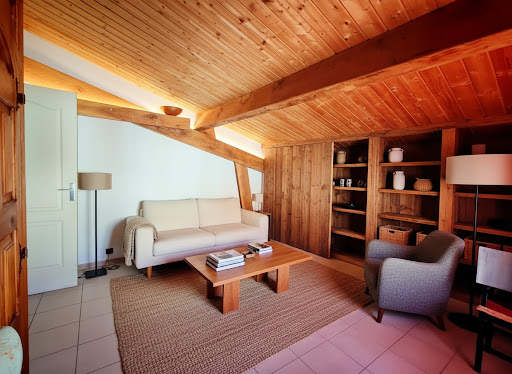


Thanks to its strong potential, this house located in Villaudric (Haute-Garonne), just a few minutes from Toulouse and Montauban, discover this authentic character house of 212 m² of living space, nestled in the charming village of Villaudric, offering stunning views of the valley and a peaceful living environment, in the heart of Occitanie.Upon your arrival, you will be charmed by the character of this home with generous volumes and a warm atmosphere.A friendly living spaceOn the garden level, the house offers:A beautiful, bright living room with exposed beams, adding charm and authenticity.An open kitchen to the living room, ideal for sharing moments with family or friends.Two comfortable bedrooms.A bathroom.An independent toilet.A floor with multiple possibilitiesUpstairs, a mezzanine distributes:A second kitchen, offering the possibility to create an independent apartment or a reception area.Two additional bedrooms.A bathroom.From the kitchen, you have access to a magnificent panoramic terrace, a true invitation to relax. You will enjoy an unobstructed view of the valley, perfect for savoring a coffee at sunrise or a dinner facing the sunsets.So call me to schedule a visit and become the happy owner.Badre BARNIReal estate advisorSelection Habitat MONTAUBANThis description has been automatically translated from French.
…By Agence Hamilton


What if Tuscany found its way to the Tarn? Some places instantly conjure images of long lunches beneath the trees, endless summer days by the pool, children laughing as they run through the gardens, and large family gatherings where generations come together around the same table. This elegant Florentine-inspired estate is one of those rare places. Beyond its wrought-iron gates, framed by handsome brick pillars, time seems to slow. Majestic century-old trees watch over nearly 5,600 sq m of beautifully landscaped grounds, while natural light fills every room of this authentic *maison de maître* of approximately 300 sq m. From the moment you step inside, the charm is undeniable: original double doors, antique terracotta floors, and a magnificent 19th-century staircase tell the story of a home that has been lovingly preserved. The impressive 50 sq m reception room opens seamlessly onto the gardens and swimming pool, creating the perfect setting for entertaining family and friends. At the heart of the home, the spacious family kitchen is where everyday moments become lifelong memories. Upstairs, seven bedrooms, two bathrooms, one shower room, and a generous home office provide ample space for everyone while preserving the warm, welcoming atmosphere that defines distinguished family residences. Outside, a 15 x 3.5 metre swimming pool, remarkable mature trees, and a large double garage complete this impeccably maintained property. Captivating for its authenticity, generous proportions, and timeless elegance, this exceptional residence is located just moments from the heart of Lavaur and all its amenities—only a 10-minute walk from the town centre and 30 minutes from Toulouse. It is an ideal home for those seeking a character-filled country estate that combines refined living with everyday convenience.
…By Midi-pyrénées Sotheby’s International Realty


Contemporary villa of 210 m² on a plot of 1,365 m², quiet and close to all amenities.On the ground floor, an entrance with storage opens onto a beautiful bright living room with generous volumes, with direct access to a large terrace. A modern, fully equipped kitchen, as well as a back kitchen/laundry room complete this living space. The sleeping area on the ground floor includes three bedrooms, one of which is a master suite, a second bedroom, and a third en-suite bedroom with a mezzanine. Separate toilets complete this level. On the first floor, a sleek mezzanine offers numerous layout possibilities: playroom, TV lounge, gym, library, or office.Another true asset of this villa is a T2 apartment, featuring large bay windows opening onto the terrace and benefiting from a communicating access with the main house. An ideal space for hosting family and friends, conducting a professional activity, or creating an independent living space.Outside, you will enjoy a pleasant garden with a pool, without any vis-à-vis, and offering an unobstructed view of the surrounding fields, a privileged setting for sharing beautiful moments with family or friends. A large garage of approximately 50 m² as well as an outdoor parking space allowing several vehicles complete the features of this property.Contact us today to arrange a visit!Your project, Our signature.Fees included of 3.6% VAT at the expense of the buyer. Price excluding fees €550,000. Energy class A, Climate class A Average estimated amount of annual energy expenses for standard use, based on the 2021 energy prices: between €802.00 and €1,087.00. Information on the risks to which this property is exposed is available on the Géorisques website: georisques.gouv.fr.Your adviser LA SIGNATURE TOULOUSAINE: Clément DE PINA ARAUJOCommercial agent (Individual business)
…By La Signature Des Coteaux


Toulouse — PBI CRUSH® Selection Situated in the Haute-Garonne department, in the Occitanie region, the town of Cugnaux stretches out between the shade of its plane trees and the red rooftops. At the heart of this unspoilt setting, this town offers the perfect balance between the vibrancy of the ‘Pink City’ and the horizon of the Pyrenees. It is in this exceptional setting, on the outskirts of the Toulouse metropolitan area, that PIERRES BLANCHES® presents ‘L’Accent de Lumière’. HISTORY A wine-growing region until the 19th century, Cugnaux was transformed by the boom in Toulouse’s aeronautics industry. Now part of Toulouse Métropole, it is asserting its economic ambition centred on its former airbase, which has been converted into an innovation hub and serves as a powerful driver of growth, breathing unique vitality into the town. THE SCALE OF THE LANDSCAPE Set on a 980 m² plot, this property combines old-world charm with remarkable versatility, offering a living environment where authenticity, space and potential come together in perfect harmony. The outdoor spaces hold the promise of a garden yet to be imagined, where plants, materials and views will reflect the lifestyle of its future owners. The swimming pool already sets the pace for summer days, whilst the well, a discreet witness to the passage of time, serves as a reminder of this property’s connection to its surroundings. THE GEOMETRY OF THE SPACES Built in the late 19th century, this property is an elegant part of Toulouse’s architectural heritage. The façades, combining local brick and pebbles from the Garonne – hallmarks of Toulouse architecture – tell the story of regional craftsmanship and lend this home a timeless identity. Behind its gate, the outside world fades away, giving way to an intimate atmosphere where tranquillity accompanies daily life. THE ART OF HOSPITALITY This characterful 318 m² residence spans the ages with its elegance intact. Designed to accommodate the precious moments of family life, it also reveals rare potential thanks to its two separate entrances, making it ideal for a professional venture or a multi-generational living arrangement. The layout of the rooms has been designed to ensure a smooth flow of movement whilst harmoniously separating the family living area from a separate professional space. The spaces unfold naturally, alternating between vast, light-filled reception areas and more intimate spaces. THE ESSENCE OF DREAMS Set apart from the bustle of the reception areas, the bedrooms form a secluded retreat dedicated to rest. Spread over two levels, the six bedrooms offer each occupant their own space, in an atmosphere conducive to calm and serenity. Whether they are used to accommodate a large family, visiting guests, or transformed into an office, a library or a creative studio, they adapt elegantly to life’s changing needs. The generous spaces and harmonious layout allow for as many scenarios as there are plans, making this home a place where privacy naturally finds its place. THE SPIRIT OF THE PLACE Entertaining comes naturally here. Conversations linger around the table, children head out into the garden, and the bay windows open onto the first summer meals. The house brings people together without feeling restrictive. As for the garden, it remains to be imagined: a landscaped terrace, an outdoor kitchen, an orchard or a few Mediterranean plants could all flourish there. Rare in its layout, the property features two entirely separate entrances. There are also three garages, two of which are accessed via a second road at the rear. KEY FEATURES Toulouse — The swimming pool, the well, the generous spaces, the ample parking, the immediate proximity to shops and schools, and the versatility of the layout: all these assets combine functionality with quality of life. It takes just twenty minutes to reach the Place du Capitole. This property offers a setting where projects can take shape, whether for a professional practice, a firm, offices, client reception or multigenerational living. 'The Accent of Light'. This characterful home, whose stones have been shaped by time, leaves it to its future residents to create their own fondest memories here. PIERRES-BLANCHES® Private viewing by appointment +33 (0)4 67 70 07 87 Caroline Mendegris +33 (0)6 71 50 33 46 Consultant and Sales Agent, RSAC Toulouse 104 305 933 © PIERRES-BLANCHES®, 2026. All rights reserved.
…By Pierres Blanches Immobilier


In the heart of the historic center of Montauban, it will charm you with the authenticity of its exposed wooden beams and typical stones from the Toulouse region.* Highlights of the property Generous area of 202 m² 5 bedrooms ideal for a large family Stunning 65 m² cathedral living-dining room bathed in light Fully open contemporary kitchen, centered around an intimate patio with no vis-à-vis 1 bathroom and 1 shower room 3 toiletsThe heart of the house is organized around a central patio, a true relaxation space, which brings rare brightness and a Mediterranean spirit. A perfect place for summer meals, reading moments, or entertaining in complete privacy.Thanks to its large 110 m² garage located on the ground floor and equipped with two access doors, this house offers you an ideal space to park several vehicles or benefit from a storage area.This description has been automatically translated from French.
…By Agence Hamilton


iad France - Emmanuelle De Barrau offers you: *** EXCLUSIVITY *** TOULOUSE 31200, an exceptional T7/8 architect-designed house of approximately 240m2, very elegant, in a quiet area, featuring 4 air-conditioned bedrooms each with their own bathroom and an office, a beautiful enclosed landscaped garden with a garage and a magnificent swimming pool. In a quiet setting, on a small sought-after street in the Croix Daurade district, this former Toulouse home from 1890 has retained all the charm of its brick and pebble walls. It has been extended and enhanced by an architect in 2023. This exceptional renovation offers a life fully oriented towards the magnificent garden and its lovely pool reminiscent of Tuscany. A beautiful entrance, with a dressing area and toilet, leads to the stunning living room of approximately 60 m2, with an open kitchen, which extends to a large sociable terrace with a view of the superb swimming pool, cypress trees, and oleanders. You are immediately charmed in the living room by the high ceiling and pretty beams, the warm solid wood parquet flooring, the brightness, and the wide 4 m sliding glass doors, the closed fireplace with its side benches. The high-end kitchen, with a dekton worktop and a solid wood high table for 4-6 people, blends perfectly with the elegance and charm of this magnificent living room. A pantry, as lovely as it is functional, is hidden behind a glass wall to accommodate a wine cellar, coffee corner, and clever storage. A second very cozy living room allows for privacy to watch a movie, read quietly, or play the piano. Its brick and pebble walls, parquet flooring, and solid wood doors add a lot of warmth and relaxation. The independent air-conditioned office of 16 m2, with sanitary facilities, allows for receiving visitors without passing through the main house. It can also be accessed through the TV lounge. Upstairs, there are two bedrooms, including a beautiful master suite with a dressing area, a lovely bathroom with double sinks, a bathtub, and a shower. A laundry room completes this level along with a private bathroom in the children's room. Away in the beautiful and well-maintained garden, the small outbuilding is set up to accommodate family, friends, or for short-term rentals. You will discover two beautiful spaces: - A magnificent bedroom with a bathroom. - A family suite with two rooms, including a large bedroom and a smaller one for children or as an office, as well as a bathroom. A covered terrace allows for relaxation in the shade, near the salt pool (7.50 x 2.70m). The garage can accommodate a small city car or plenty of storage. A wooden carport and the courtyard of the house also allow parking for 2 or 3 cars on the property. THE ADVANTAGES: - A sought-after location in Toulouse just minutes from the city center and its good schools (public high schools in the city center or private high schools in Côte Pavée, such as Saint Joseph or Le Caousou), in a pleasant and quiet neighborhood, close to amenities and transport. (bus L9 at the end of the street, metro line C in 2028). Access to the ring road via exit 14. - Pleasant neighborhood life, both towards Bonnefoy and towards the Saint Caprais church of Croix Daurade, with the Danièle Damin media library and the annex of the music conservatory. You will find many restaurants, shops, and local services. - An exceptional house for its elegance, intimacy, and quality of services: insulation, high-end aluminum joinery, electric shutters, reversible air conditioning in the bedrooms and office, as well as gas heating via cast iron radiators, new electricity, solid parquet, cement tiles, and brick and pebble walls. - The two guest rooms in the outbuilding provide significant rental income. - A very relaxing garden well designed to enjoy the pool and terraces in complete privacy. A remarkable prestigious property, very elegant, warm, and full of charm. Other photos and information available upon request, Emmanuelle de Barrau, real estate consultant, reachable 7J/7. Agency fees to be charged to the buyer. Price including fees: 998,000 euros. Price excluding fees: 970,000 euros. Fees including VAT to be charged to the buyer (2.89% of the price of the property excluding fees): 28,000 euros. A valid form of identification will be requested at the visit, in accordance with article L.561-5 of the Monetary and Financial Code. Information on the risks to which this property is exposed, including the legal obligation of vegetation clearance, is available on the Géorisques site: http://www.georisques.gouv.fr. This real estate advertisement has been drafted under the editorial responsibility of Mrs. Emmanuelle De Barrau, independent real estate agent (without holding funds), commercial agent of the SAS I@D France registered at the TOULOUSE RSAC under number 878547124, holding the real estate canvassing card on behalf of the I@D France SAS company.
…By Iad France


Second Empire building (1854) composed of 4 apartments with a total area of 280m². Building is empty except for the 3rd floor. Possibility to acquire in addition 3 covered parking spaces 300m away for €132,000 inclusive of fees.This description has been automatically translated from French.
…By Eurim


MAISON DE MAÎTRE FOR SALE IN TARN – 395 M² – 3.1 HECTARES PARK – 17 METERS SWIMMING POOL – RIVER – NEAR LAUTREC, ALBI, AND 1 HOUR FROM TOULOUSEAn elegant master house where time seems to slow downSome properties attract with their features. Others immediately touch you with the atmosphere they emit. This authentic master house belongs to the latter category.Behind its electric gate, a long cypress-lined driveway leads to the residence. As you move forward, perspectives open onto a wooded park of more than 3.1 hectares, where century-old trees converse with the large lawns, and where a river discreetly borders the property. From the very first moments, a feeling of serenity settles in.Located in the heart of Tarn, in the Saint-Julien-du-Puy area, near Lautrec, Réalmont, Albi, and only one hour from Toulouse, this property offers a rare balance between nature, heritage, and accessibility. Shops and services are quickly accessible, while the environment retains all the charm of the Tarn countryside.Built in the 19th century, this character house develops 395 m² of living space, to which nearly 150 m² of already insulated attic is added, offering remarkable potential. Its generous volumes, intelligent distribution, and quality environment allow for envisioning either a large family home or a prestigious second residence or a guest house project.But beyond the numbers, it is especially a house that invites you to live differently. Here, the seasons naturally rhythm daily life, meals extend under the trees, children regain the freedom of large spaces, and summer evenings take on a particular flavor by the pool.A house where every space naturally finds its placeThe ground floor has been designed for entertaining while maintaining a warm atmosphere.The equipped kitchen, open to a charming old veranda, serves as a genuine link between the house and the garden. Bathed in light, it naturally becomes the place for sharing breakfasts, family meals, or long conversations among friends.Two spacious reception lounges of approximately 60 m² each extend these living areas. One is enhanced by a fireplace that recalls the authentic character of the residence. The beautiful volumes, smooth circulation between the rooms, and solid wood floors create an elegant atmosphere without ostentation.The house has retained what makes old residences charming: generous rooms, beautiful brightness, and a true feeling of space. Nothing seems frozen here. On the contrary, everyone can easily imagine creating their own way of life.A floor that opens up numerous possibilitiesThe first floor hosts five particularly comfortable bedrooms, with areas ranging from 22 to 33 m².The organization of the spaces is one of the true assets of this property.Two independent staircases provide access to two totally distinct sleeping areas.The first leads to two bedrooms accompanied by a bathroom.The second leads to three other bedrooms and a second bathroom.This distribution is ideal for a large family so...This description has been automatically translated from French.
…By L'agence 27rue


Located on the heights of Cahors towards the pretty village of Montcuq, here is a beautiful property in a quiet location, not overlooked, 15 minutes from Cahors on 3 hectares with a salt swimming pool in a natural wooded environment. The main house, built over vaulted cellars, has been renovated on two levels, making the attic bright and spacious. Beautiful living/dining room with fireplace and wood-burning stove opening onto a lovely kitchen with access to the terrace - Original features have been preserved Total: 5 bedrooms + 2 bathrooms in the main house underfloor heating in certain living areas Two guest houses (18 m2 and 21 m2) as well as an outbuilding that can be converted. Two large barns, including a 175 m2 garage offering several storage or workshop spaces. Work will be required on some outbuildings. Ideal for a main residence, secondary residence or a gîte project.
…By Mouly Immobilier


Discover this beautiful character home of approximately 197m2 in a privileged environment. From the entrance, you will be charmed by the high ceilings, period moldings, and antique parquet floors, as well as the fireplaces that give this property timeless elegance. On the garden level: The house offers generous living spaces, with a reading room of 20 m2. A vast living/dining room of 47m2, bathed in light. The independent kitchen of 28m2, spacious and convivial, completes this living area. Shower room + WC 3.78m2. On the ground floor: 3 bedrooms of 13.80 / 24.13 / and 12.26 m2 as well as a shower room of 4.84 m2. Attic: 2 bedrooms of 14.52 and 11.26 m2 + dressing room of 8.15 m2. Bathroom of 5.77 m2. The exterior, set on a plot of approximately 1500 m2, offers a privileged living environment with its pool 10/5, terrace, pergola, summer kitchen, and ornamental pond. A second independent plot located opposite the property completes this ensemble offering the possibility of development according to your desires. A confidential address waiting for its future owners to write a new chapter in its story.This description has been automatically translated from French.
…By Prada Prestige Immo


Near Mirepoix Located on the edge of a charming village, this bright, characterful house will charm you with its comfort and peaceful surroundings. On a wooded and enclosed plot of 3993 m2, there is a 10m x 5m chlorine swimming pool and its terrace. Magnificent view of the Pyrenees! Consists of: Ground floor: entrance hall, fitted kitchen, living room opening onto a beautiful south-facing veranda, office room, library, boiler room, laundry room, access to the covered terrace on the pool side. On the 1st floor: landing, a large en-suite bedroom, an artist's bedroom/studio. On the 2nd floor: landing, bathroom, and 2 bedrooms. In the continuity of the house, friends or family space composed of: On the ground floor : living room, fitted kitchen. On the 1st floor: bedroom with en-suite bathroom and toilet , balcony terrace. On the 2nd floor: 2 other attic bedrooms. Detached chalet/workshop, carport and small outbuilding on land. It is not something you talk about, it is something you visit!
…By Europe Sud Immobilier - Esi
'%20stroke='%23DDAA3A'%20stroke-width='1.909'%20stroke-linecap='square'%20stroke-linejoin='bevel'/%3e%3c/svg%3e)
Receive by email any new listing that may match your search criteria
Your criteria :
By validating this form, you accept the general conditions of use of Le Figaro Properties.
These agencies offer a selection of luxury properties vente in Midi-Pyrénées. Feel free to contact them for personalized assistance.
For your search for an exceptional property, select from our luxury houses with panoramic views in Midi-Pyrénées, starting at $242,062. Offering exceptional panoramas, these 103 residences overlook the city and its surroundings. As the seasons pass, the spectacle is renewed without ever becoming tiresome. Depending on the area you are looking for, such as Condom, Castres and Toulouse, the living areas may vary and start at a minimum of 122 m². The largest properties rise to 1,850 m².
As part of your search for a luxury property, discover our catalog of 608 luxury houses with a terrace in Midi-Pyrénées, offered from $242,062. Outdoor meals or summer receptions, the terrace extends the house outdoors. Property listings are found in particular in Toulouse, Montauban and Lavaur. The houses listed in our listings offer attractive living areas measuring between 75 m² and 3,500 m².
Set down your suitcases without waiting: our catalog brings together 26 furnished luxury houses in Midi-Pyrénées, with a starting price of $489,752. From the living room to the bedrooms, each residence is tastefully furnished and ready to live in. Property listings are particularly numerous in the following areas: Toulouse, Lavaur and Saint-Lary-Soulan. The average price of this furnished stock stands at $3,137 per square meter. Living areas reach 1,500 m² for our largest properties.
As part of your search for properties of excellence, browse our privileged selection of 636 luxury houses with a pool in Midi-Pyrénées available from $275,838. These exceptional residences enjoy prime locations, particularly in Toulouse, Condom or Lavaur. Whether the architecture of these houses incorporates a covered indoor aquatic space or a vast outdoor pool, each property flourishes amid remarkably landscaped grounds measuring between 90 m² and 170 ha.
Your receptions deserve a setting to match: discover 31 luxury houses with a reception room in Midi-Pyrénées, starting at $449,221. These residences combine family privacy with spaces dedicated to major events. Family gatherings, business dinners or parties with friends naturally find their place there. The fashionable addresses are located in Albi, Figeac and Mirande. Depending on the property, the property area extends up to 70 ha.
The beach as an extension of the garden: this is the spirit of 3 luxury houses by the sea in Midi-Pyrénées, for sale from $336,634. Your life there will be organized to the rhythm of the coastline, between sea bathing and walks. Bressols, Graulhet and Montauban enliven the local market. In these residences, the minimum recorded living area is 128 m².
Anchor your daily life at the water's very edge: this is what the 6 luxury houses right on the water in Midi-Pyrénées allow, for sale from $494,286. These rare residences provide direct access to the shore, with no obstacle to cross. In the geographical area, Lavaur, Castelsarrasin and Caylus account for a significant share of our listing catalog. The average price per square meter stands at $3,756. Expect living areas measuring between 185 m² and 504 m². In our selection of listings, a property can have up to 10 rooms.
Within our catalog, 3 luxury houses listed as historic monuments in Midi-Pyrénées are for sale, starting at $1,012,155. These residences perpetuate exceptional architectural expertise. Acquiring one means continuing a story that began long before you. Your search can focus on Ambeyrac, Condom and Mirepoix. The properties recorded in our listings have between 5 and 6 bedrooms. The grounds in our collection measure 2,755 m². This can rise to 8.2 ha depending on the property.


