Get early access to listings that match your criteria
Never miss an opportunity again. Our personalized alerts notify you instantly.

 English$ USD · m²


Ideal for tourism professionals, investors, or those looking to change careers with a life project, this remarkable estate combines art of living, heritage, and potential. Its rarity in the Rocamadour sector is an undeniable asset. In the heart of the Lot department, in immediate proximity to iconic sites such as Rocamadour (the second most visited site in France) and the Gouffre de Padirac, discover this magnificent 18th-century stone estate, nestled in a natural, calm, and preserved environment. Organized like a true hamlet, this beautiful property develops a strong seasonal rental potential and offers a rare and intimate setting in the center of a particularly sought-after tourist area. The layout as a hamlet guarantees both conviviality and intimacy, a major asset for a gîte and tourist hosting activity. The property extends over 5 hectares and consists of 4 independent charming gîtes, fully renovated with taste, combining comfort and authenticity, and a lovely stone house with its private garden for the owners, all harmoniously scattered throughout the park. A beautiful secure swimming pool area (15 x 7) with travertine beaches and a liner replaced in 2023 enhances the property and will delight guests after their walks and visits in the region. The 4 gîtes can accommodate 25 people while preserving the independence and intimacy of each family or group of friends: A 2-person gîte, it has a garden and independent access to the estate, equipped kitchen, living room, one bedroom, shower room, terrace, with an area of 33m2. A 6-person gîte, an old bakery that with its bread oven forms an unusual gîte, equipped kitchen and dining room, living room, 3 bedrooms, terrace, with an area of 120m2. An 11-person gîte, equipped kitchen, living room/dining room, 6 bedrooms, 3 shower rooms, laundry room, large terrace with views of the countryside, with an area of 220m2. A 6-person gîte, equipped kitchen, living room/dining room, 3 bedrooms, shower room, terrace overlooking the pool, with an area of 110m2. The owners' residence, with an area of 280m2, comfortable and warm, presents a certain charm, composed of an equipped kitchen, a very pleasant living area, 3 bedrooms and an office (or 4 bedrooms), 2 shower rooms, and benefits from a terrace and a lovely private garden. Each house has retained the charm of the old: exposed stones, generous volumes, authenticity, and character. This magnificent estate offers a peaceful atmosphere in the heart of nature and an ideal setting to recharge. The pool will allow for moments of relaxation outdoors, a welcoming terrace to enjoy the sun, and a carefully maintained garden for relaxing walks. STRATEGIC LOCATION: Located in the heart of the major tourist sites of the Lot and surrounded by charming villages, the property has a privileged location, ensuring constant appeal for both French and international clientele. It is also a sports destination for hikers, cavers, and especially divers in underground rivers, which make up 25% of the loyal clientele of this estate. ASSETS FOR INVESTORS: High tourist traffic area Immediate operational activity Diverse accommodation capacity (couples, families, groups) Owner residence on site About 30% of loyal clientele Strong development potential: events, company committees: seminars, weddings, wellness retreats, possibility of unusual accommodations in the natural space, possibility of guest rooms in the main house. The configuration allows for: optimized and profitable seasonal operation A possible upgrade. Diagnostics are currently being performed. I remain at your disposal, with pleasure, for any additional information and financial elements regarding this elegant property that will not leave you indifferent. Do not hesitate to contact me! Information about the risks to which this property is exposed is available on the Géorisques site: www.georisques.gouv.fr. Sale price: €1,198,000. Seller's fees. Contact your SAFTI advisor: Véronique ROUILLÉ, Tel: 0670868089, Email: [email protected] - EI - Commercial agent registered with the RSAC of Cahors under the number 920737848This description has been automatically translated from French.
…By Safti


With a beautiful view of the Pyrenees, just 8 minutes from L'Isle Jourdain and the N124 access towards Toulouse-Auch, this very beautiful old house has been renovated in a very contemporary way with beautiful materials, generous volumes, and offers a large partly wooded plot of 4,325 m² with a double garage and carport, as well as a dependency to renovate (for a project such as a pool house, for example).242 m² with on the ground floor a spacious living room and its beautiful equipped kitchen, a large room that can serve as a bedroom or office, a parental suite with bedroom, shower room, and dressing. Upstairs, a mezzanine, 2 bedrooms, and a shower room.Heating by reversible ducted heat pump, aluminum carpentry.This description has been automatically translated from French.
…By Arkemys


Located in the heart of Mauvezin, very beautiful village house of 240 m² with a living/dining room of 60 m², kitchen, 4 bedrooms, shower room, and bathroom. Garden of 396 m².Quality features: gas boiler, radiators, air conditioning, and insulation redone in 2014, windows on the street side redone in 2013 (high-end).This description has been automatically translated from French.
…By Arkemys


Daniela Big, your independent real estate advisor, presents you with an exceptional investment opportunity in the heart of Mirepoix. Within the famous medieval bastide from the 13th century, discover an exceptional hotel establishment where the charm of heritage meets the excellence of hospitality. Classified as a Historic Monument, this 4-star hotel covers approximately 600 m² and has a solid reputation established over more than 30 years with a French and international clientele. Behind its characterful facade, the generous volumes highlight noble materials, antique woodwork, remarkable architecture, and elegant decor that provide a warm and refined atmosphere. The establishment offers: 8 characterful rooms and suites, from 18 to 70 m², all equipped with their own private bathroom. An elegant reception lounge. A privatizable seminar room. A pleasant inner courtyard, a true haven of peace. A restaurant room that can accommodate approximately 50 covers. A superb covered wooden terrace, ideal for sunny days. A secure garage allowing parking for bikes, motorcycles, and clients' vehicles. The whole property is perfectly maintained and requires no work. It is sold fully furnished and equipped, allowing for immediate resumption of activity. A profitable investment with strong potential. The price includes the walls and the business assets, offering a complete acquisition of this iconic establishment. This property is aimed at both a heritage investor and a hospitality professional looking for a turnkey establishment that combines prestige, authenticity, quality of life, and profitability. A rare address where history, charm, and elegance come together to offer a unique experience to your future clientele. For any additional information or to arrange a confidential visit, please contact me. Fees charged to the seller. Energy performance diagnosis in progress. Information on the risks to which this property is exposed is available on the Géorisques website: georisques.gouv.fr. Your We Invest France advisor: Daniela Big, Commercial agent (Individual business), RSAC 534 813 381 FOIX. Information on the risks to which this property is exposed is available on the Géorisques website: www.georisques.gouv.frThis description has been automatically translated from French.
…By We Invest Real Estate France


In Belberaud, in a calm and sought-after environment, discover this magnificent individual house of 300 m² of living space, fully renovated, built on a closed plot of 1,700 m² with a view of the Pyrenees.Spread over two levels, this property offers beautiful volumes, a nice height under the ceiling, and exceptional brightness. The living spaces, open and warm, benefit from quality services and careful finishes.The house consists of a pleasant living room bathed in light, a perfectly integrated contemporary kitchen, 5 bedrooms, as well as 2 bathrooms, offering ideal comfort for a family or for creating spaces dedicated to telecommuting.A rare asset completes this property: a basement of approximately 160 m² including an 85 m² garage allowing for the parking of several vehicles, as well as an independent T2 apartment of 80 m². This additional space offers numerous possibilities: housing for a relative, independent suite, professional activity, or rental investment.Outside, you will enjoy a pleasant landscaped garden of 1,700 m², enhanced by a south-facing swimming pool and a large terrace, providing an ideal setting for moments of relaxation and conviviality.The property also has several private parking spaces accommodating up to five vehicles.Completely renovated, this house requires no work. It appeals with its generous volumes, quality services, potential, and its privileged location just 8 minutes from the future Labège metro station and 30 minutes from Blagnac airport.A rare property in the Belberaud area, to discover quickly.Legal notices:The information presented in this announcement has been prepared carefully by Zefir based on the elements available at the time of drafting. It is provided for informational purposes and does not replace regulatory diagnostics or the usual technical and administrative checks related to a real estate acquisition. It complements the checks related to urban planning rules, easements, and official documents consultable by the buyer. For any information about natural, mining, or technological risks, it is recommended to consult the official Géorisques website. Zefir supports buyers with transparency and rigor throughout their project and remains available to provide details about the property or the steps to follow. For any questions, contact Zefir at 07 57 91 70 93.This description has been automatically translated from French.
…By Zefir


Exceptional 15th-Century Private Estate -- Quercy Blanc Set within 37 hectares of private woodland, meadows and parkland in the heart of the Quercy Blanc's renowned Golden Triangle, this remarkable estate traces its origins to the fifteenth century and was rebuilt upon the remains of a fortified château. Meticulously restored over recent years, the estate combines historic authenticity with he comfort and ease of modern living. Unlike many historic properties, this is not an estate reserved for a few weeks each summer. It is a home designed to be lived in throughout the year. At the heart of the property stands the principal residence, encompassing approximately 665 sqm of living space. Grand reception rooms, soaring cathedral ceilings, monumental stone fireplaces, ancient Auberoches stone flooring, bespoke microcement finishes, lime-plastered walls and custom oak joinery create interiors of exceptional character. The spaces are generous, filled with light and equally suited to everyday living and large-scale entertaining. The custom-designed kitchen, executed in a sophisticated blend of grey and brown tones, combines Gaggenau appliances with Dekton work surfaces and forms the natural heart of the home. Luxurious suites, beautifully appointed spa-inspired bathrooms and elegant living spaces complete a residence that feels both impressive and welcoming. Yet what makes this estate truly exceptional extends beyond the residence itself. A light-filled 180 sqm artist's studio provides space to create. A 120 sqm professional studio offers exceptional flexibility, equally suited to music, wellness, retreats, workshops, exhibitions or any number of future possibilities. A separate 60 sqm apartment and a 100 sqm caretaker's house allow family, guests or staff to enjoy independence while remaining connected to the estate. A historic mill, a barn and numerous ancillary buildings add further depth, history and flexibility. Together, these spaces create a complete ecosystem. A place where family life, creativity, work, hospitality and retreat coexist naturally. The estate adapts to its owners and evolves with them over time, offering the rare freedom to live, create, host and pursue new projects within a single property. Outside, magnificent terraces overlook two spring-fed lakes, mature woodland, open meadows and rolling countryside. A heated 14 x 4 metre swimming pool with stone and timber terraces blends naturally into its surroundings. The landscape is both beautiful and private, creating a sense of calm that is increasingly difficult to find. The estate is equally remarkable to explore on foot. Woodland paths wind through the property, allowing owners and guests to walk for up to 45 minutes without ever leaving the estate, discovering hidden corners and changing perspectives along the way. At the highest point of the property, a secluded bench overlooks the surrounding countryside and the famous white stone landscape of the Quercy Blanc. Surrounded by nature and silence, it is a place that feels almost suspended above the world. Ideally positioned just 7 minutes from Castelnau-Montratier, 10 minutes from Montcuq, 15 minutes from Lauzerte, 20 minutes from Cahors, 35 minutes from Montauban and a little over one hour from Toulouse International Airport, the estate offers complete privacy without isolation. The estate is remarkable in its own right. It is the combination of residence, studios, independent accommodations, nature and privacy that sets this property apart.
…By Wheeler Property


Locality : near MIREPOIX - Very fine property based round renovated farmhouse, rural location on 2,8 hectares of adjacent tree-shaded land. Swimming pool 8m x 4m. Spacious main house in the 'longhouse' style with c. 327m2 of living space. Ground floor : entrance, sitting-room with closed hearth fireplace, living-room/kitchen, large summer living-room (92m2 with living-room, library, study, linen store, WC) leading to elevated covered terrace., shower-room, WC, bedroom and bed-sitting-room. First floor : 3 bedrooms, shower-room, bathroom (with bath), WC, linen storage. Heating by wood fire plus electricity. Opposite : former cowshed (100m2) used as garage, workshop, etc. Our assessment : A beautiful property with many plus points, notably the excellent state of repair, the quality of the renovation, the quiet charm and the individual character.
…By Europe Sud Immobilier - Esi


Located in Saint-Sulpice-la-Pointe (81370), this magnificent 19th-century castle is a true oasis of peace in nature, just 20 minutes from Toulouse. Nestled in a 6-hectare park with a pond, a waterhole, and a swimming pool, the environment offers a lush and unique setting, ideal for nature and history lovers.The property includes a 448 m² house with 8 bedrooms, 5 toilets, and 14 bathrooms. The exterior features a 70,000 m² plot offering 8 parking spaces. The castle stands out for its period architecture, beautiful double-glazed wooden joinery, and its south-facing exposure, providing optimal brightness.Inside, the 240 m² ground floor offers a dining room, a fully equipped kitchen, a living room, an office, a bedroom with a bathroom and dressing area. Upstairs, 7 beautifully decorated bedrooms with their own bathrooms and adjoining toilets. The 240 m² basement is fitted out as workshops, a laundry room, a summer kitchen, and storage areas. A unique opportunity to experience château living in an exceptional setting.Information about the risks this property is exposed to is available on the Géorisques website: www.georisques.gouv.frSelling price: €1,250,000Seller's fees includedContact your SAFTI advisor: Adrien FABRE, Tel.: 0663104558, Email: [email protected] - EI - Commercial agent registered at the Toulouse RSAC under number 911503399This description has been automatically translated from French.
…By Safti


Behind its elegant façade, this 1930s residence beautifully combines authentic charm with modern family comfort. Bright and welcoming, the home features beautiful parquet flooring, high ceilings, and a fireplace that enhance its character and warmth. The inviting living room, spacious kitchen, and study create comfortable and functional living spaces for everyday life. Offering 216 sqm of living space, the property also includes four bedrooms and a bathroom, while the garden level features a second independent living area with a lounge, bedroom, and shower room, offering numerous possibilities. Double-glazed windows and an efficient pellet boiler ensure excellent energy performance and year-round comfort. Outside, the vast 1,840 sqm garden forms a true green haven in the heart of town, enhanced by a large built swimming pool with solar rolling covers. A garage completes this charming property, ideally located within immediate reach of all amenities. A rare opportunity on today’s market.
…By Midi-pyrénées Sotheby’s International Realty

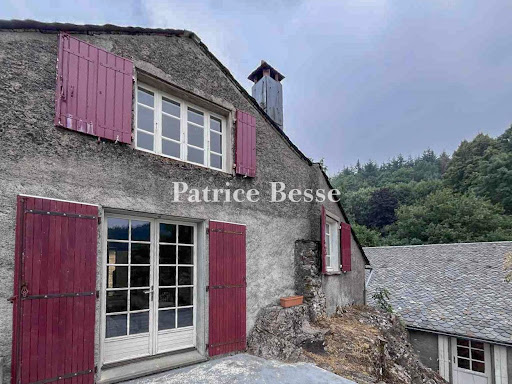


A collection of three houses and annexes with nine hectares of woods and meadows in a 500-hectare public forest, near Castres in south-west France. From a country lane, a 1,800-metre-long track in good condition leads to the collection of buildings. A private drive takes you there with a view down over the place: the countryside stretches to the horizon and the first rooftops appear in the foreground. With dry-stone retaining walls that have been well-maintained, the plot has been landscaped harmoniously. Grouped together, except for the garage, the buildings are similar in appearance, with slate roofs and white rendering. There is a main house, a gîte and a former chapel that has been turned into a dwelling. Each of these three dwellings has a ground floor and a first floor. Beside them there is a barn, a woodstore and a garage. Several terraces follow the natural slope of the land. They are not at all overlooked, so they preserve the dwellers’ privacy. In this calm haven, no unwanted noise or sight spoils the peacefulness of the property. Furthermore, there are natural springs, which ensure the buildings are supplied with water. And the public forest that surrounds the property ensures absolute tranquillity.
…By Patrice Besse


A 19th-century village dwelling and its 1,500-m² garden with a swimming pool, in the Volvestre region. Built at the end of 1800, the manor house stands in the middle of the village, off of a peaceful square planted with trees, while, behind the dwelling, a garden, of more than 1,300 m², is surrounded by old stone walls. Accessible via a wrought-iron gate, which gives on to the garden (and thus the dwelling), the latter’s front door also opens directly on to the village square. As for the three-store dwelling, facing north-south and extending over approximately 370 m², it is mainly made up of a charming village dwelling, built at the very beginning of the 19th century, with spacious proportions and many ancient details, whereas its exteriors are cadenced by a number of sporadically placed, wood-framed windows and doors, surrounded by thin bricks, typical of the region. In addition, the dwelling’s terracotta foundation, stringcourses and quoins, which border some of the windows, contrast nicely with its pale plaster-coated exteriors, while the dwelling’s overall asymmetrical composition is proof that this edifice was built in three different stages: the original three-storey manor house, followed by the square, perpendicular tower and, finally, the single-storey outbuilding, currently used for professional purposes, the latter of which contributes not only to the composition’s overall rationale, but extends its façade along the square. Topped with a barrel tile gable roof, the dwelling specifically includes six bedrooms, a dual-aspect living room, a billiard room in the attic and a large kitchen/dining room, whereas, boasting a vast array of architectural characteristics, typical to the area, this dwelling provides an illustrious example of the region’s 19th-century architectural landscape.
…By Patrice Besse


Beautiful manor house of approximately 360 sq m of living space, in very good overall condition, located in a peaceful village and set within a 2,100 sq m garden with swimming pool. The ground floor comprises a large living room with fireplace, a dining room with fireplace, a large fully equipped kitchen, a games room and a shower room. On the first floor: 4 bedrooms and 2 bathrooms, with parquet flooring. The second floor offers 2 additional bedrooms and an attic. Central heating with a very recent boiler and double glazing. The property also features a 12 x 5 m swimming pool with pool house, a triple carport and a technical room with sauna and storage area. A well and a stone-paved inner courtyard with a small farmyard complete this property. Shops are just 5 minutes away, Tarbes TGV station is 20 minutes away and Tarbes airport is 25 minutes away. Ski slopes are approximately one hour's drive away.
…By Barnes Biarritz


An avenue of flowering mature trees leads to an immaculate farmhouse courtyard beyond which the Master's house emerges, a signature for the village, with superb unspoilt views of the surrounding countryside to the south. The elevated position gives the impression of owning hectares and without the maintenance, all while maintaining privacy without being overlooked. A split level flower and tree-lined south garden has an outdoor kitchen and entertaining area to the upper terrace and a recently modernised swimming pool on the lower. This superb building has retained most of its old feature, such as fireplaces, tile and wooden floors, doors and high ceilings. Tranquillity reigns in this very relaxing place and your mind immediately calms with the sounds of nature and the country. This unique property must be visited to truly discover and enjoy the building, aspects and location in beautiful combination and I will be delighted to be your guide. Information on the risks to which this property is exposed is available on the Georisques website: www.georisques.gouv.fr »
…By Agence Hamilton


In the heart of Mirepoix, beautiful town house of 202 m2 of living space on 3 floors with small private courtyard of 28 m2 and outbuilding. Consists of: On the ground floor: entrance hall, fitted kitchen and dining room, living room opening onto the interior courtyard. 1st floor: landing, large living room, master bedroom with shower room/toilet and dressing room, 2nd floor: landing, 2 bedrooms, en-suite bedroom with bathroom and shower room toilet. Beautiful 21 m2 terrace. Close to the center and all amenities: shops, school, college, high school. Quality renovation, guaranteed to be a hit!
…By Europe Sud Immobilier - Esi


CHARMING 19TH-CENTURY PROPERTY WITH GREAT POTENTIAL Approx. 170 m² of living space on a 926 m² plot. 4 bedrooms, spacious living room, large kitchen and generous living areas. Additional space to be fully converted, with potential for a separate guest house or annex. Carport for up to 4 vehicles. A unique renovation opportunity close to transport links and amenities.
…By Cabinet Bedin


Alexandre Liachenko, specialist in sales of exceptional estates, offers you exclusively North of Toulouse in the beautiful south-west region where life is good, a majestic estate of character from the 17th century...To discover... With no less than 1000m² habitable on more than 30,000m² of land with charm, old stone... Fruit of a recent restoration which combines design and comfort, it offers a unique place to live with its configuration, its privileged location, its reception potential which promise a heavenly living environment. For events, with 4 large cottages, 7 guest rooms, 1 guest tables all with very high-end services, potential close to 50 beds, For unique event: a very beautiful reception room, in stones, of 200m2 (capacity of 150 people seated) and a mezzanine of 120m2, changing rooms, catering area with cold room A building for wellness area or additional gite to be finalized, a wooded park, a large car park of more than 100 spaces. The entire estate is fully equipped with professional equipment, high-end hotels, Facilities: *1 hour from Toulouse Blagnac airport *40 minutes from Montauban *1 minute from the village with small shops: bakery, restaurants, bars, pharmacy. Historical sites etc. Possibility of full coverage for seasonal rental. Complete file, photos, Dronne film, 3D visit, everything will be communicated to you after an appointment,
…By Agence Hamilton


Located on the border of the Tarn and Aveyron departments in Southwest France, this fully restored, authentic19th-century water mill offers a unique combination of character, privacy, and modern comfort. The property, dating from 1850, has been carefully renovated by the present owners and is sold fully furnished and equipped. It comes with approximately 5 acres (2 hectares) of landscaped grounds with river frontage and a stunning, 10 m waterfall. Accessed via an electric gate and private stone bridge, the estate enjoys a peaceful and natural environment. The trout river running through the property attracts local wildlife, including deer, otters, and kingfishers. The mill's original mechanisms have been restored and are fully functional, offering the possibility to produce flour or walnut oil, or simply to preserve this rare historical feature. Property Overview: - Approx. 425 m² total living space - Main house with 3 bedrooms/2 bath-shower rooms - Independent 1-bedroom guest house (sleeps 2-4) - Additional guest accommodation by the pool The main house is spacious and filled with natural light. It includes: - Open-plan kitchen and dining area - Two living rooms - Library/office - Reception area featuring the original millstones - Ground floor bedroom - An ensuite bedroom and a bedroom and shower room on the first floor The guest house (former miller's house) is fully independent, with: - Kitchen and living area - Shower room - Large private balcony Outdoor Features: - Heated swimming pool (13m x 6m) - Pool house with kitchen, covered terrace, barbecue area, additional guest bedroom and shower room - Multiple terraces with views of the river and waterfall (approx. 10m high) - Fruit trees, vegetable garden, and landscaped grounds - Spring-fed automatic irrigation system Additional Buildings: - Cellars (including wine storage) - Outbuildings suitable for storage, workshop, or further development Technical Features: - Underfloor central heating (ground floor) + radiators (upper floor) - Fibre optic internet - Wood-burning stove in guest house - Natural spring water supplying garden and pool - Potential to install a third turbine for private hydroelectric power generation The property is set in a wide, private valley. The mill is positioned on the inner bend of a river and elevated two storeys above the water level, which has ensured it remains protected from flooding, even during severe weather conditions over the past 200 years. Area: - Located on the border between the Tarn and Aveyron - 5 minutes from 3 historical villages with first amenities (local markets) - A large choice of restaurants within 20 minutes - 40 minutes from Albi (world heritage listing) - 1h30 to Toulouse International Airport Key elements of attraction - Independent guest accommodation - Unique historic feature (working mill) - Strong lifestyle appeal (nature and wildlife, privacy, water features) - Fully furnished and equipped - Suitable as a primary residence or holiday home - Within an 1h30 of Toulouse International airport Virtual viewing available
…By Agence Hamilton


The Art of Living in Occitanie: Master Estate and its Secular ParkImagine a place where nineteenth-century charm meets modern-day sweetness of life, just 45mn from Toulouse and its airport. Welcome to this sumptuous Maison de Maître, an exceptional property nestled in the heart of an 8600m² enclosed park with mature trees, a true haven of peace located just 5mn from all amenities. Here, time seems to stand still to make way for elegance and authenticity.A Flamboyant and Warm Main ResidenceFrom the entrance, the tone is set. The majestic 26m² entrance adorned with beautiful period tomettes opens onto reception rooms where every detail has been thoughtfully designed. Travel through the living spaces: a cozy 25m² living room with its original cement tiles and insert fireplace, a refined 24m² dining room, and a charming 12m² veranda bathed in natural light. The 11m² equipped kitchen also provides access to a large 53m² laundry room converted from the former stable.On the night side, the main house offers 5 spacious bedrooms and 4 bathrooms, including a suite on the ground floor with its own shower room and toilet. Upstairs, you will discover two bedrooms with their own shower rooms, as well as two other large bedrooms of 25 to 26m² sharing an 8.5m² bathroom. The perfect blend of old-world charm and modern comfort, complemented by a convertible attic of approximately 90m².An Outdoor Space Dedicated to Pleasure and RelaxationThe property's park is a daily enchantment. Entirely enclosed and wooded, it features a beautiful swimming pool, a pool house, a summer kitchen, and a private pétanque court that promises long afternoons of companionship with family or friends.A Unique Potential and Careful AmenitiesIn addition to the main residence of 235m², the estate has an independent apartment of 65m² with two bedrooms, a living room leading to a covered terrace, a kitchen, a shower room, and a toilet. Ideal for welcoming your loved ones in complete privacy or creating a charming guesthouse.For those passionate about large spaces or major projects, a total of 280m² of outbuildings offers multiple layout possibilities, including a first 55m² garage with an upper floor of the same area, a second 43m² garage, a 33m² cellar, a 20m² workshop, and the 50m² laundry room floor.On the technical side, absolute serenity: the electricity has been redone, the windows are double glazed, the insulation is glass wool, all roofs are in good condition, and the septic system was installed two years ago. The central heating is oil-fired, and the property also has a well and mechanical ventilation.This description has been automatically translated from French.
…By L'agence 27rue


In Saint-Lary 1700, opposite the Bouleaux chairlifts, the 'Chalet Lodge' reveals a rare and privileged way of life. Here, the mountain is reached in just a few steps: simply cross the road to glide directly onto the slopes. Designed and furnished by one of the architects of the Accor group, this exceptional chalet has been completely redesigned down to the smallest detail. Sculpted volumes, custom-made storage, a perfect harmony between aesthetics, comfort and functionality. Built on three levels, it offers an ideal living environment for families seeking tranquility as well as for lovers of the mountains and wide open spaces. The main level features a beautiful, light-filled living room, enhanced by a perfectly integrated skylight, with the Arbizon peak as a backdrop. The open-plan kitchen, both welcoming and functional, flows seamlessly into the dining room, inviting shared moments. The balcony extends these moments, ideal for enjoying sunny days. Upstairs, the sleeping area consists of three comfortable bedrooms, a bathroom and a separate toilet, offering peace and privacy. The lower level offers two additional bedrooms, each with its own bathroom, ensuring optimal comfort for hosting family and friends in complete independence. Finally, Le Chelet Lodge stands out for its meticulous services: a functional ski room, redesigned spaces with a decidedly design aesthetic, and an elegant industrial-style staircase that adds a contemporary touch to the whole. A rare find, where exceptional location, inspired architecture and the art of mountain living come together. This chalet, sold furnished, is located in a horizontal co-ownership comprising 300 lots, including 62 individual chalets. The monthly charges amount to approximately EUR90. It is being sold with agency fees included (EUR25,000 including VAT, payable by the buyer). For any information, please contact the Pascale Pyrénées Immobilier agency - RCS Tarbes B 479 731 416 - Professional license No. CPI 6501 2016 000 007 744
…By Pascale Pyrenees Immobilier


GERS CHATEAU 18th Century 70 HA LAKE 2 HA. Dominating the Gascon valleys, this remarkable estate from the 18th century (built between 1780 and 1787) extends over 70 hectares of contiguous land, enhanced by superb bodies of water (approximately 2 ha) and offering a spectacular panorama facing the Pyrenees mountain range. The architectural ensemble revolves around two intimate inner courtyards and encompasses more than 1,200 m² of living space, complemented by 600 m² of convertible outbuildings. The built structure includes: A ceremonial Château (approx. 630 m²): Vast reception salons with period fireplaces, 9 complete suites combining historical charm and comfort. Independent accommodations: 2 gîtes of 100 m² each and a 100 m² caretaker's house (totaling 18 bedrooms on the estate). Outbuildings & heritage: Renovated chapel, orangery, dovecote, 300 m² of dedicated reception spaces, cellar, and swimming pool with terraces. Rare development opportunity: The estate benefits from a 3.5-hectare buildable zone dedicated to leisure and tourist accommodation projects, allowing for the establishment of luxury lodges in the heart of a preserved natural environment. Ideal for a large private family property, a boutique wellness hotel, an eco-resort project, or a prestigious event domain. Key features: Living area: approx. 1,200 m² (18 bedrooms). Outbuildings: > 600 m² convertible. Land: 70 ha including 3.5 ha buildable (leisure/lodges) and 2 ha of lakes. Amenities: Swimming pool, ceremonial salons, chapel, orangery, panoramic view of the Pyrenees, private parking.This description has been automatically translated from French.
…By Property And Consulting


Recent architect-designed house of 149 m² - Energy Performance Certificate A - 40 m² terrace roof - total basement - 500 m² land. Located in a residential neighborhood, this architect-designed house completed in 2022 offers 149 m² of living space on a 500 m² plot. You will be immediately charmed by its beautiful bright living room of 55 m², facing south, including a living room, dining room, and high-end open kitchen. The house consists of 3 bedrooms including a master suite upstairs, 2 bedrooms on the ground floor, 1 bathroom, 1 shower room and dressing room in the suite, and 2 independent toilets. The floor reveals very beautiful structural elements. It consists of a mezzanine that overlooks the living room and provides access to a terrace roof of approximately 40 m² with a view of the hills. An ideal space to imagine a relaxation area with a pergola, spa, ... The master suite includes a bedroom with a balcony, a dressing room of more than 10 m², a shower room with double sinks and a large Italian shower. The house is built on a complete basement allowing for parking two vehicles, with a laundry area and space for storage and leisure. Outside, a pool, whose concrete structure is already completed, remains to be finished. Some finishes (pool, fence, landscaping) are yet to be anticipated. Estimates are available, allowing the future owner to finalize the arrangements according to their tastes and desires, while enjoying a recently constructed quality home.Agency fees of 4.21% including VAT charged to the buyer (475,000€ excluding fees). Your commercial agent 3G IMMO on site EI - Janick PREST registered with the Toulouse RSAC n° 898 165 337. According to article L.561.5 of the Monetary and Financial Code, when organizing the visit, you will be asked for an identity document. Information on the risks to which this property is exposed is available on the Géorisques website: www.georisques.gouv.frThis description has been automatically translated from French.
…By 3g Immo Prestige


Caraman, in a unspoilt setting, just around thirty minutes from Toulouse, in the heart of the Lauragais, an authentic Lauragais farmhouse offering approximately 320 sqm of living space, which has undergone a complete renovation, combining old-world charm with modern amenities. Its excellent energy performance rating (DPE A) is testament to a particularly meticulous renovation. As soon as you enter, the generous proportions and natural light showcase the original features: stone walls, exposed beams and large windows. The ground floor is organised around a spacious reception area comprising a living room, a cosy dining room, a family kitchen and a ground-floor bedroom. Upstairs, the sleeping area comprises three bedrooms, each with its own terrace, including a comfortable master suite. Outside, the property extends over a plot of over 6,600 m², featuring a swimming pool, a meadow suitable for keeping animals, a henhouse, outbuildings and a garden shed. The property enjoys a peaceful setting and unobstructed views of the Pyrenees mountain range. A property full of character, combining authenticity, generous proportions, energy efficiency and quality of life, in the immediate vicinity of Toulouse.
…By Barnes Toulouse


On a plot of 3,984 m², discover this real estate complex with high potential, ideal for a heritage investment or a valorization project.It consists of: A T5 house of 200m2 with an adjoining plot. A professional space of 380m2. A building with 6 apartments of 514m2, including 3 T2 of 35m2 each, 2 T3 of 62m2 each, and 1 T4 of 140m2.This complex offers multiple exploitation possibilities: rental income, restructuring, division, or development, depending on your project.Property tax: €12,241/year. A rare asset on the market, intended for investors looking for a high-potential asset. Agency reference: 6366This description has been automatically translated from French.
…By Orpi Saint Georges


A rare 17th-century castle estate in Tarn-et-Garonne Located amidst the gently rolling valleys of Tarn-et-Garonne, near the lively village of Roquecor, this small, exceptional castle estate offers a rare combination of absolute privacy, extraordinary interiors and beautifully landscaped grounds. Accessible via a private driveway and opening onto imposing wrought-iron electric gates, the property spans just over 61 hectares, with the château discreetly positioned at the end of its own drive and surrounded by its grounds. Despite its wonderfully secluded setting, the estate benefits from excellent transport links: the village of Roquecor, renowned for its excellent restaurants and relaxed atmosphere, is nearby; Agen is about 30 minutes away, with its high-speed TGV connection to Paris, while Toulouse airport is just over an hour away. The château itself is a triumph of restoration. To describe it simply as a labor of love would hardly do justice to the extraordinary care, skill, and investment lavished upon it by its current owners. The renovation was undertaken by highly regarded craftsmen and interior designers, with quality and aesthetics taking precedence throughout. The result is a residence of exceptional refinement, where historic architecture blends seamlessly with a contemporary and elegant lifestyle. The interiors are absolutely extraordinary. Five beautifully appointed bedrooms are complemented by elegant, modern bathrooms, while the entire house is brimming with original period details. A magnificent staircase with delicate iron railings forms a striking centerpiece, leading to harmoniously proportioned reception rooms. The main living room is particularly impressive, with a beamed ceiling, a magnificent 18th-century fireplace, and original wood paneling. A charming dining room features an antique stone fireplace, while the wood-paneled study offers a wonderfully atmospheric retreat. The entrance hall, with its stone columns, creates an immediate sense of history and grandeur, leading to an exceptionally stylish modern kitchen. Each room has been designed with remarkable attention to detail. The decor is immaculate yet inviting, combining period charm with a sophisticated contemporary aesthetic. It's the kind of property that looks like it's been plucked straight from the pages of Interior Design magazine . Outside, the same level of care continues. The château is surrounded by perfectly landscaped walled gardens, featuring mature trees, immaculate boxwood topiary, and, of course, an elegant fountain that serves as a classic focal point. The gardens possess the maturity and serenity that only time can bestow, creating a wonderfully private setting around the house. Beyond the formal French gardens, the property includes a gatehouse, a guest or staff cottage, large garages, and numerous additional outbuildings, offering exceptional flexibility for guests, family, staff, storage, vehicles, or other projects. The buildings and grounds benefit from magnificent views across the surrounding countryside. A beautiful swimming pool, accompanied by a covered terrace, offers an idyllic setting for long summer lunches and relaxing afternoons overlooking the grounds. The castle's furniture and works of art, which have been carefully selected to complement the architecture and interiors, can also be acquired through separate negotiation, thus offering a rare opportunity for a buyer to acquire the property while retaining much of its original character and style. What makes this property so unusual is the combination of its scale, intimacy, architectural heritage, and the extraordinary standard of its renovation. Dating back to the 17th century, it retains the soul and character of an authentic French country estate while offering a level of contemporary comfort and design rarely found in historic properties. With an exorbitant level of investment having been devoted to its restoration, the opportunity to acquire such a meticulousl
…By Wheeler Property


In the heart of a village, close to shops and services, this property benefits from a privileged environment in a wooded park of about 2,369 m², near Montauban and less than an hour from Toulouse. The house impresses with its spaciousness and charm. It offers a 70m² living area, seven bedrooms with en-suite bathrooms, five of which are operated as guest rooms and two private, one of which is adapted for people with reduced mobility. An orangery with an independent T2 gîte, a swimming pool, a spa, and a winery complete this ensemble with strong potential, ideal for a family or tourism project. More than just a property, it's a character address where heritage, lifestyle, and potential come together as one. Fees to be paid by the buyer: 5%. Price excluding fees: €830,000. Fee schedule: https://www.realysmart.com/Content/Baremes-honoraires-RS.pdfThis description has been automatically translated from French.
…By Une Villa Et Des Vignes Toulouse
'%20stroke='%23DDAA3A'%20stroke-width='1.909'%20stroke-linecap='square'%20stroke-linejoin='bevel'/%3e%3c/svg%3e)
Receive by email any new listing that may match your search criteria
Your criteria :
By validating this form, you accept the general conditions of use of Le Figaro Properties.
These agencies offer a selection of luxury properties vente in Midi-Pyrénées. Feel free to contact them for personalized assistance.


